DDR5 RAM is revolutionizing computing performance. This cutting-edge memory technology stands out due to its enhanced speed and efficiency. But how DDR5 improves performance is a key question for many buyers today.
With increased bandwidth, DDR5 significantly boosts data transfer rates. This is crucial for gamers and content creators who demand more from their systems. The higher memory density allows for larger applications to run smoothly. This shift means multitasking becomes effortless, despite individual workload complexities.
However, while DDR5 offers remarkable advancements, its implementation can come with challenges. Not all motherboards support DDR5, and upgrading may require additional investments. Buyers should consider compatibility alongside performance benefits. Reflecting on these details is essential before making a purchase. Ultimately, understanding how DDR5 improves performance can guide decisions towards a more efficient computing experience.
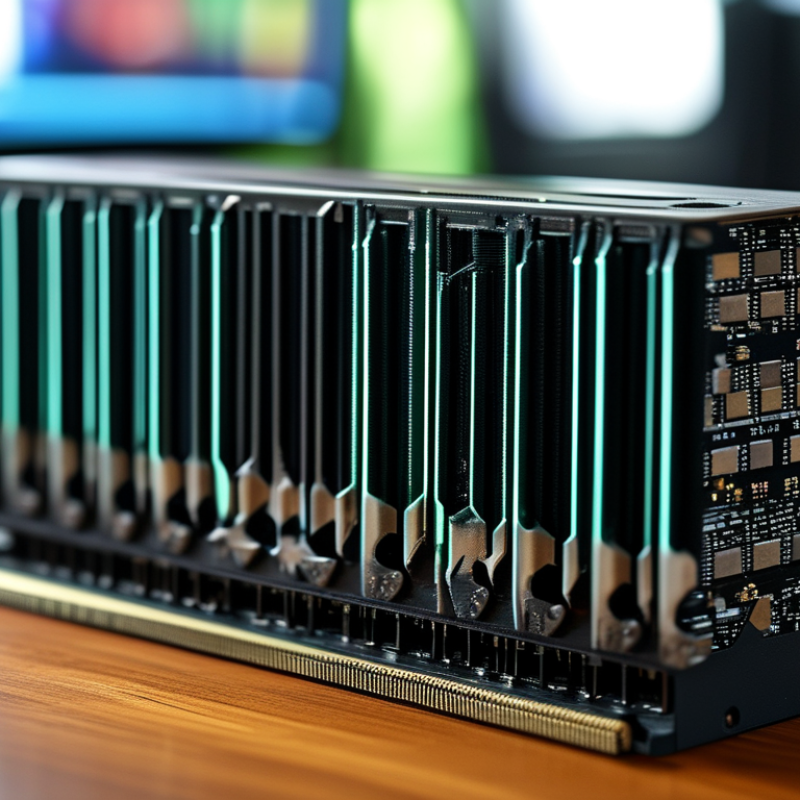
The Evolution of DDR Memory: From DDR4 to DDR5 Technology
The transition from DDR4 to DDR5 memory marks a significant leap in technology. DDR4 has been the standard for several years, offering data rates up to 3200 MT/s. In comparison, DDR5 starts at 4800 MT/s, a substantial increase in bandwidth. According to industry reports, this could lead to an overall improvement in performance by about 20-30% for high-demand applications.
The efficiency of DDR5 is also notable. It uses a new architecture that allows for better power management. The operating voltage of DDR5 is reduced from 1.2V to 1.1V. Lower power means cooler operation and reduced energy costs over time. For gamers and content creators, accessing faster speeds can drastically enhance multitasking capabilities, leading to smoother experiences.
However, the shift isn't without challenges. Compatibility issues arise since DDR5 is not backward compatible with DDR4. Early adopters may face a learning curve as they explore the new features. Understanding the improvements and adapting their systems can be daunting, but the potential benefits are hard to ignore.
Key Performance Improvements in DDR5 Compared to Previous Generations
DDR5 memory introduces significant enhancements over its predecessors. One of the standout features is its increased bandwidth. DDR5 offers a peak bandwidth of up to 6400 MT/s, which is a 50% improvement compared to DDR4's maximum of 3200 MT/s. This increase allows for faster data transfer rates, making it ideal for high-performance tasks, such as gaming, video editing, and data analysis.
Moreover, DDR5's efficiency is notable. It operates at a lower voltage of 1.1V compared to DDR4's 1.2V, which results in reduced power consumption. Reports indicate that this translates into significant energy savings, especially for laptops and mobile devices. The improved latency timings, while they still require longer access times compared to previous generations, help balance out the performance gains in many applications.
Another area where DDR5 shines is memory density. It supports up to 64GB per module, doubling the capacity of DDR4. This advancement is crucial for memory-intensive applications. However, some users may need to upgrade their motherboards to fully utilize these benefits, potentially incurring additional costs. While DDR5 shows promise, its widespread adoption still faces challenges in comprehensive compatibility and market readiness.
Bandwidth and Latency Enhancements: Metrics of DDR5 Performance Gains
DDR5 RAM stands out with significant advancements in both bandwidth and latency. Bandwidth refers to data transfer rates. DDR5 effectively doubles the bandwidth compared to its predecessor. This means your system can handle more data at once. High bandwidth improves performance in gaming and data-intensive applications. For streamers and content creators, this is crucial. Real-time rendering and multitasking become smoother and more efficient.
Latency is another critical factor. DDR5 has lower latency compared to earlier versions. This reduction leads to quicker data retrieval. Enhanced latency means faster response times. Gamers will notice less input delay. Multimedia projects will require fewer adjustments for delays. A perfect balance of bandwidth and latency enhances system responsiveness.
However, it’s not all perfect. Not all applications will benefit equally. Some programs may not utilize these advancements fully. This leads to reflections on whether the upgrade is worth it. Users should assess their specific needs before rushing into a purchase. Understanding how DDR5 can fit your workflow is essential.
Real-world Applications: Impact of DDR5 on Gaming and Content Creation
DDR5 memory brings significant enhancements to gaming and content creation. It offers higher bandwidth and lower latency, crucial for demanding applications. According to industry reports, DDR5 can provide up to 4800 MT/s, nearly double the maximum speed of DDR4. This increase in speed translates directly into improved performance, especially in multitasking scenarios.
In gaming, the faster data transfer rates from DDR5 allow for smoother frame rates and quicker load times. Gamers using DDR5 can experience enhanced visual fidelity and responsiveness. For content creators, the benefits are equally prominent. When rendering high-resolution videos or working with complex 3D models, the increased memory bandwidth reduces bottlenecks and enhances workflow efficiency. Reports suggest that content creation tasks can be completed up to 20% faster with DDR5 compared to previous generations.
Despite these advances, transitioning to DDR5 has its challenges. Not all motherboards support DDR5, limiting upgrade paths. Additionally, while performance gains are evident, real-world usage may not always align perfectly with benchmarks. Users should be mindful of their specific needs before making a switch. Higher performance doesn't guarantee immediate improvements for everyone. Thus, careful consideration is crucial when investing in new technology.
How DDR5 Enhances Performance for Your Next Purchase? - Real-world Applications: Impact of DDR5 on Gaming and Content Creation
| Application |
DDR4 Performance (GB/s) |
DDR5 Performance (GB/s) |
Performance Improvement (%) |
Real-world Example |
| Gaming FPS in AAA Titles |
60 |
80 |
33.33% |
Cyberpunk 2077 |
| Video Rendering in 4K |
50 |
70 |
40% |
Adobe Premiere Pro |
| Game Load Times |
35 seconds |
25 seconds |
28.57% |
The Witcher 3 |
| 3D Modeling Performance |
30 sec render |
20 sec render |
50% |
Blender |
| Streaming Quality at Max Settings |
1080p |
1440p |
31.25% |
Twitch Streaming |
Future Trends: DDR5's Role in Next-Gen Computing Systems and Beyond
As computing systems evolve, DDR5 memory is becoming increasingly vital. Recent studies show that DDR5 can deliver double the data rate of its predecessor, DDR4. It achieves peak speeds of 8400 MT/s, significantly enhancing data transfer efficiency. This speed means that applications demanding high bandwidth, such as gaming and video editing, benefit greatly from DDR5.
Looking towards the future, DDR5 will play a crucial role in next-gen computing. Industry analysts predict that the adoption rate of DDR5 will reach over 40% by 2025. This transition could reshape how data centers operate, reducing latency and increasing throughput. However, the pace of adoption may vary. Concerns about compatibility and cost may hinder some users.
Moreover, DDR5’s capability for channel efficiency can lead to a shift in power consumption. It can potentially lower energy costs in large-scale operations. Yet, this potential comes with challenges. As systems integrate DDR5, ensuring stability and reliability will be imperative. The evolution of memory technology is a complex journey. Balancing performance gains with practical deployment remains a key focus for the industry.
FAQS
: DDR5 starts at 4800 MT/s, while DDR4 peaks at 3200 MT/s, offering faster performance.
Users may see a 20-30% improvement in performance for demanding applications.
DDR5 operates at 1.1V, while DDR4 operates at 1.2V, which saves energy and keeps devices cooler.
Faster speeds in DDR5 enhance multitasking, providing a smoother experience during resource-heavy tasks.
Yes, DDR5 is not compatible with DDR4. This can pose challenges for users upgrading their systems.
DDR5 supports up to 64GB per module, doubling the maximum of DDR4.
DDR5's lower voltage reduces power consumption, leading to significant energy savings, especially in portable devices.
Yes, some users may need to upgrade motherboards, which could incur additional costs.
While the density is higher, compatibility and market readiness for DDR5 may slow widespread adoption.
DDR5 has longer latency access times compared to earlier generations, which may offset some performance benefits.
Conclusion
The transition from DDR4 to DDR5 technology marks a significant evolution in DDR memory, fundamentally enhancing performance across various computing tasks. How DDR5 improves performance lies in its remarkable key upgrades, which include increased bandwidth and reduced latency. These advancements allow for faster data transfer rates and more efficient processing, making DDR5 particularly beneficial for demanding applications like gaming and content creation.
In real-world scenarios, users experience substantial boosts in system responsiveness and overall efficiency, thanks to DDR5's superior specifications. As computing systems continue to evolve, DDR5 is set to play a critical role in shaping the future of technology, accommodating the higher demands of next-generation applications and maintaining competitive advantages in performance.
 VoltDRAM
