DDR5 Latency Compared to DDR4 What Should Buyers Know?

Time:2026-06-22 Author:Oliver
0%

As technology evolves, buyers face the critical choice between DDR4 and DDR5 RAM. Understanding DDR5 latency vs DDR4 is essential in making an informed decision. DDR5 memory promises higher speed and increased performance. However, it also comes with considerations regarding latency.

DDR5 latency generally appears higher than DDR4. This may lead potential buyers to question whether the speed benefits offset the increased latency. Real-world performance can vary based on usage scenarios. For gamers or video editors, low latency can be crucial. For casual users, the differences may not be as notable.

It’s vital to look beyond numbers. Actual user experience and application requirements should guide your choice. Balancing performance needs with budget constraints is also essential. Buyers often grapple with these factors, reflecting the importance of informed decision-making in tech purchases.
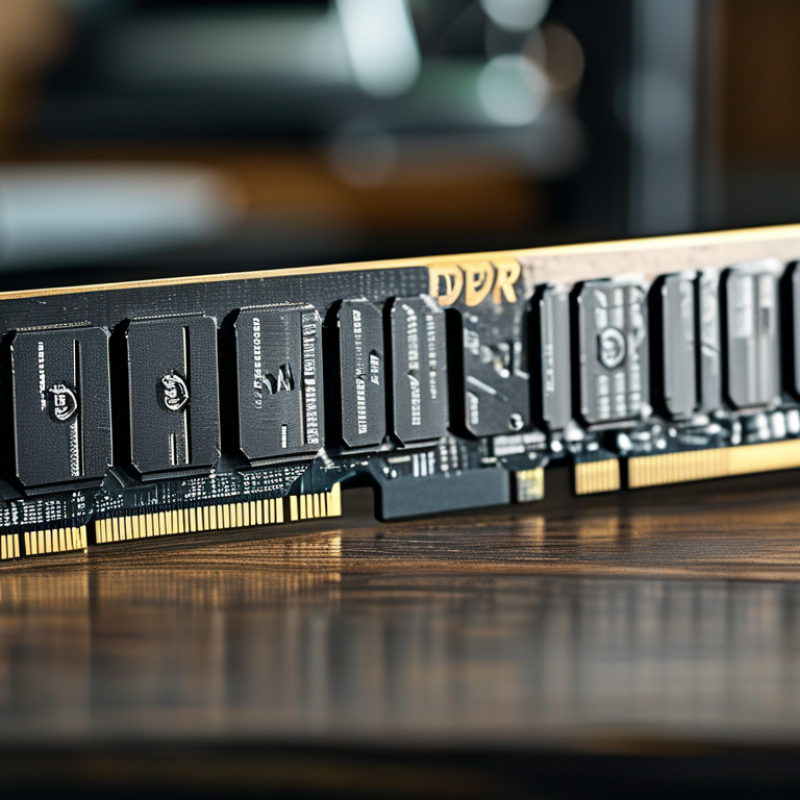
DDR5 Latency Compared to DDR4 What Should Buyers Know?

Overview of DDR4 and DDR5 Specifications

DDR4 and DDR5 represent significant advancements in memory technology. DDR4 typically operates at speeds ranging from 2133 to 3200 MT/s, while DDR5 starts from 4800 MT/s and can exceed 8400 MT/s. This speed increase allows for better performance, particularly in data-heavy applications. However, many users may overlook the implications of latency in this upgrade.

Latency, the time it takes to access data, is also a key factor. DDR4 generally has a CAS latency between 15-19, while DDR5 might range from 30 to higher. This higher number can be perplexing, as it seems counterintuitive with faster speeds. The increased bandwidth of DDR5 compensates for the higher latency, but it’s a point worth considering. Users may need to balance speed versus latency based on their specific use cases.

For gamers or creators, higher speeds can translate to improved performance. Yet, if many applications can’t utilize this potential, the upgrade may not yield noticeable benefits. Those seeking to invest in DDR5 must weigh their actual needs against specifications. Educating oneself on these aspects is crucial for making informed decisions. Data-driven choices often lead to the best outcomes in performance.

Key Differences in Latency Between DDR4 and DDR5

When comparing DDR4 and DDR5, latency is a key factor. DDR5 aims to reduce latency while increasing bandwidth. Users often focus on clock speeds, but latency plays a significant role in overall performance.

The latency for DDR4 typically ranges from 15 to 19 nanoseconds. In contrast, DDR5 introduces lower latencies despite higher bandwidth. Early benchmarks suggest that DDR5 may offer latency improvements of about 10-15%. However, the real-world difference is subtle. Users might not notice significant changes in typical applications.

Understanding these differences is essential for potential buyers. DDR5 offers advanced features, but at a higher cost. Focusing solely on speed ignores the latency aspect. It’s vital to assess how memory latency impacts specific workloads. For gamers or heavy multitaskers, this could mean a smoother experience. Balancing between advanced specs and practical needs remains a challenge. Buyers should weigh their options carefully.

Impact of Latency on Performance in Real-World Applications

When considering the move from DDR4 to DDR5 memory, latency becomes a crucial factor. DDR5 offers improved bandwidth, but its latency may affect performance in practical applications. For most users, the slight increase in latency compared to DDR4 does not significantly impact everyday tasks. Activities like web browsing and document editing may not feel different. However, gamers and content creators might notice disparities.

In gaming, the difference in latency can influence frame rates and responsiveness. While DDR5 claims higher speeds, latency can still hinder performance in competitive scenarios. Graphics-intensive applications might also reveal these differences. Users often question whether the upgrade justifies the cost when latency plays a role. Understanding these nuances can help buyers make informed decisions.

Real-world performance relies on a balance of latency and bandwidth. Although DDR5 improves overall speed, latency may introduce unexpected bottlenecks, especially in demanding situations. Buyers should evaluate their specific needs. For many, DDR4 may still suffice. Buyers must reflect on their own usage scenarios to ensure they choose wisely. This thought process is crucial for making an effective upgrade decision.

Considerations for Upgrading from DDR4 to DDR5

Upgrading from DDR4 to DDR5 can significantly impact your system's performance. However, there are important factors to consider before making the jump. DDR5 offers higher bandwidth and improved efficiency. Yet, the latency can be a drawback compared to DDR4. Buyers should weigh these aspects carefully.

When contemplating the upgrade, check your motherboard compatibility. Not all boards support DDR5 yet. Your CPU must also be compatible. Take the time to ensure that your current setup can effectively utilize DDR5 technology. This can prevent potential frustrations down the line.

Tips: Always look for reviews and benchmarks that provide real-world performance comparisons. These insights can guide your decision better than specifications alone. Additionally, consider your computing needs. If you do casual gaming or regular tasks, DDR4 may still serve you well. Assess your usage to determine if the upgrade is worth it.

Recommendations for Buyers Based on Use Cases

When considering the shift from DDR4 to DDR5, buyers should assess their specific needs and use cases. DDR5 offers significant improvements in speed and bandwidth, but latency is a key factor that can’t be overlooked. According to a recent industry report, DDR5's latency is typically higher, averaging around 40 ns compared to DDR4's 30 ns. This may not seem substantial, but for time-sensitive applications like gaming or live streaming, these milliseconds can impact performance.

For high-performance computing or data-intensive tasks, DDR5 provides excellent speed advantages that may outweigh latency concerns. Those focused on casual productivity or general use may find DDR4 sufficient. Understanding the balance between speed and latency is crucial.

Tip: If you primarily engage in gaming or content creation, opting for DDR5 will enhance performance. For everyday tasks, consider sticking with DDR4 to save costs. Evaluate your typical workloads carefully. Also, don't overlook compatibility with your existing hardware to avoid unexpected challenges. A thoughtful approach ensures you make an informed choice.

FAQS

: What is the main difference in latency between DDR4 and DDR5?

: DDR4 has a latency range of 15 to 19 nanoseconds, while DDR5 shows improvements around 10-15%.

How does latency affect everyday tasks?

For most users, latency differences are not noticeable during web browsing or document editing.

Will gamers notice latency differences between DDR4 and DDR5?

Yes, latency can influence frame rates and responsiveness, especially in competitive gaming situations.

Is the upgrade to DDR5 worth the cost?

The benefits depend on your specific needs. Gamers and content creators may find improvements justifiable.

How does latency impact performance in high-performance computing?

For data-intensive tasks, the speed of DDR5 may outweigh latency concerns, enhancing overall performance.

Should casual users stick with DDR4?

Yes, casual users may find DDR4 sufficient for everyday tasks and save on costs.

How can I evaluate my needs when upgrading?

Reflect on your typical workloads, considering both speed and latency to ensure the right choice.

What compatibility issues should I consider?

Ensuring your new memory matches your existing hardware is crucial to avoid unexpected challenges.

Are there any potential bottlenecks with DDR5?

Yes, despite better speeds, latency may introduce bottlenecks in demanding scenarios.

Does higher speed always mean better performance?

Not necessarily. Balancing speed and latency is key for optimal performance based on your tasks.

Conclusion

The article titled "DDR5 Latency Compared to DDR4 What Should Buyers Know?" provides a comprehensive overview of the key specifications of DDR4 and DDR5 memory. It highlights the significant differences in latency between DDR4 and DDR5, noting that while DDR5 offers higher bandwidth and improved overall performance, its latency may not be as vastly different as one might expect.

The piece further explores how this latency impacts real-world application performance, explaining that for some users, particularly in gaming or high-performance computing scenarios, the difference might be negligible. It also discusses considerations for those thinking about upgrading from DDR4 to DDR5, advising buyers to assess their specific use cases before making a transition. The conclusion emphasizes the importance of understanding DDR5 latency vs DDR4 to make informed purchasing decisions based on individual needs and performance requirements.

Oliver

Oliver

Oliver is a seasoned marketing professional with a wealth of expertise in driving brand awareness and engagement. With a deep understanding of our company's product offerings, he consistently delivers high-quality content that enriches our professional blog. His insights not only shed light on......