VoltDRAM
Unlocking the potential of DDR5 memory can dramatically enhance your gaming and productivity experience. This DDR5 overclocking guide reveals essential techniques for improving performance. Overclocking can push your RAM to new heights, yet it requires a careful approach.
Many users dive into overclocking without understanding the risks. It's important to study voltage settings, timings, and cooling solutions. Finding the perfect balance can lead to impressive results, but mistakes can also lead to system instability. Each motherboard and memory kit might behave differently, so results can vary.
This guide shares practical tips and personal experiences from seasoned overclockers. They highlight the importance of testing and monitoring your system. Expect challenges along the way; flexibility is key. Overclocking is both an art and a science, and learning from missteps can lead to a more rewarding experience.
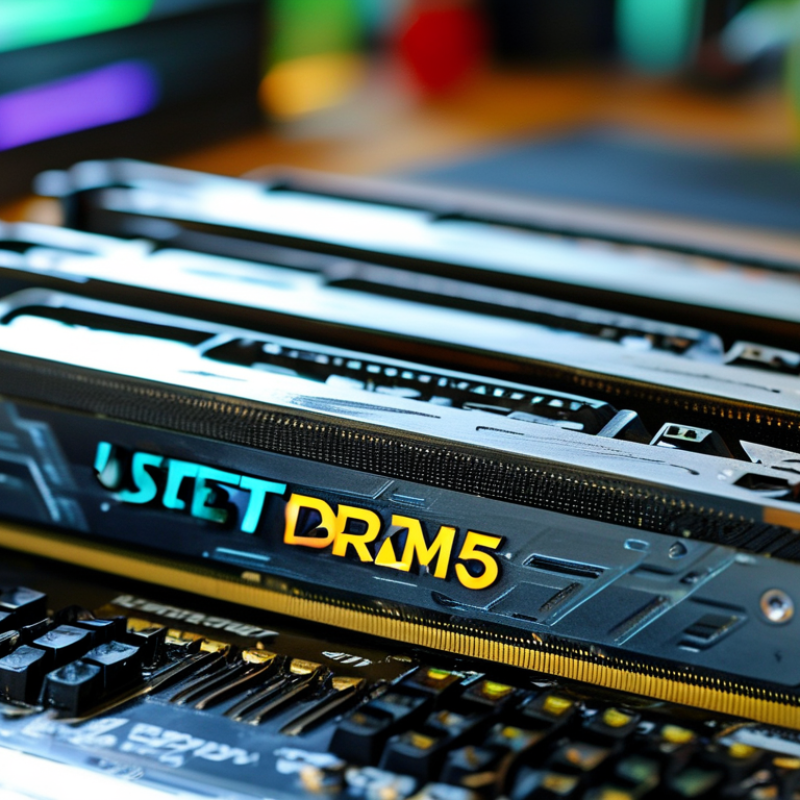
Understanding DDR5 memory technology is vital for optimizing system performance. DDR5 represents a significant upgrade over its predecessor. It offers higher bandwidth and improved efficiency. This enables faster data transfer rates, which benefits gaming and content creation.
Many users overlook the importance of memory speed. With DDR5, you can achieve speeds above 6000 MT/s. This increased speed translates to smoother multitasking and enhanced responsiveness in demanding applications. However, many systems do not fully utilize DDR5's capabilities. Users often fail to configure the BIOS settings correctly.
While DDR5 is impressive, there are challenges. Overclocking it can lead to instability if not done cautiously. Finding the right balance between performance and reliability is crucial. Users may experience crashes if they push the limits too far without proper cooling. Therefore, understanding the technology and its nuances is essential for achieving optimal performance and stability.
Overclocking DDR5 memory can significantly enhance gaming and overall system performance. However, certain key factors can influence how well this process goes. One major aspect is the quality of the motherboard. A reliable motherboard with solid power delivery systems can provide more stability during high-frequency operations. If the motherboard lacks this capability, users may not reach their desired performance levels. It's crucial to do your research and select a motherboard designed for overclocking.
Another vital factor is cooling. DDR5 modules typically generate more heat, especially at higher speeds. Adequate cooling solutions like heatsinks or fans can help maintain optimal temperatures. When heat builds up, it can lead to instability and crashes. Many users overlook the importance of heat management. Without proper cooling, even the best overclocking plans can fail. It's important to monitor temperatures constantly and adjust accordingly.
Finally, understanding the timings and voltages is essential. Tweaking these settings allows for more control over performance. However, incorrect adjustments can lead to system failures. Users should experiment carefully, documenting changes and effects to find the best settings. The process can be tedious, but it’s part of the learning curve in mastering DDR5 overclocking. Each adjustment can lead to improved performance or unexpected challenges.
Overclocking DDR5 memory can unlock significant performance improvements. To ensure a safe experience, start by understanding your motherboard’s BIOS features. Familiarize yourself with voltage settings, frequency limits, and timing adjustments. Use monitoring tools to keep an eye on temperatures and performance metrics.
Begin with small increments. Adjust the memory frequency by a few megahertz, then test stability. Running a stress test for a few hours ensures reliability. It is common to encounter issues, such as system crashes or instability at higher speeds. Be prepared to revert settings if things go wrong.
Consider the role of cooling. Adequate cooling systems will protect your components and sustain performance. As you increase voltages, the risk of overheating rises. Reflect on the balance between performance gains and thermal management. Remember that overclocking carries risks, but with careful adjustments, you’ll optimize your DDR5 memory effectively.
When overclocking DDR5 memory, effective monitoring tools are essential. These tools help assess stability, performance, and potential improvements. Software such as memory benchmarks can reveal the true capabilities of your RAM. Tools that monitor real-time temperatures can alert you to overheating, which can cause instability and damage.
Understanding metrics like latency, bandwidth, and throughput is crucial. Latency directly affects how quickly the CPU can communicate with memory. Bandwidth measures the data transfer rate, impacting performance in various applications. Monitoring these metrics allows for fine-tuning.
It’s important to recognize that overclocking isn’t always a linear path to better performance. Sometimes, increased clock speeds can lead to unexpected bottlenecks. You might find your system isn’t stable at certain overclocked settings despite higher numbers. Always be ready to adjust your settings and run multiple tests to find the sweet spot. Remember, every system is unique.
Overclocking DDR5 memory can significantly enhance system performance. However, it’s essential to know the common pitfalls that can derail your efforts. One frequent issue is instability. When you push your memory too far, the system may crash or fail to boot. Always test your overclock settings thoroughly. Use stress-testing software to ensure stability before considering any changes final.
Another common problem is overheating. DDR5 modules can run hot under load. Proper cooling solutions are crucial. Consider using heat spreaders or enhancing airflow in your case to keep temperatures in check. If overheating occurs, the performance gains may be negated. Monitor temperatures closely during stress tests.
Lastly, timing settings can be tricky. Many users overlook the importance of adjusting them properly. Incorrect timings can lead to reduced performance or system failure. Start with conservative time settings, then gradually adjust them while monitoring results. It’s a balancing act that can require patience and multiple attempts. Having a systematic approach is vital for a successful overclock.
: Overclocking DDR5 can enhance gaming and overall system performance.
A reliable motherboard with solid power delivery is crucial for stability during high-frequency operations.
Users may not reach desired performance levels, leading to subpar gaming experiences.
DDR5 generates more heat, especially at high speeds. Adequate cooling prevents instability and crashes.
Heatsinks or fans can help maintain optimal temperatures during operation.
Constantly monitor temperatures to ensure they remain within safe limits.
Adjusting these settings allows for better control over performance but requires careful handling.
Common issues include instability, overheating, and incorrect timing settings.
Utilize stress-testing software to ensure stability before finalizing any adjustments.
Start with conservative settings and gradually adjust while monitoring the outcomes for better results.
The "Ultimate DDR5 Overclocking Tips for Better Performance" article provides a comprehensive DDR5 overclocking guide, aimed at enhancing performance through informed techniques. It begins with an exploration of DDR5 memory technology, detailing its significance for modern computing tasks. Key factors influencing overclocking performance, such as voltage settings and timings, are discussed, ensuring readers understand the underlying mechanics.
The article also presents a step-by-step guide to safely overclocking DDR5 memory, emphasizing the importance of gradual adjustments and monitoring for stability. To aid in this process, recommended tools and metrics for performance evaluation are highlighted. Finally, common pitfalls in DDR5 overclocking are identified, along with troubleshooting strategies to overcome potential issues. This holistic approach equips readers with the knowledge necessary to effectively enhance their DDR5 memory performance while minimizing risks.
