Registered DIMM vs UDIMM Which is Better for Your Needs?

Time:2026-08-04 Author:Liam
0%

When considering memory modules, the choice often narrows down to two main types: Registered DIMM and UDIMM. Each type of memory has unique features that cater to different system needs. Registered DIMMs, for example, provide enhanced stability and capacity, making them ideal for servers and workstations. They utilize an additional register to manage data, resulting in better performance under heavy loads.

On the other hand, UDIMMs are straightforward, cost-effective, and commonly used in consumer desktops and laptops. They lack the buffering system found in Registered DIMMs, making them simpler and faster in typical tasks. However, this comes at the expense of scalability and reliability under extreme conditions.

Understanding the trade-offs of Registered DIMM vs UDIMM is crucial for making an informed decision. Remember, it isn't simply about technical specifications. Your specific needs, such as budget and application purpose, should guide your choice. The simple question remains: which one suits your requirements best? Evaluating your use case can lead to reflections on the complexity of these options.
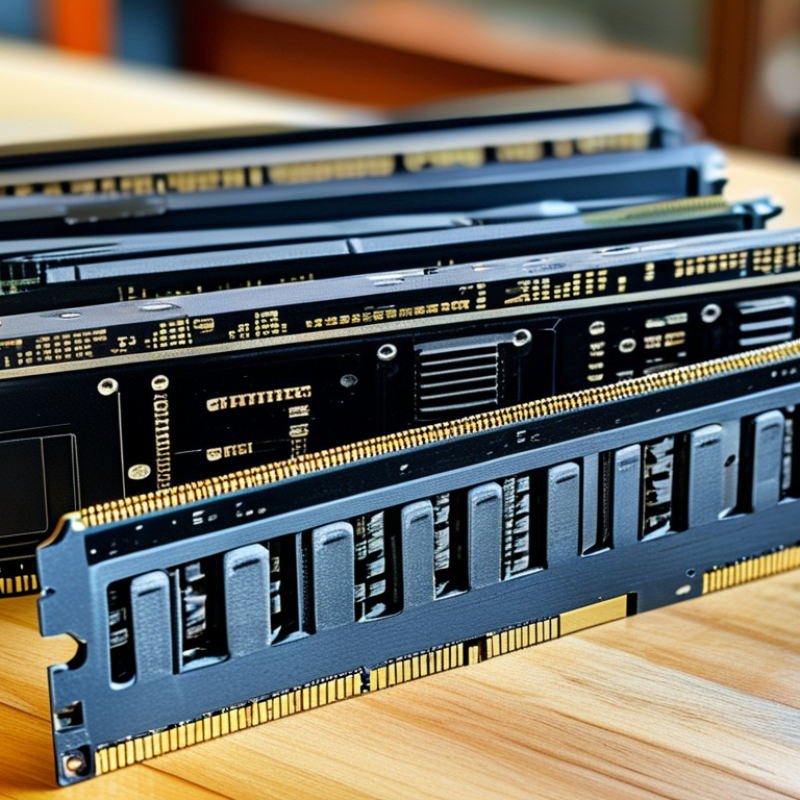
Registered DIMM vs UDIMM Which is Better for Your Needs?

Understanding Registered DIMMs and UDIMMs: A Comparative Overview

When considering memory types, Registered DIMMs (RDIMMs) and Unbuffered DIMMs (UDIMMs) stand out. RDIMMs utilize a register between the memory controller and the memory itself. This design allows for greater stability in systems that require high performance. They are more suited for servers and workstations, where multitasking and heavy data loads are common.

On the other hand, UDIMMs are simpler. They lack the register, making them less stable at high speeds. However, they are often found in consumer desktops and laptops due to their lower cost and adequate performance. If you're building a gaming rig, UDIMMs may suffice. But for a server setup, the RDIMM's stability is invaluable.

While UDIMMs can handle everyday tasks, they may falter under extreme workloads. It's important to consider your specific needs. If you bounce between demanding applications, RDIMMs will be more reliable. However, if cost is a chief concern, UDIMMs might be more feasible. Reflect on usage to determine the right choice.

Key Features of Registered DIMMs: Performance and Stability Benefits

When considering registered DIMMs, it’s crucial to focus on their key features. These memory modules are designed for optimal performance and stability. Unlike UDIMMs, registered DIMMs include a register between the memory controller and the memory chips. This allows for better signal integrity and reduces electrical load, especially in high-capacity systems. If you're running memory-intensive applications, registered DIMMs are a strong choice.

One significant benefit is their ability to improve system performance, especially in servers and professional workstations. This design can support more memory sticks without sacrificing speed. Higher memory capacities are achievable without compromising stability. Those managing large databases or virtual environments will find this functionality invaluable.

Tips: Always check compatibility with your motherboard. Not all systems can take registered DIMMs. Awareness of specific use cases is essential. It's important to weigh the costs against the potential benefits when choosing memory types. Registered DIMMs might not always be necessary for everyday tasks.

Key Features of UDIMMs: Cost and Compatibility Advantages

When considering UDIMM, you may find several advantages. These modules often come at a lower cost compared to their registered counterparts. This can make them a popular choice for budget-conscious users. UDIMMs are generally compatible with a wider range of motherboards. Simple upgrades to existing systems are thus easier.

Tips: Always check your motherboard's specifications. Not all motherboards support UDIMMs. Ensure compatibility to avoid issues during installation.

Another essential feature of UDIMMs is their flexibility. Many users appreciate the ease of installation. Configuration is straightforward, allowing users to swap them without needing additional hardware. This is beneficial for casual users seeking to enhance their devices.

Tips: Keep in mind that while UDIMMs offer many advantages, registered DIMMs may still provide better stability for high-performance systems. Always assess your personal needs first.

Use Cases: When to Choose Registered DIMMs Over UDIMMs

When it comes to choosing between Registered DIMMs and UDIMMs, understanding the unique use cases can guide your decision. Registered DIMMs are often used in high-performance servers. They offer stability for memory-heavy applications. These DIMMs reduce the electrical load on the memory controller, allowing for higher capacities and more modules. This is ideal for environments that handle large databases or extensive virtualization.

UDIMMs, on the other hand, are typically found in consumer-grade devices. They are favored for their lower cost and ease of use. If your requirements lean toward budget solutions, UDIMMs could fit your needs well. They are compatible with a broader range of motherboards, making upgrades easier. However, they might struggle under intensive multitasking when compared to their registered counterparts.

Choosing the right DIMM depends on your specific applications. For instance, gaming or casual use benefits from UDIMMs. Both types have merits that cater to different user requirements. Assessing your system's demands can help clarify which option aligns with your goals. Remember, the performance characteristics could influence your long-term satisfaction with the memory you select.

Registered DIMM vs UDIMM Comparison

Factors to Consider: Capacity, Speed, and Intended Application

When choosing between Registered DIMM (RDIMM) and Unbuffered DIMM (UDIMM), understanding your specific needs is crucial. Key factors include capacity, speed, and the intended application of the memory modules. RDIMMs are designed for server environments with high-capacity needs. Reports indicate that RDIMMs can support larger memory configurations, sometimes exceeding 256GB per module. This makes them ideal for applications requiring significant data processing, such as virtualization and intensive database operations.

In contrast, UDIMMs are common in standard desktop PCs and workstations. Their lower cost and reduced latency make them suitable for everyday tasks and gaming. For instance, a gaming setup might benefit from UDIMMs with higher clock speeds, generally found in the 2400-3200 MHz range. Speed is essential to performance, particularly for applications demanding quick data access.

Tip: Always assess your system's motherboard compatibility before purchasing memory modules. Even compatibility issues between RDIMM and UDIMM can arise in specific systems.

Additionally, consider future scalability. If you anticipate growth in your computing needs, RDIMMs might offer the better long-term investment. Remember, each system has unique requirements, and the right choice hinges on balanced needs for speed and capacity.

Registered DIMM vs UDIMM: Which is Better for Your Needs?

Feature Registered DIMM (R-DIMM) Unbuffered DIMM (UDIMM)
Capacity Up to 128GB per module Up to 32GB per module
Speed 2133 MHz to 3200 MHz 1600 MHz to 3200 MHz
Latency Higher latency Lower latency
Stability More stable for servers Less stable under heavy load
Price Generally more expensive More affordable
Use Case Enterprise servers and workstations Consumer desktops and laptops

FAQS

: What are the advantages of using UDIMMs?

: UDIMMs are often more affordable and compatible with various motherboards. They suit budget-conscious users.

How important is motherboard compatibility when choosing UDIMMs?

It's crucial. Not all motherboards support UDIMMs. Check specifications to avoid installation problems.

Are UDIMMs easy to install?

Yes, UDIMMs have straightforward installation processes. Users can swap them easily without extra hardware.

How do RDIMMs differ from UDIMMs?

RDIMMs support higher capacities and are ideal for server environments. UDIMMs are more suitable for desktop use.

What performance benefits do higher clock speeds in UDIMMs offer?

Higher clock speeds improve performance for gaming and everyday tasks. They typically range from 2400 to 3200 MHz.

Should I consider future scalability when choosing memory modules?

Yes, consider long-term needs. RDIMMs may be a better investment for anticipated growth in computing demands.

Are there situations where registered DIMMs are better?

Yes, registered DIMMs can offer improved stability for high-performance systems, particularly in demanding applications.

Can compatibility issues arise between RDIMMs and UDIMMs?

Yes, some systems have compatibility issues between the two. Always check your system’s requirements before purchasing.

Conclusion

In the article "Registered DIMM vs UDIMM: Which is Better for Your Needs?", the focus is on comparing two types of memory modules: Registered DIMMs (RDIMMs) and Unbuffered DIMMs (UDIMMs). Registered DIMMs are lauded for their enhanced performance and stability, making them ideal for enterprise applications that require high reliability and efficiency. In contrast, UDIMMs offer significant cost benefits and greater compatibility, which can make them more suitable for consumer-level systems and budget-oriented builds.

The article outlines key considerations for choosing between Registered DIMMs and UDIMMs, such as capacity, speed, and the intended application. It emphasizes that understanding the specific requirements of your system is crucial. For instance, while Registered DIMMs are better for high-capacity and multi-processor configurations, UDIMMs might be the preferred option for standard desktop setups and less demanding tasks. Ultimately, the decision between Registered DIMM vs UDIMM hinges on balancing performance needs with budget constraints.

Liam

Liam

Liam is a dedicated marketing professional with a profound expertise in the industry, where he excels at highlighting the unique advantages of our core products. With a keen understanding of market trends and consumer needs, Liam frequently updates our company’s professional blog, providing......