VoltDRAM
VoltDRAM
VoltDRAM
Direct factory integration matching server architectures, computing platforms, and modular subsystems.
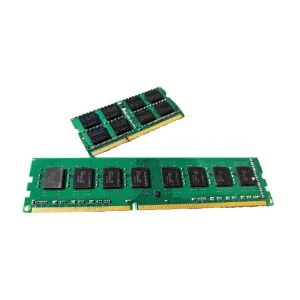
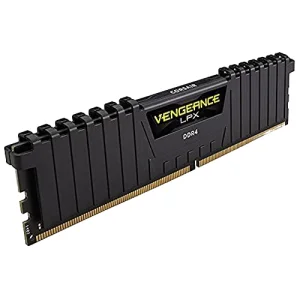
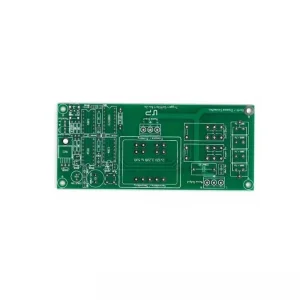
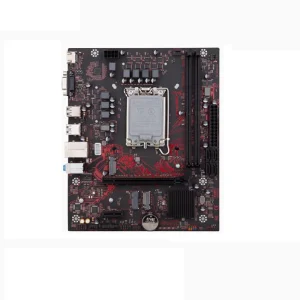
The global semiconductor environment is witnessing an unprecedented evolution in volatile memory architectures, accelerated by massive transitions to machine learning modeling, enterprise cloud computing, and real-time big data processing. Desktop DDR RAM, specifically in its high-speed variations, functions as the ultimate data conduit between high-performance processing cores and non-volatile storage fabrics. Industry demands have shifted dramatically beyond standard performance benchmarks, targeting multi-channel signal routing optimization, lower operating voltages, and robust thermal tolerance.
As global computational workloads transition towards edge nodes and regional container centers, China has consolidated its status as a core engine for memory manufacturing and PCB fabrication. The integration of domestic IC fabrication lines with premium design capabilities allows manufacturers to produce memories displaying tight mechanical tolerances and optimal electrical stability. From standard desktop applications to specialized hardware setups, industrial buyers look for components that balance procurement budgets with high operational reliability.
The architectural landscape of desktop memory continues to evolve rapidly. System integrators and original equipment manufacturers (OEMs) must navigate various key parameters when transitioning between DDR generations. Below is a structural analysis of memory development parameters:
DDR3 modules functioned at 1.5V, DDR4 dropped standard consumption to 1.2V, while DDR5 achieves 1.1V. Reducing operational voltage is critical for lowering systemic heat dissipation in high-density workstation arrays. The placement of the PMIC directly on the DDR5 module enables clean power routing and limits dependency on motherboard step-down circuits.
DDR4 structures use a single 64-bit wide data bus. Conversely, DDR5 splits the interface into two independent 32-bit subchannels (excluding ECC overhead). This dual-channel architecture optimizes memory access efficiency, reducing command latencies while increasing execution bandwidth across multi-threaded applications.
With shrinking memory cell dimensions comes a higher vulnerability to single-bit errors. DDR5 addresses this by integrating on-die ECC directly onto the silicon wafer, correcting single-bit read/write variations autonomously within the chip. Side-band ECC remains standard for heavy enterprise tasks, adding an extra layer of protection.
VoltDRAM Semiconductor Co., Ltd. stands as a professional DDR5 memory manufacturer specializing in high-performance DRAM solutions for servers, PCs, and data center applications. Operating in the modern semiconductor sector, the enterprise was registered between 2015–2018 and has rapidly developed into a reliable global supplier in the memory industry.
With a manufacturing footprint of approximately 320–480㎡, our facility integrates advanced assembly lines, surface-mount technology (SMT), and testing rigs. Our global distribution channels generate an annual export revenue of around USD 8–18 million. Backed by 6–9 years of export experience and 8–15 years of industry expertise in semiconductor memory development and manufacturing, VoltDRAM provides robust, long-term supply solutions.
VoltDRAM implements structured, ISO-based quality management systems. We rely on automated optical inspection (AOI), electrical performance testing, burn-in testing, and reliability stress testing to maintain tight QC boundaries. Our dedicated quality control team consists of 35–80 experienced inspectors, verifying that all output meets strict reliability standards.
Serving markets across North America, Europe, Southeast Asia, and the Middle East, VoltDRAM supports over 600–1,500 supply chain partners. Our clients include OEM/ODM brands, system integrators, data center operators, and industrial computer manufacturers.
Our design and engineering department focuses on high-speed DDR5 architecture optimization, signal integrity improvement, and power-efficient configurations. We offer customization options, including PCB layout modification, capacity allocation, frequency adjustment, and branding support. Annually, we introduce 120–450 new product variants, developed by a specialized R&D team containing 60–300 engineers.
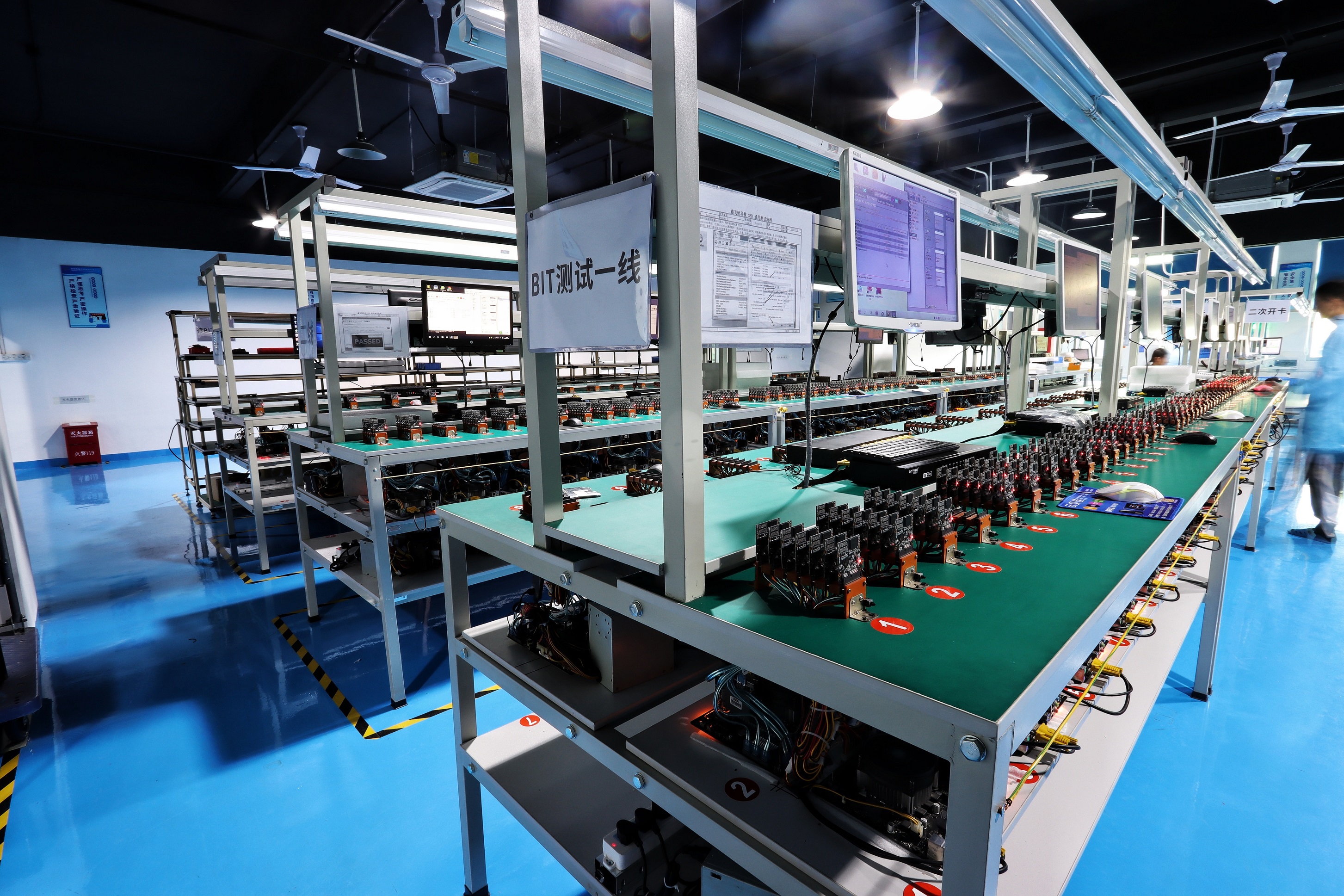
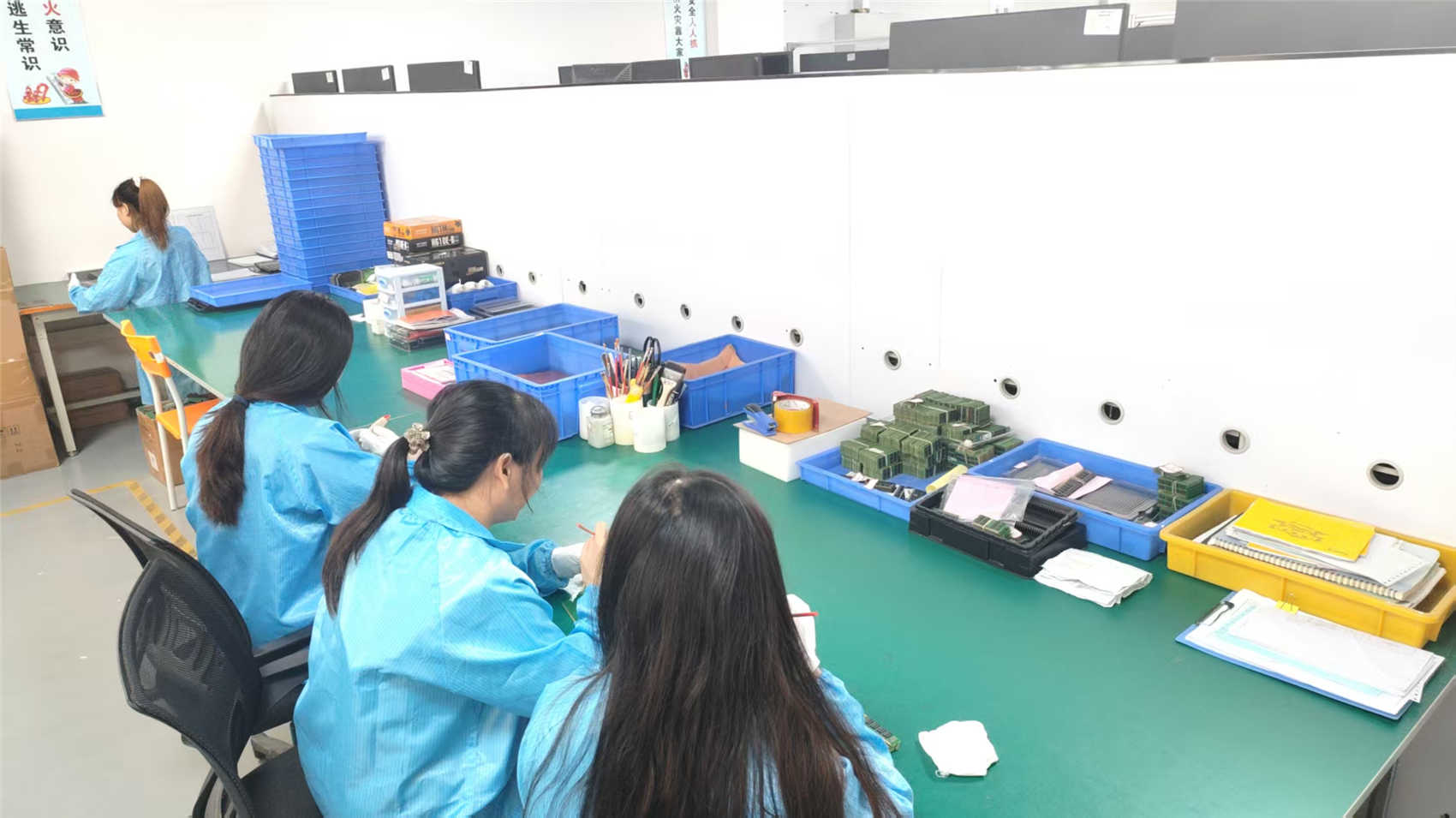
Maintaining data integrity in mission-critical hardware requires systematic testing. VoltDRAM operates a strict QA protocol on all production runs:
High-resolution scanners verify component placement, alignment accuracy, and solder joint integrity immediately post-reflow, detecting microscopic surface faults before physical assembly steps.
Every module is tested under real-world operating frequencies and voltage variations. This ensures stable performance across standard DDR4 frequencies (2133MHz to 3200MHz) and next-gen DDR5 speeds.
Thermal chambers test the modules under high operating temperatures, accelerating potential chip wear-out mechanisms to identify and filter out weak components before final packaging.
VoltDRAM tests modules using random signal patterns, rapid thermal cycling, and voltage variation simulations to verify signal integrity and long-term durability in enterprise configurations.
Operating frequencies and latency profiles must align with the specific demands of their target deployments. VoltDRAM develops customized memory modules optimized for distinct computational applications:
Industrial environments often present wide temperature ranges, electrical noise, and airborne contaminants. VoltDRAM's industrial-grade modules utilize enhanced thermal dissipation shields, anti-sulfuration resistors, and optimized layer PCBs. This ensures consistent data processing in remote terminal units and factory automation control systems.
High virtual machine density requires large memory footprints with low failure rates. Our high-capacity DDR4 ECC modules and high-speed DDR5 modules help prevent bit flips, supporting stable uptime in cloud environments, enterprise database storage, and virtualization host configurations.
For PC brands and system builders requiring unique specifications, VoltDRAM provides tailored design services. From modified PCB dimensions to specialized SPD profiles, we deliver high-performance hardware configurations that integrate cleanly with custom chassis layouts and targeted thermal configurations.
Answers to key technical, supply, and integration queries from system architects and purchasing managers.
No. The pinning architecture, operating voltage configurations (1.2V vs 1.1V), pin counts, and electrical trace paths differ fundamentally between DDR4 and DDR5. A DDR5 module will not physical fit into a DDR4 slot, and motherboards are designed to support only one generation of memory.
In older DDR4 setups, the motherboard handles the voltage step-down and regulation. DDR5 moves this controller directly onto the memory module via a PMIC. This provides closer power regulation, reduces electromagnetic interference, and simplifies motherboard trace design, resulting in cleaner power delivery.
On-die ECC runs internally on the DRAM chip, protecting against single-bit errors within the cell array before data is sent out. Side-band ECC utilizes additional memory chips on the PCB to protect data during transmission to the CPU. For critical enterprise storage, combining both provides the highest level of error correction.
VoltDRAM offers customizable PCB trace designs, custom heat spreaders, custom IC branding, SPD configuration tuning, and variable memory capacities. This allows our design team to tailor configurations to meet specific requirements for industrial setups or specialized computing products.
Our QC process utilizes Automated Optical Inspection (AOI), high-speed electrical verification, environmental burn-in testing, and structural reliability stress tests. Our quality control team includes 35–80 inspectors who verify that all components align with international ISO standards before shipment.
Lead times depend on the specific customization and volume requirements, typically ranging from 2 to 4 weeks. With an established network of 600–1,500 supply chain partners, VoltDRAM provides consistent production scalability and stable supply schedules for our international distribution channels.
Discover our full range of thermal solutions, memory modules, and processing platforms designed for industrial workloads.