China Best Electronic Assembly Services Suppliers & Exporters

Strategic Semiconductor Packaging, Advanced SMT Assembly, and Next-Generation Thermal Management Solutions for Global High-Performance Computing

1. The Global Landscape of Electronic Assembly Services (EMS)

The contemporary electronics ecosystem demands unprecedented integration, thermal optimization, and signal integrity. As global economies undergo a massive shift toward high-performance computing (HPC), artificial intelligence (AI), and edge compute deployments, the requirements for Electronic Assembly Services (EMS) have evolved from simple pick-and-place component placement to highly complex, multi-layered advanced integration. Today's global supply chain relies on localized, highly efficient clusters capable of managing rapid prototyping, extensive testing, and high-yield volume production.

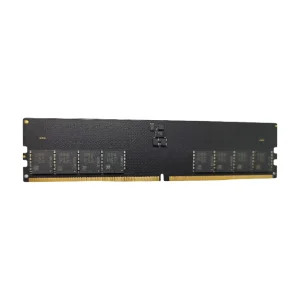
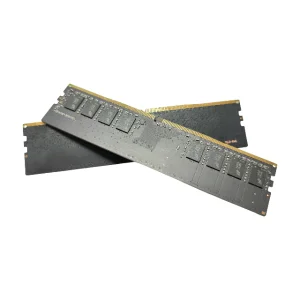
China has long stood as the epicenter of this global infrastructure, transitioning from a low-cost assembly hub to an epicenter of premium, high-reliability engineering. Modern suppliers are no longer just passive manufacturers; they act as co-design partners offering DFM (Design for Manufacturing), advanced thermal modeling, high-frequency signal simulation, and end-to-end quality validation. Crucially, the assembly of state-of-the-art memory systems, such as DDR5 RAM modules with on-die ECC (Error Correction Code) and onboard PMICs (Power Management Integrated Circuits), represents the pinnacle of this technological transition.

Advanced SMT Integration

High-density placement of passive devices down to 01005 footprints, minimizing crosstalk and maximizing space utilization on multi-layer PCBs.

Thermal Management

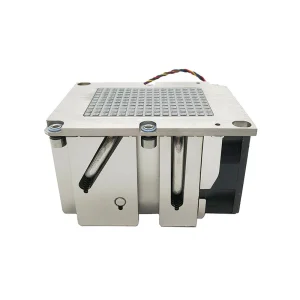
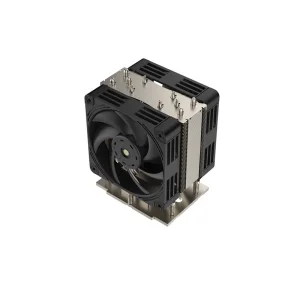
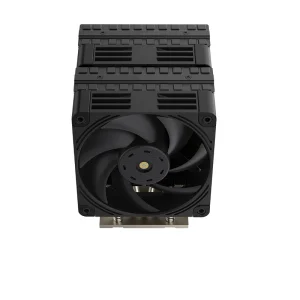
Integration of heat sinks with high power dissipation capacity (300W+ TDP) matching CPU thermal envelopes for server racks.

Signal Integrity Optimization

Strict trace length matching, impedance controls, and simulation models to support high-speed buses like PCIe Gen 5 and DDR5.

2. VoltDRAM Semiconductor: Engineering Authority & Capacity

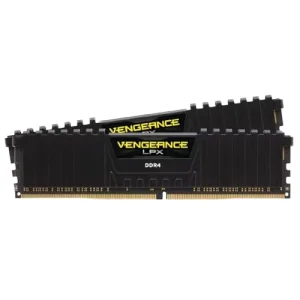
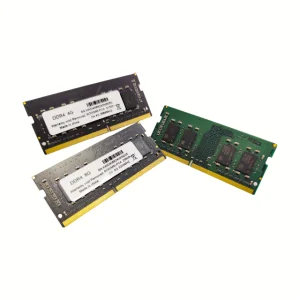
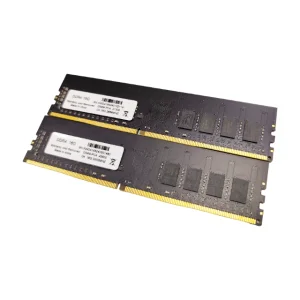
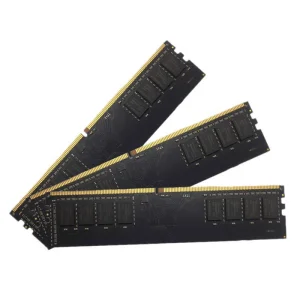
Positioned at the forefront of this industrial revolution, VoltDRAM Semiconductor Co., Ltd. stands as a professional DDR5 memory manufacturer specializing in high-performance DRAM solutions for servers, enterprise PCs, and modern data center applications. Established and registered in the window of 2015–2018, the company has rapidly scaled into a reliable global supplier, addressing the needs of Tier-1 system integrators and hyperscalers worldwide.

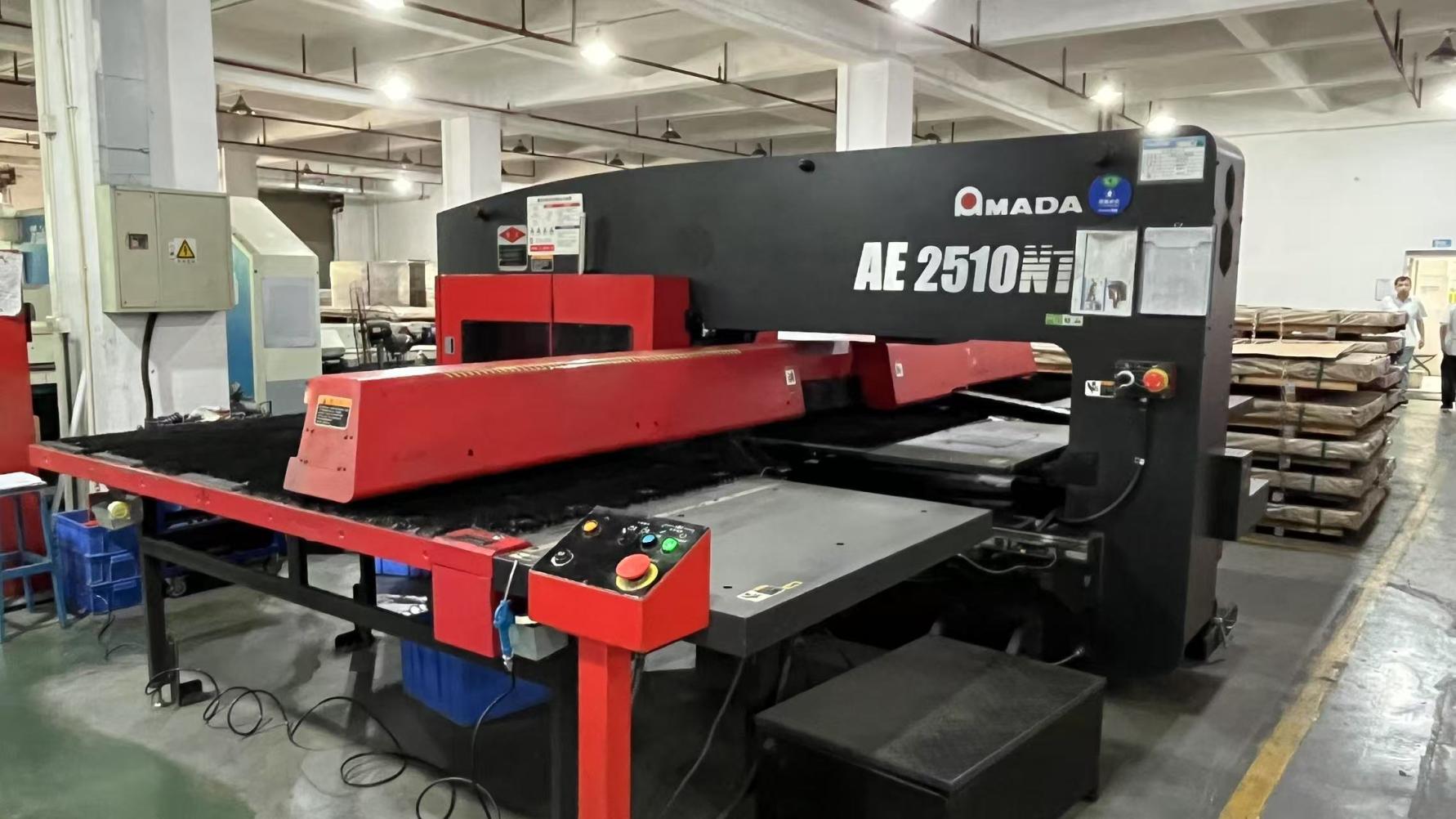
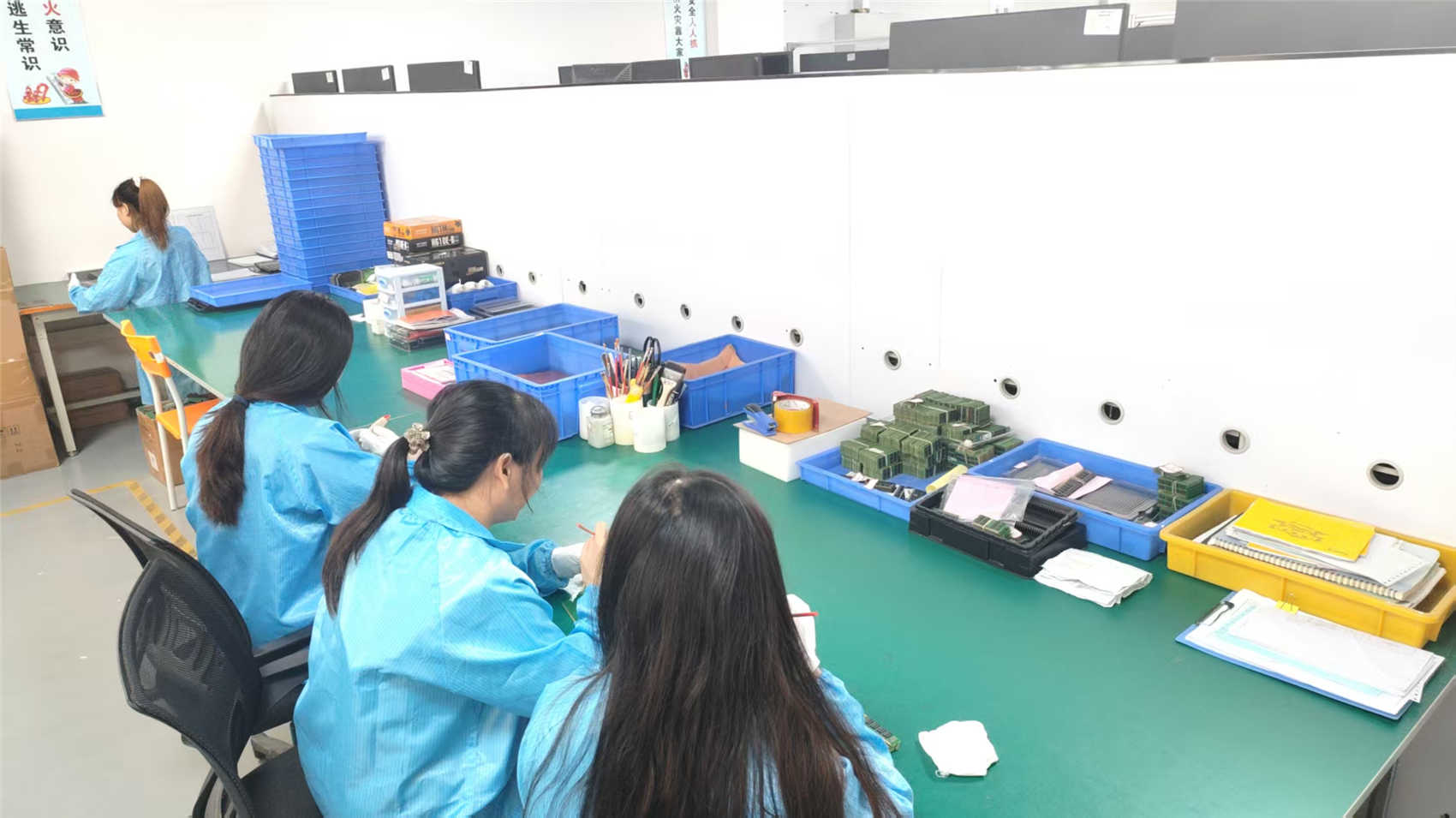
VoltDRAM's specialized manufacturing facility covers a footprint of approximately 320–480㎡, which is meticulously optimized for cleanroom operations, temperature-humidity controls, and static-dissipative environments. This dedicated facility generates an annual export revenue of USD 8–18 million, backed by 6–9 years of pure export experience and a team possessing 8–15 years of industry expertise in semiconductor memory development and board-level micro-assemblies.

8-15 Yrs
Industry Expertise
60-300
R&D Engineers
35-80
QC Inspectors
120-450
New Variants / Yr

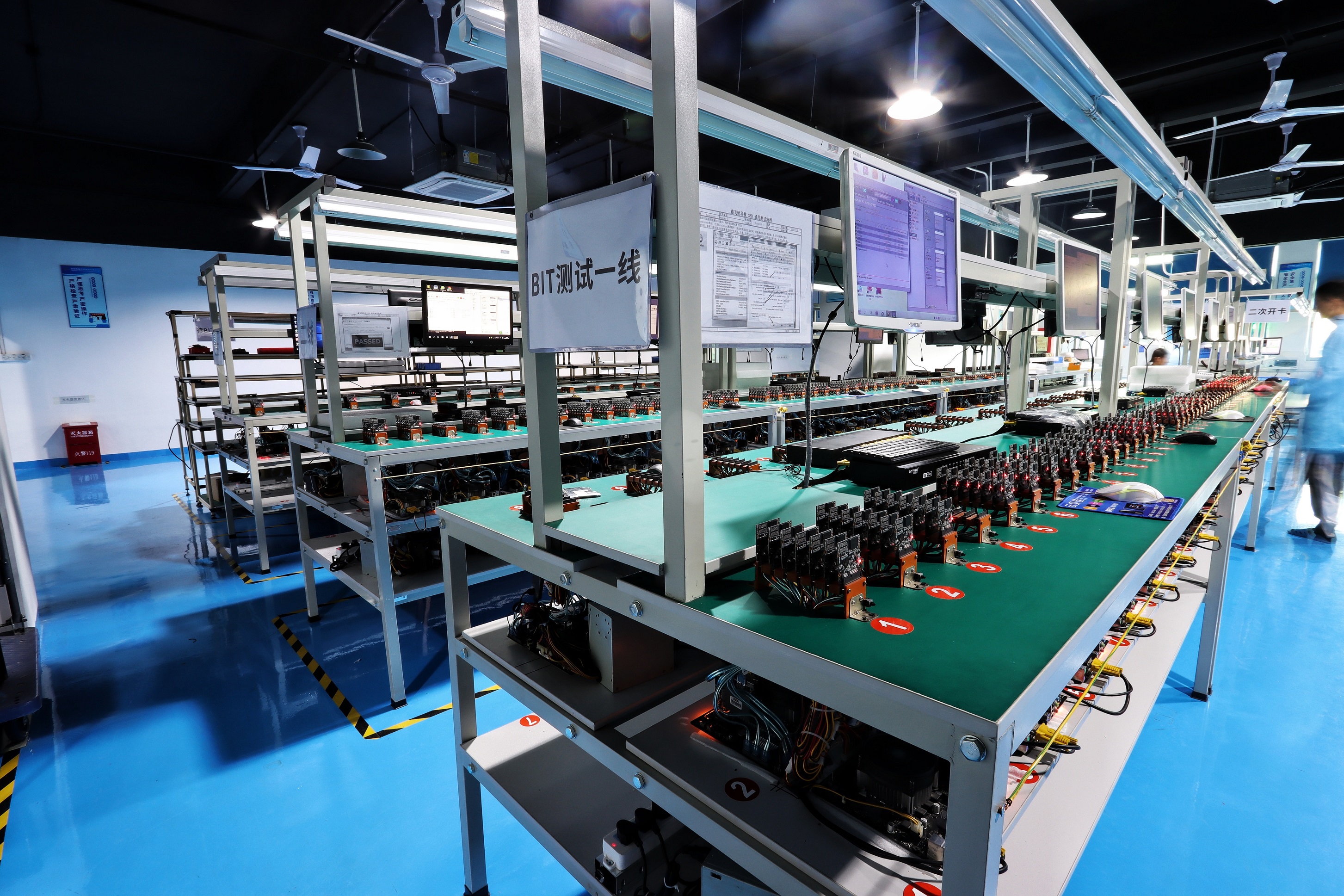
Quality assurance is not a final step at VoltDRAM; it is the core foundation of our production lifecycle. We implement a strict ISO-based quality management system integrated with multi-stage inspection technologies, including:

  • Automated Optical Inspection (AOI): Real-time alignment, solder joint structural profiling, and component orientation verification.
  • In-Circuit and Functional Performance Testing: Direct electrical stimulus validation targeting high-frequency operations.
  • Extended Burn-In Testing: Stressing DRAM modules under elevated temperatures to eliminate infant mortality and guarantee long-term server uptime.
  • Reliability Stress Testing: High-humidity, thermal-cycling, and mechanical vibration verification.
This high-intensity testing regimen is steered by a quality control team of 35–80 experienced inspectors, ensuring zero-defect delivery across our global trade corridors spanning North America, Europe, Southeast Asia, and the Middle East. With a supply chain ecosystem comprising 600–1,500 partners, VoltDRAM provides robust continuity of supply for OEM/ODM brands, data centers, and industrial compute operations.

3. Industrial Trends in Compute Hardware & Assembly

As computing paradigms shift towards hyperscale deployments, several critical vectors are reshaping electronic assembly services globally:

The DDR5 Architecture Transition

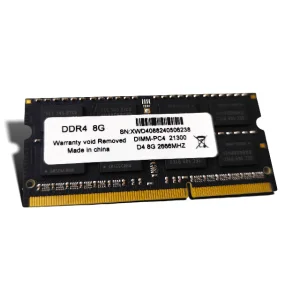
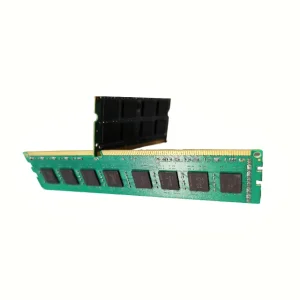
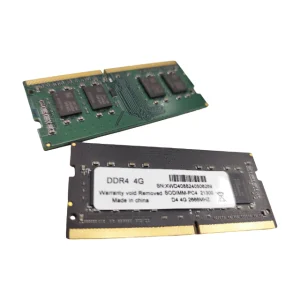
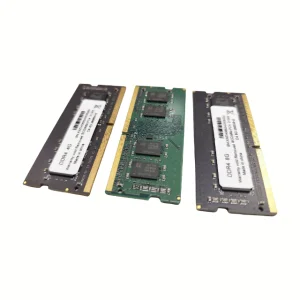
DDR5 memory modules represent a fundamental architectural departure from DDR4. By relocating power management from the motherboard to the module itself via a Power Management Integrated Circuit (PMIC), DDR5 gains finer control over voltage supply, reducing power consumption while increasing speed. This change requires PCB assemblers to execute highly precise placement of small-footprint PMICs, inductors, and capacitors. Additionally, with signal speeds climbing up to 5600MHz and beyond, layout engineers must account for tighter impedance tolerances and reduced noise margins, mandating high-frequency substrate choices like Megtron 6 or specialized FR4 variants.

Thermal Design Power (TDP) Escalation

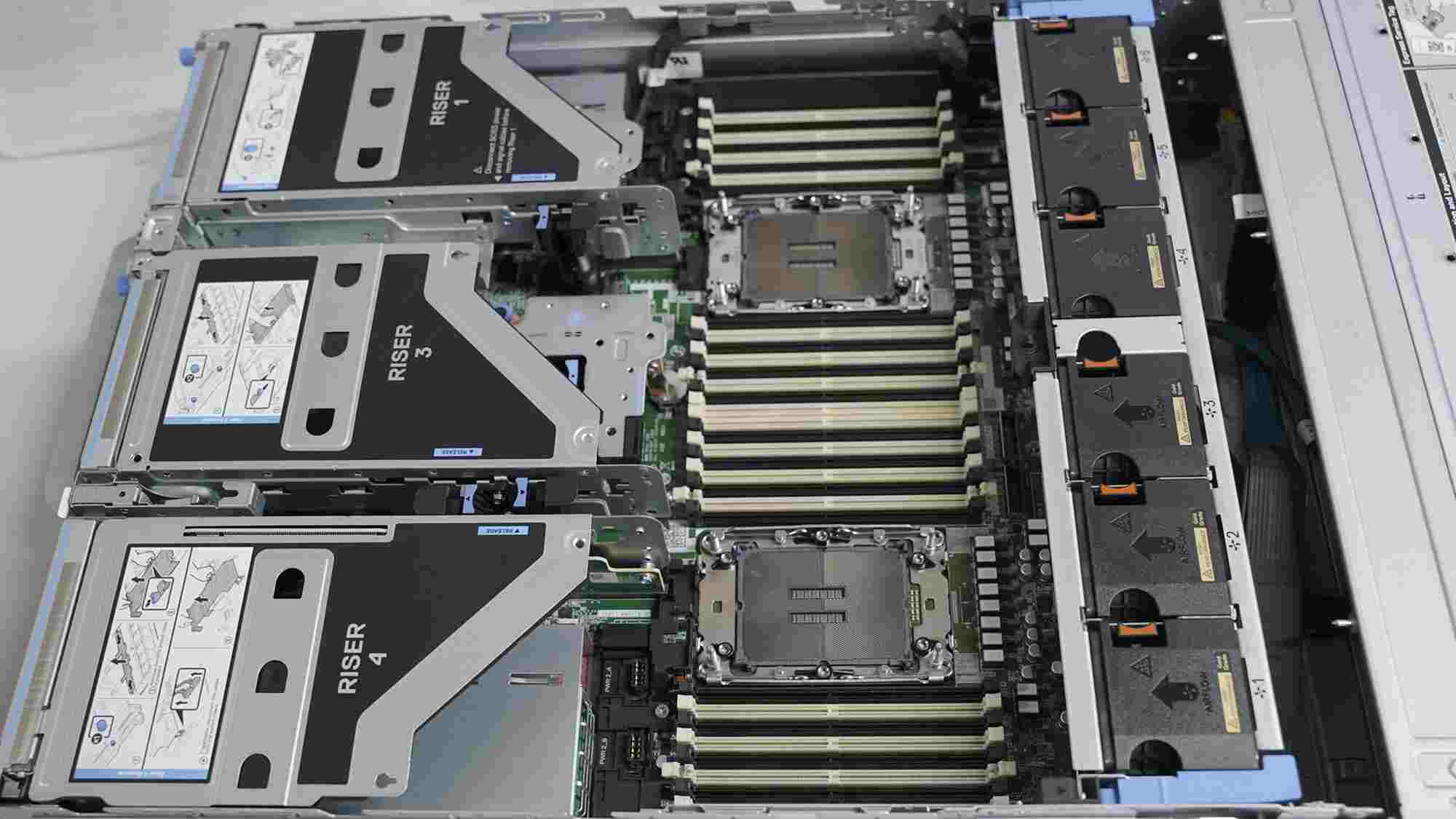
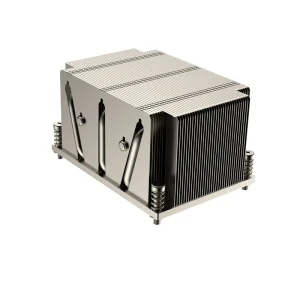
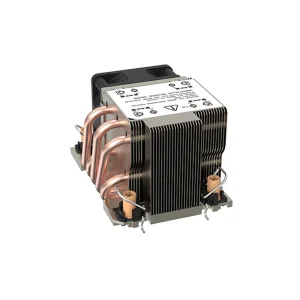
Modern enterprise CPUs and GPUs are pushing TDP envelopes beyond 300W and 700W respectively. Traditional, passive cooling is no longer sufficient. Electronic assembly and system integration now require co-engineering of multi-pipe, high-fin-density copper/aluminum heatsinks, such as the LGA 4677 or SP5 socket coolers. These designs demand precise flat-surface milling, advanced thermal interface materials (TIMs), and integrated dual ball-bearing fans to guarantee continuous heat dissipation under maximum server load.

The Role of ECC (Error Correcting Code)

With data integrity being paramount for cloud database servers and financial transactions, ECC has transitioned from a niche server feature to an industry-wide requirement. On-die ECC in DDR5, combined with module-level sideband ECC, requires advanced structural validation during the assembly phase. Assembly suppliers must possess the capability to flash custom EEPROMs (SPD hubs) and validate the complete read/write integrity of the memory subsystem on the production floor.

4. Localized Application Scenarios

Our tailored hardware assemblies and thermal solutions are built for direct integration into localized, high-demand industrial scenarios:

  • Enterprise AI & Machine Learning Clusters: Deploying DDR5 5600MHz server memory modules alongside 300W+ copper-core heatsinks to sustain persistent deep learning training runs.
  • Edge Computing Gateways: Low-profile, high-reliability memory modules and ruggedized passive heatsinks installed in outdoor telecommunication cabinets, operational under extreme ambient temperature ranges (-40°C to +85°C).
  • Automotive ADAS Platforms: Automotive-grade SMT assembly on multi-layer PCBs, utilizing high-TG FR4 laminates to withstand structural vibrations and thermal shocks in autonomous driving compute modules.
  • High-End Audio Decoding Systems: Low-noise, clean power-delivery layout assemblies incorporating audio-grade capacitors and shielded circuit structures to maintain pristine signal purity in professional broadcasting consoles.
VoltDRAM Advanced Manufacturing Infrastructure & Facility Tour

A visual overview of our state-of-the-art production environments, precision testing bays, and logistics operations.

5. Technical Roadmap & Future Outlook (2025–2030)

As semiconductor lithography approaches physical limits, the burden of system acceleration falls heavily on assembly technology. VoltDRAM is continually developing its capabilities to align with upcoming standards:

CXL (Compute Express Link) Integration

The industry is transitioning toward heterogeneous memory sharing. VoltDRAM is actively researching CXL memory controllers to produce low-latency, high-density pooled memory options that bridge the gap between traditional DRAM expansion and storage. This requires new SMT configurations and advanced multi-die packaging techniques.

Ultra-High Frequency DDR5 & DDR6

With data transfer speeds aiming for 6400MHz, 8400MHz, and eventually DDR6 targets, signal losses scale exponentially. Our engineering roadmap emphasizes the adoption of sub-10 mil routing traces, low-loss solder alloys, and direct-to-die thermal coupling to prevent signal skew and jitter. We are also optimizing low-profile server form factors (such as MR-DIMMs and CAMM2) to support denser compute architectures.

Hybrid Liquid-Air Thermal Architectures

For data centers seeking maximum efficiency, air cooling alone is insufficient. We are aligning our heatsink manufacturing with closed-loop liquid cooling integration, creating cold plates with micro-channel structures designed to mount directly over next-gen socket arrays, ensuring thermal stability for CPUs exceeding 500W TDP.

Technical Q&A / Frequently Asked Questions

Technical answers regarding our design standards, SMT quality controls, and product customization capabilities.

What testing procedures do you implement to ensure DDR5 memory module stability under enterprise workloads?
At VoltDRAM, every DDR5 module undergoes a multi-tiered validation workflow. This starts with automated optical inspection (AOI) to confirm correct solder fillet structures on all pins, followed by automated X-ray inspection (AXI) for BGA solder joints underneath the DRAM chips. Afterward, we perform high-speed functional testing on dedicated testers simulating actual motherboard BIOS environments at rated frequencies (e.g., 5600MHz). Finally, modules undergo dynamic burn-in testing inside specialized high-temperature chambers to weed out early life failures.
How does the shifting of the PMIC to the memory module in DDR5 impact thermal profiles and PCB design?
Moving the Power Management Integrated Circuit (PMIC) onto the memory module reduces the motherboard's power distribution complexity but concentrates thermal generation directly on the memory PCB. Consequently, VoltDRAM uses multi-layer PCBs with thick copper planes (up to 2oz or more) to distribute heat efficiently. We also offer options for low-profile aluminum heat spreaders and optimized thermal pads to direct PMIC heat away from the adjacent DRAM packages.
What customized OEM/ODM assembly capabilities does VoltDRAM support?
Our OEM/ODM capabilities encompass full PCB Gerber design, structural simulation, schematic customization, customized SPD settings, and custom packaging. Supported by a dedicated engineering team of 60–300 members, we launch 120–450 product variations annually. Clients can specify thermal requirements, frequency bins (such as 4800MHz to 5600MHz), capacities (4GB to 32GB+), and customized branding/labeling.
How do CPU heatsinks with 300W TDP, like the LGA 4677 cooler, maintain high performance under continuous loads?
Our 300W LGA 4677 server coolers employ high-performance sintered heat pipes or vapor chambers embedded directly into a copper base plate. This design dramatically speeds up heat transport to the aluminum fins. These fins are assembled with high tension to maintain joint integrity, and combined with dual ball-bearing fans operating at high static pressure, they keep the CPU within nominal operating temperatures even at full utilization.
What standards are utilized for the manufacturing of FR4 audio decoder circuit assemblies?
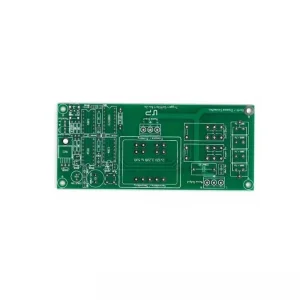
Our FR4 decoder assemblies follow the IPC-A-610 Class II standard for electronics manufacturing. We use premium FR4 substrates with a thickness of 1.6mm, featuring controlled copper weight to ensure low-impedance power distribution. Signal paths are routed symmetrically to prevent noise induction and signal degradation, ensuring maximum audio fidelity.