VoltDRAM
VoltDRAM
VoltDRAM
An Industrial Whitepaper on Resolving the Computational Heat Wall via Advanced Material Science.
In the contemporary landscape of high-performance computing (HPC), artificial intelligence (AI) data centers, 5G communications, and electric vehicle (EV) power modules, the physical limits of silicon are challenged daily. As chips shrink and power density rises exponentially, managing thermal dissipation at microscopic interfaces has transitioned from a supporting engineering task to the principal bottleneck of hardware reliability. This is where Thermal Interface Materials (TIMs) emerge as the ultimate architectural pivot. By filling microscopic air gaps—which act as thermal insulators with negligible conductivity (approx. 0.026 W/m·K)—between heat-generating components and heat sinks, TIMs reduce interfacial thermal resistance and enable efficient heat pathways.
According to recent industry market analyses, the global market for Thermal Interface Materials is projected to surpass billions of USD by 2030, driven by the rollout of high-tdp server architectures (such as Intel's Sapphire Rapids, AMD's Genoa/Bergamo platforms, and NVIDIA's Hopper/Blackwell AI clusters). Thermal interfaces must now survive continuous operating temperatures exceeding 125°C while maintaining contact integrity without drying out, pumping out, or separating. This massive expansion demands robust global supply chains capable of delivering extreme-performance TIMs—such as phase change materials (PCMs), high-conductivity greases, gap pads, and liquid metals—on a wholesale OEM/ODM basis.
As TDPs of modern server processors cross 350W to 700W, traditional thermal pads are replaced by custom phase change materials (PCMs) and liquid metal matrices to cope with localized heat fluxes.
DDR5 memory shifts Power Management Integrated Circuits (PMIC) directly onto the module PCB. This creates localized hot spots, requiring precision thermal interface pads to safeguard memory controller operations.
For aerospace, optical instrumentation, and automotive electronics, silicone outgassing presents severe degradation hazards. Silicone-free TIM options are now mandatory for high-reliability systems.
Addressing the critical supply criteria for OEM/ODM procurement of Thermal Interface Materials.
Industrial procurement departments do not merely buy thermal interface materials; they source stable thermal systems. Modern electronics systems demand custom formulations tailored to specific mechanical pressures and surface roughnesses. For instance, in automated manufacturing lines, the assembly speed depends directly on the dispensability of thermal gels or the ease of liner release on pre-cut thermal pads. The integration of VoltDRAM Semiconductor Co., Ltd.'s production logistics addresses this issue directly, aligning hardware design, component fabrication, and thermal optimization under a unified operational umbrella.
To establish true credibility and E-E-A-T, we evaluate procurement requirements based on four pillars:
Bulk thermal conductivity (expressed in W/m·K) must be verified through standardized testing methods, such as the ASTM D5470 steady-state heat flow meter. Buyers must scrutinize thermal impedance at varying clamp pressures (PSI) to simulate real-world field applications.
TIMs must accommodate mechanical tolerances without placing excessive stress on delicate silicon dies. Softness, hardness (measured on Shore OO or Shore A scales), and viscosity values must match the compression profiles of the heatsink retention brackets.
High-reliability applications require low outgassing values (% TML < 1% and % CVCM < 0.1% per ASTM E595) to prevent volatile organic compounds from condensing on optical sensors or PCB traces. Resistance to dry-out, thermal aging cycles, and humidity is crucial.
For massive scaling, materials must support high-yield robotic assembly. Custom-cut shapes, kiss-cut sheets, tabbed liners, or cartridge packaging for fluid dispensable gels are selected according to the customer's manufacturing equipment.
Comprehensive comparative analysis of TIM materials based on computational architectures.
Choosing the correct class of Thermal Interface Material requires balancing physical performance with economic feasibility and assembly mechanics. Under-specifying a material leads to thermal runaway, device degradation, and potential field failures. Conversely, over-specifying with exotic materials (like indium foils or carbon-nanotube matrices) drives up product costs unnecessarily. The matrix below outlines our engineering recommendations for various hardware classes, showing how TIMs, server heatsinks, and specialized high-frequency PCBs interface.
| TIM Category | Thermal Conductivity (W/m·K) | Thickness Range (mm) | Primary Target Applications | Key Performance Tradeoff |
|---|---|---|---|---|
| Thermal Phase Change Materials (PCM) | 3.5 – 8.5 | 0.12 – 0.25 | High-TDP CPUs, GPUs, DDR5 PMICs, AI Accelerators | Requires initial phase-change transition temperature (~45°C) to flow and wet surfaces. |
| Thermal Gap Pads (Silicone/Non-Silicone) | 1.0 – 12.0 | 0.25 – 5.0 | Power components, SSDs, Aluminum high-frequency PCBs, telecommunication chassis | Higher mechanical thickness creates higher bulk thermal impedance; requires compression. |
| Dispensable Thermal Gels & Putty | 3.0 – 7.5 | 0.10 – 1.0 | Automated industrial lines, automotive ECUs, multi-height component boards | Requires specialized dispensing equipment; can exhibit slight pump-out under rapid thermal cycling. |
| Thermal Grease (High-Performance Paste) | 4.0 – 15.0+ | < 0.05 | Desktop CPU coolers, server heatsinks (LGA 4677/SP5), extreme overclocking | Achieves thinnest Bond Line Thickness (BLT), but subject to pump-out and dry-out over long periods. |
| Graphite Thermal Sheets | 10 – 1500 (in-plane) | 0.025 – 0.10 | Mobile devices, ultra-thin notebooks, heat-spreading applications | Anisotropic (direction-dependent) performance; minimal vertical (Z-axis) conductivity. |
Leveraging high-reliability cleanroom facilities, strict ISO-based testing systems, and global logistics expertise.
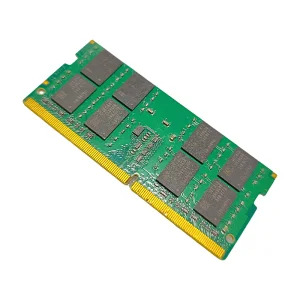
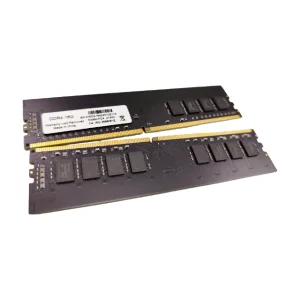
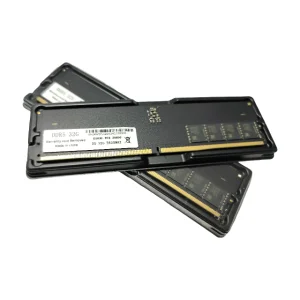
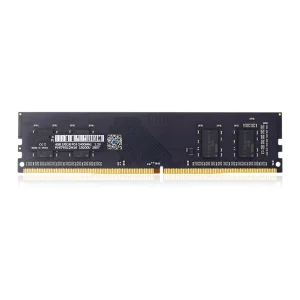
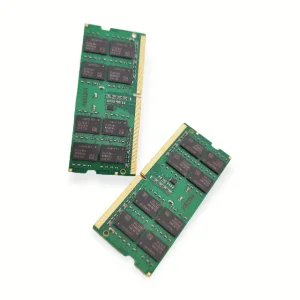
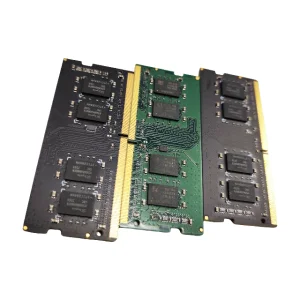
Originally established as a premier high-performance DDR5 memory manufacturer, VoltDRAM Semiconductor Co., Ltd. (registered between 2015–2018) has evolved to address the critical bottlenecks in compute performance: heat dissipation. Our extensive industry expertise of 8–15 years has proven that memory performance is only as good as the thermal envelope maintaining it. Consequently, our production capabilities now span integrated semiconductor thermal solutions, including high-performance memory heatsinks, copper/aluminum vapor chambers, custom high-conductivity aluminum PCBs, and advanced Thermal Interface Materials.
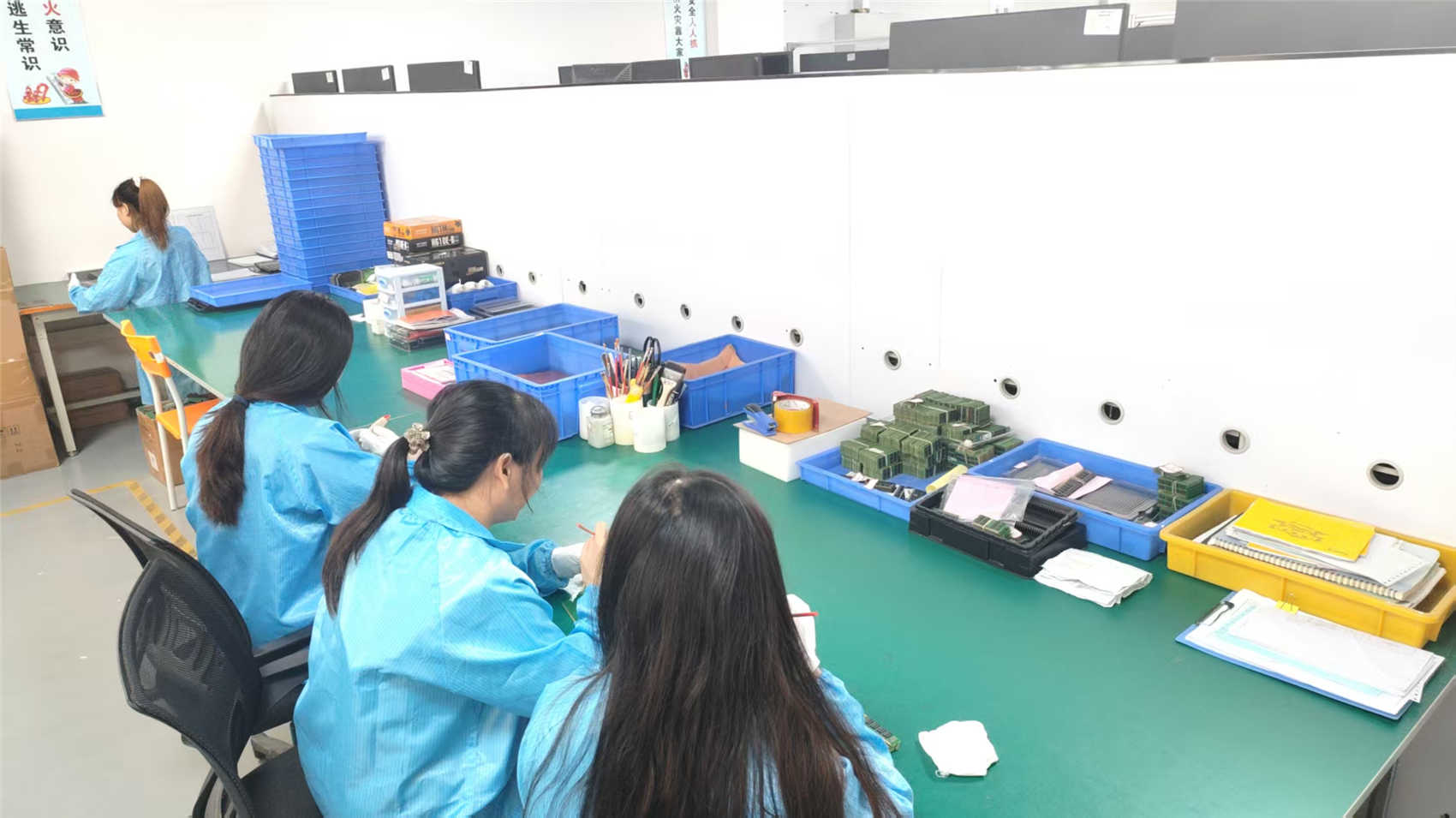
Operating a state-of-the-art facility covering 320–480㎡ of highly controlled cleanrooms, VoltDRAM generates an annual export revenue of USD 8–18 million, backed by 6–9 years of export experience. Every thermal pad, phase change sheet, and memory module we produce is subject to an uncompromising quality management regime. We employ between 35–80 experienced inspectors dedicated to verifying compliance across all product lines. By combining automated optical inspection (AOI), electrical performance testing, burn-in testing, and reliability stress testing under extreme environments, we assure stable operation under continuous workloads.
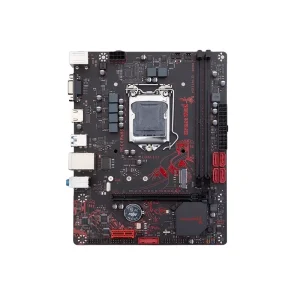
Our commitment to continuous innovation is driven by a strong R&D team consisting of 60–300 engineers. This team introduces 120–450 new product variants annually, ensuring that our clients in North America, Europe, Southeast Asia, and the Middle East always have access to cutting-edge technologies. Whether customizing a silicone-free gap filler for an industrial server mother board or engineering a specialized high-performance heatsink for the LGA 4677 socket, VoltDRAM combines precision manufacturing with real-world thermal science.
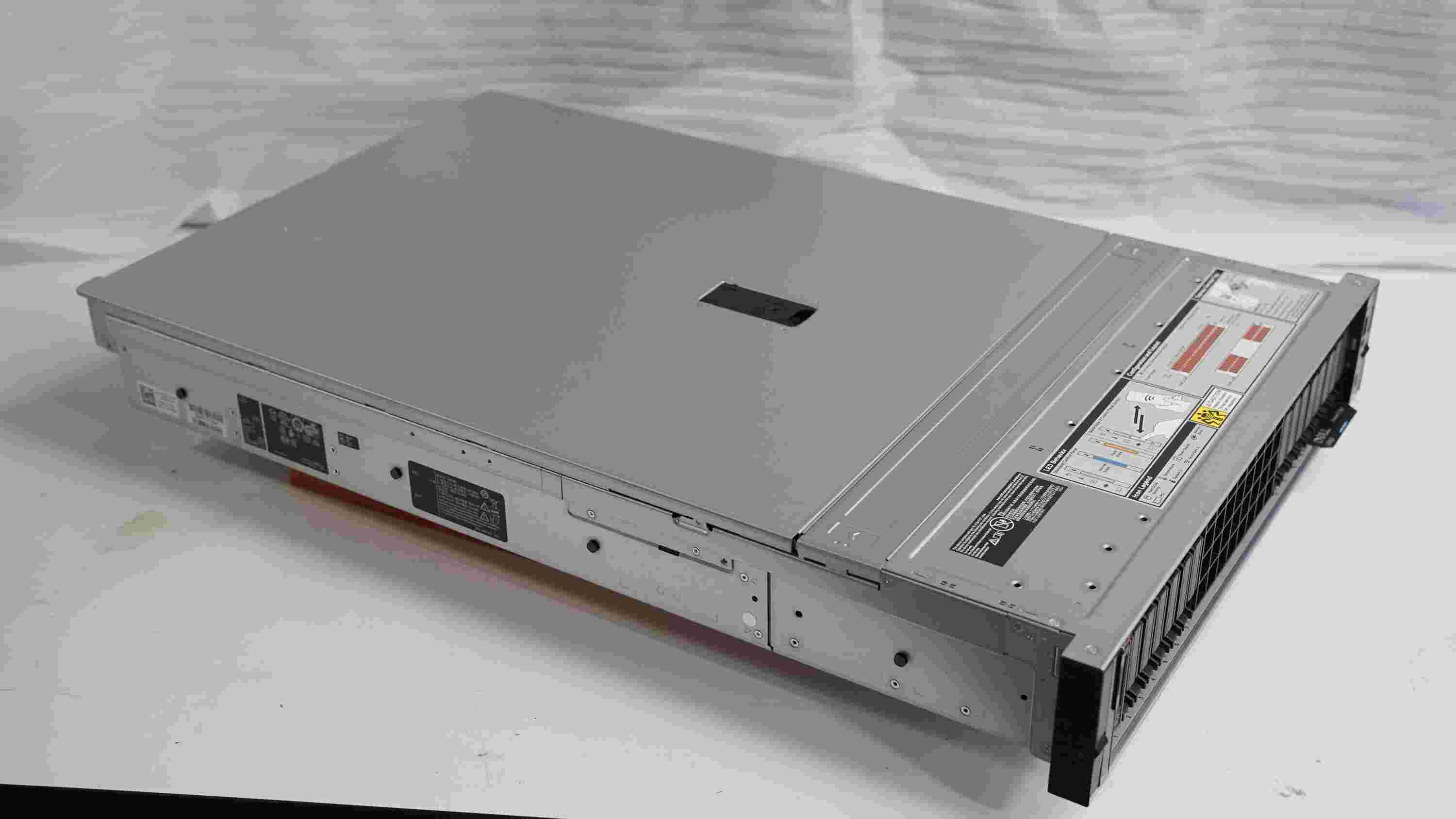
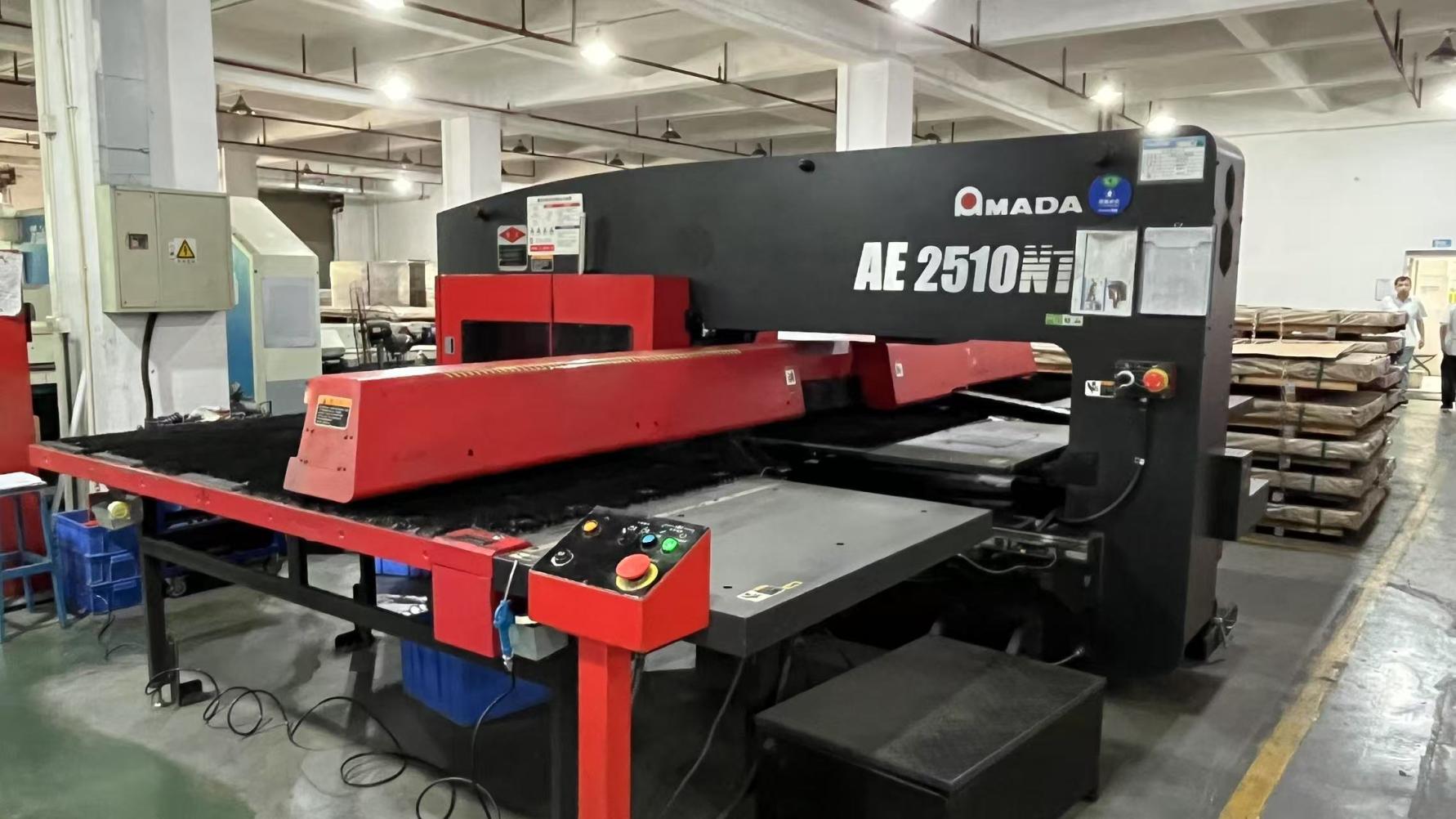
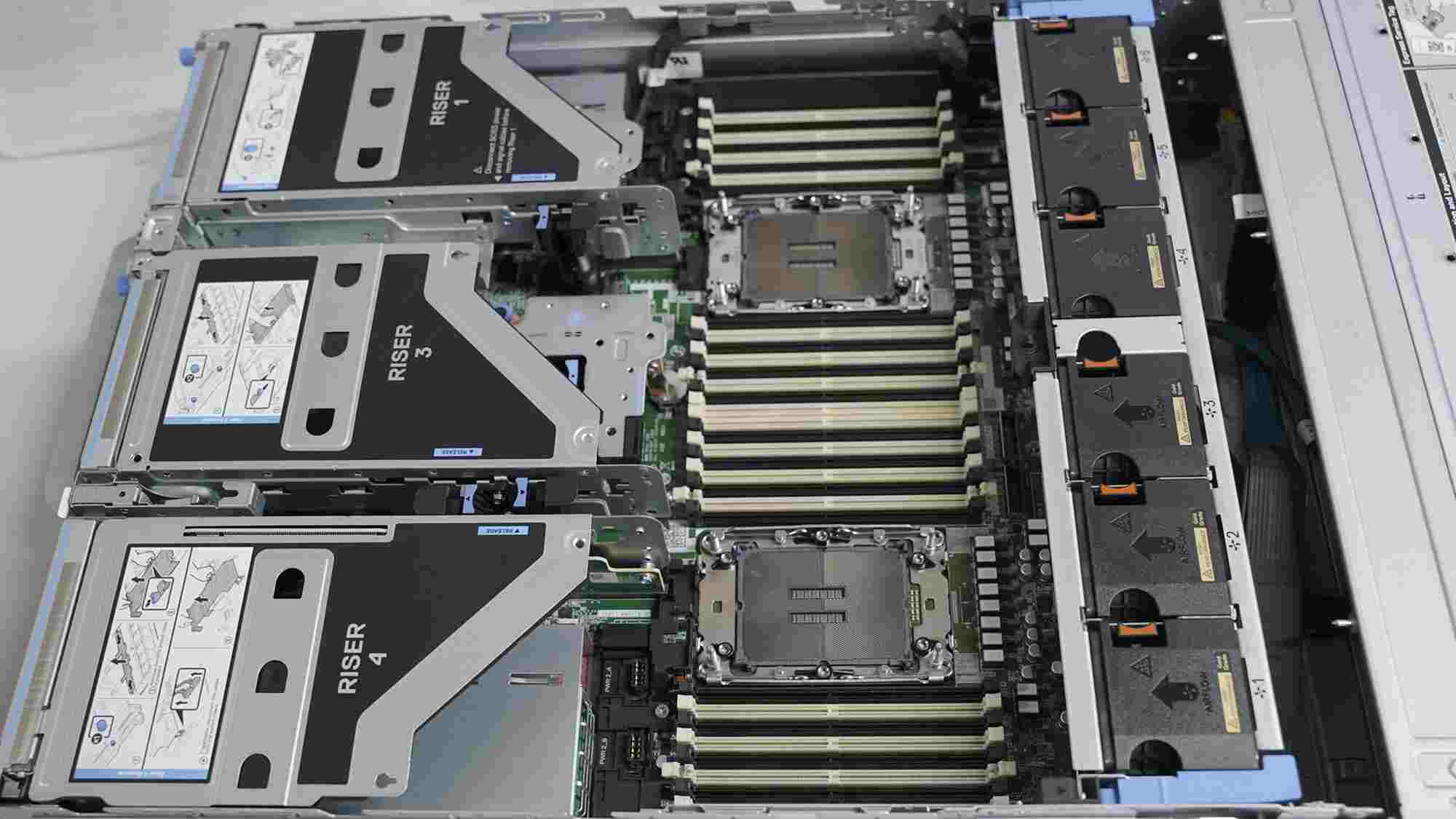
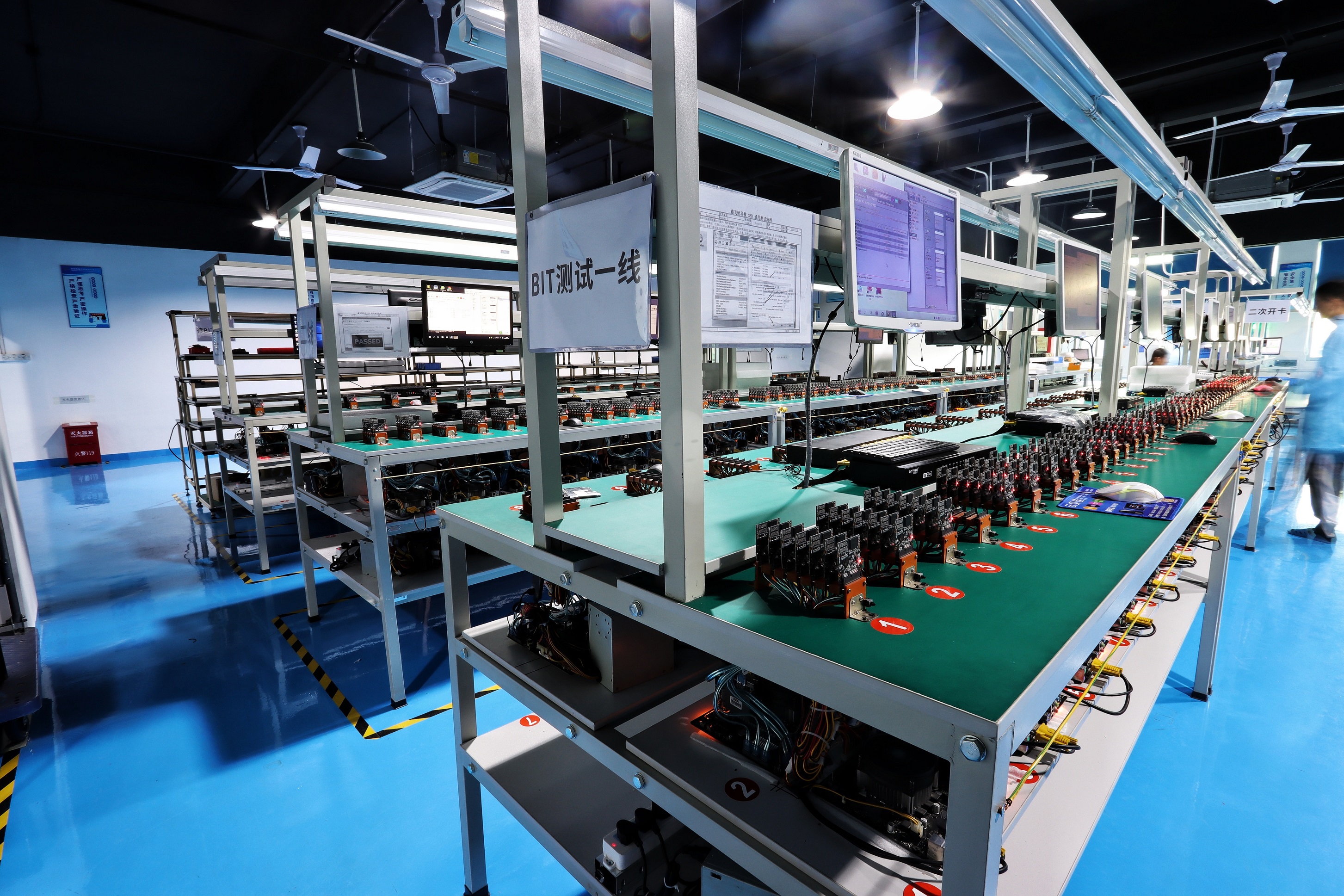
Combining Thermal Interface Materials, PCBs, and Active Cooling Hardware for Peak Performance.
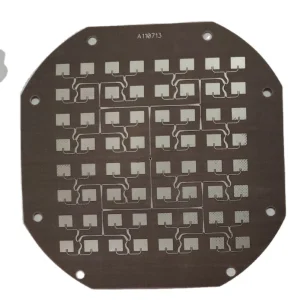
A common error in thermal engineering is to treat the Thermal Interface Material as an isolated component. In reality, a TIM is only as effective as the mechanical subsystem surrounding it. As a holistic hardware supplier, VoltDRAM provides integrated solutions that combine high-frequency aluminum substrate PCBs, custom server heatsinks, active fan cooling modules, and matched Thermal Interface Materials. For instance, our aluminum substrate PCB circuit boards (such as the high-frequency Taconic TLY-5) require specialized thin dielectric layer prepregs coupled with phase change TIMs to match thermal expansion coefficients (CTE) and prevent board warping during rapid thermal cycles.
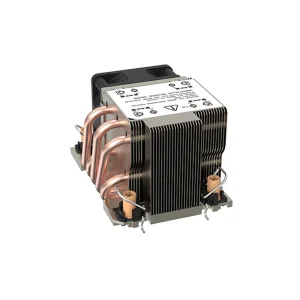
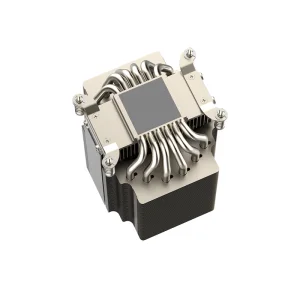
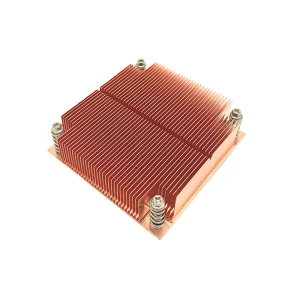
Similarly, for high-capacity servers using 2U integrated water cooling heatsinks (like the AMD SP5 platform) or 300W LGA 4677 active coolers, the selection of the thermal grease or PCM must be optimized for the specific clamping force of the retention socket. VoltDRAM’s design team calculates the required pressure-to-thickness ratio, ensuring that the selected TIM flows into the micro-cavities of the copper cold plate without spilling onto adjacent components, thus minimizing interfacial contact resistance while maximizing long-term dielectric isolation.
We match the chemical nature of our TIMs with the metallic compositions of our heatsinks (Al, Cu, Nickel-plated coatings) to prevent galvanic corrosion and electrochemical migration.
By producing the aluminum PCBs, memory modules, and heat sinks in-house, we control mechanical tolerances, allowing us to specify minimal TIM thicknesses to achieve higher overall thermal transfer.
How VoltDRAM is preparing for the next wave of thermal management challenges.
As semiconductor architectures move towards 3D-stacked dies, chiplets, and co-packaged optics (CPO), traditional lateral thermal dissipation pathways are no longer sufficient. Vertical thermal transfer through the silicon stack demands TIMs with unprecedented performance. VoltDRAM’s technology roadmap focuses on three main developments:
1. Vertically Aligned Carbon Nanotubes (CNT) and Graphene: By aligning high-conductivity carbon structures vertically inside a polymer matrix, we aim to achieve thermal conductivities exceeding 20 W/m·K in the Z-axis, which is critical for future multi-layer high-frequency processors.
2. Low-Temperature Liquid Metal Alloys (GaInSn): While gallium-based liquid metals offer exceptional conductivity (>30 W/m·K), their corrosive nature limits adoption. Our R&D division is developing polymer-encapsulated liquid metal composites that provide liquid-like thermal resistance while preventing electrical short-circuits or metal migration.
3. Advanced High-Reliability Silicone-Free Elastomers: To meet the demand from space and optical communications, we are expanding our research into polyimide-based thermal sheets that resist outgassing and material degradation over 25-year operational lifespans.
Expert answers to common technical and procurement queries regarding Thermal Interface Materials.
Bulk thermal conductivity (W/m·K) is an intrinsic property of the material itself, showing its ability to conduct heat. Thermal impedance (K·in²/W or °C·cm²/W), however, is a system-level measurement that accounts for the material thickness and the contact resistance at both the heat-source and heat-sink interfaces. A material with high bulk conductivity can still perform poorly if it has high interface resistance due to insufficient pressure or surface roughness.
The total thermal resistance is calculated as: R_total = (Thickness / Conductivity) + Contact Resistance. Therefore, reducing the thickness (BLT) is the most effective way to lower total resistance. High-performance greases and phase change materials are preferred for flat, low-tolerance surfaces because they can achieve extremely thin BLTs (< 25 microns).
Silicone-based TIMs can release low-molecular-weight siloxane polymers over time (a process known as outgassing). These volatile elements can migrate and condense on nearby optical lenses, sensors, or electrical contacts. In space vacuum environments or near laser systems, this causes severe optical degradation or contact failure. Silicone-free TIMs use hydrocarbon or polyurethane matrices to prevent this outgassing risk.
We strictly adhere to the ASTM D5470 standard (Standard Test Method for Thermal Transmission Properties of Thermally Conductive Electrical Insulation Materials). This steady-state method allows us to measure bulk thermal conductivity and contact resistance under different clamping pressures, ensuring that the performance data we supply to system engineers reflects actual application conditions.
For thermal greases and dispensable gels, the typical shelf life is 12 to 24 months when stored in original, unopened containers under recommended temperature conditions (typically 5°C to 25°C). Phase change materials and cured gap pads, when stored in dry environments away from direct sunlight, can have a shelf life of up to 5 years.
We implement a strict ISO-based quality management system. Our team of 35-80 quality inspectors monitors every production batch. We utilize automated optical inspection (AOI) to check for thickness consistency and air pockets, and conduct long-term burn-in and reliability stress testing to verify physical stability and thermal retention under high-temperature cycling before export.