VoltDRAM
VoltDRAM
VoltDRAM
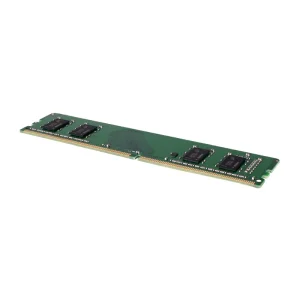
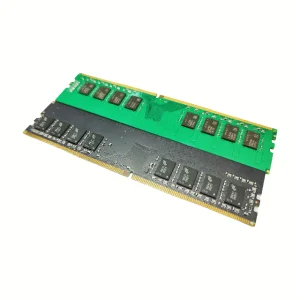
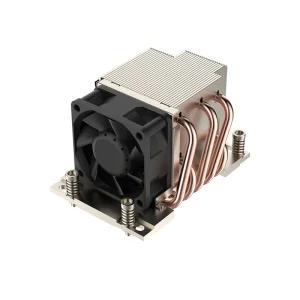
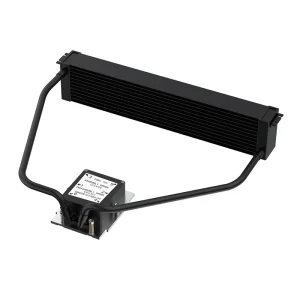
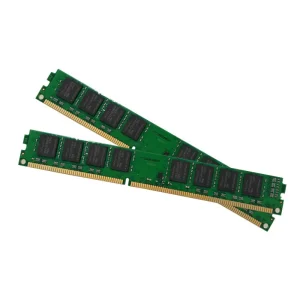
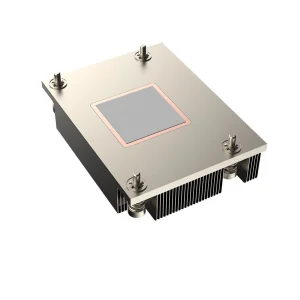
High-reliability server heatsinks, active liquid cooling blocks, and DDR5 memory modules optimized for metal clad substrates.
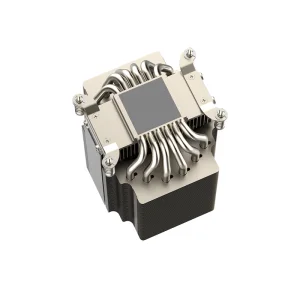
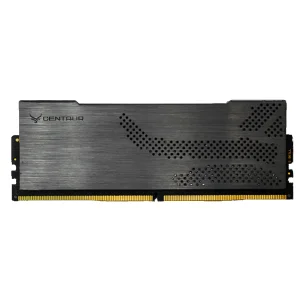
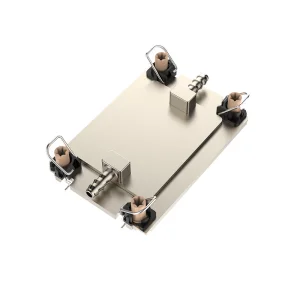
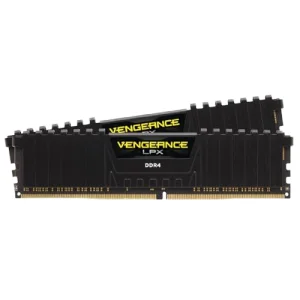
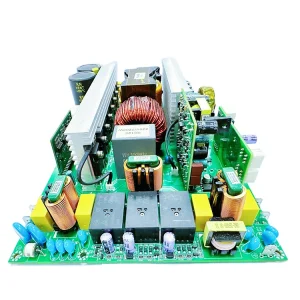
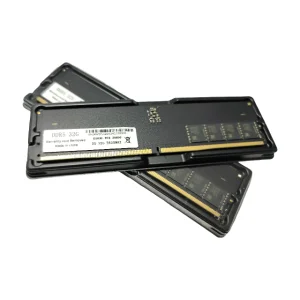
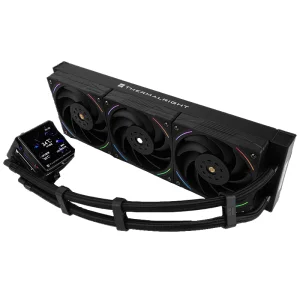
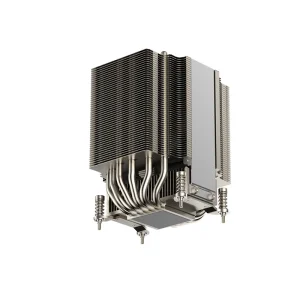
As microelectronics scale down and power densities escalate exponentially, thermal dissipation has emerged as the critical bottleneck in electronic systems design. In applications such as high-performance DDR5 memory subsystems, server liquid cooling blocks, and high-power photovoltaic (PV) inverters, traditional FR4 substrates fail to dissipate heat effectively. This leads to junction temperatures exceeding safe thresholds, reducing device lifespan and introducing signal integrity degradation.
This industry whitepaper addresses the design paradigms, materials science, and localized integration roadmaps for custom OEM Aluminum Printed Circuit Boards (MCPCBs). We demonstrate how integrating high-performance metal substrates with advanced engineering solves the thermal management issues faced by modern high-speed computation and green energy infrastructures.
Aluminum PCBs offer thermal conductivity up to 10x higher than traditional FR4, ensuring heat-generating components run up to 30°C cooler.
Metal backing structures provide superior dimensional stability, resisting warp, stress, and thermal expansion fatigue in extreme conditions.
The integrated aluminum plate acts as a natural electromagnetic shield, reducing signal noise in high-frequency telecommunication hardware.
The industrial landscape for Metal Clad PCBs (MCPCBs) is undergoing a major transition. The rise of high-speed servers, automotive electrification, and green power grids has generated strong demand for metal substrates. In the enterprise server sector, platforms such as the AMD SP5 and Intel LGA4189 CPU architectures dissipate up to 400W–500W per socket. Standard heat sinks alone cannot dissipate this much heat; the underlying substrate must actively help distribute it across the chassis.
Similarly, next-generation DDR5 memory modules run at high frequencies (4800MHz to 6000MHz+) and generate significant heat from their integrated Power Management ICs (PMICs). By using specialized aluminum core backplanes and structural copper heat spreaders, manufacturers can ensure these high-density memory arrays operate continuously without thermal throttling or memory errors.
The performance of an aluminum PCB depends on its layering chemistry. A typical high-performance MCPCB consists of three distinct layers:
| Layer Type | Material Composition | Primary Function | Typical Thickness Range |
|---|---|---|---|
| Circuit Layer | High-purity Electrolytic Copper Foil | Signal and power trace routing | 1.0 oz to 6.0 oz (35µm - 210µm) |
| Dielectric Layer | Ceramic-filled Polymer Composite | Electrical isolation & thermal conduction | 50µm to 150µm (1W/m-K - 8W/m-K) |
| Base Layer | Aluminum Alloy (5052, 6061, or 1100) | Structural integrity & heat sink coupling | 0.8mm to 3.2mm |
The dielectric layer is the most critical element of the stackup. Standard prepregs use glass-reinforced resins, which have a thermal conductivity of only ~0.25 W/m-K. In contrast, high-performance MCPCB dielectrics use polymer resins loaded with ceramic particles (such as Alumina or Aluminum Nitride). This setup raises thermal conductivity to 3.0 W/m-K, 5.0 W/m-K, or higher, while maintaining a dielectric breakdown voltage above 4000V AC.
As a key player in this manufacturing ecosystem, VoltDRAM Semiconductor Co., Ltd. demonstrates the high efficiency and integration of China's advanced electronics supply chain. Established between 2015–2018, VoltDRAM has evolved from a specialized high-performance DDR5 memory manufacturer into a trusted provider of high-speed memory modules, server cooling solutions, and metal clad substrate assemblies.
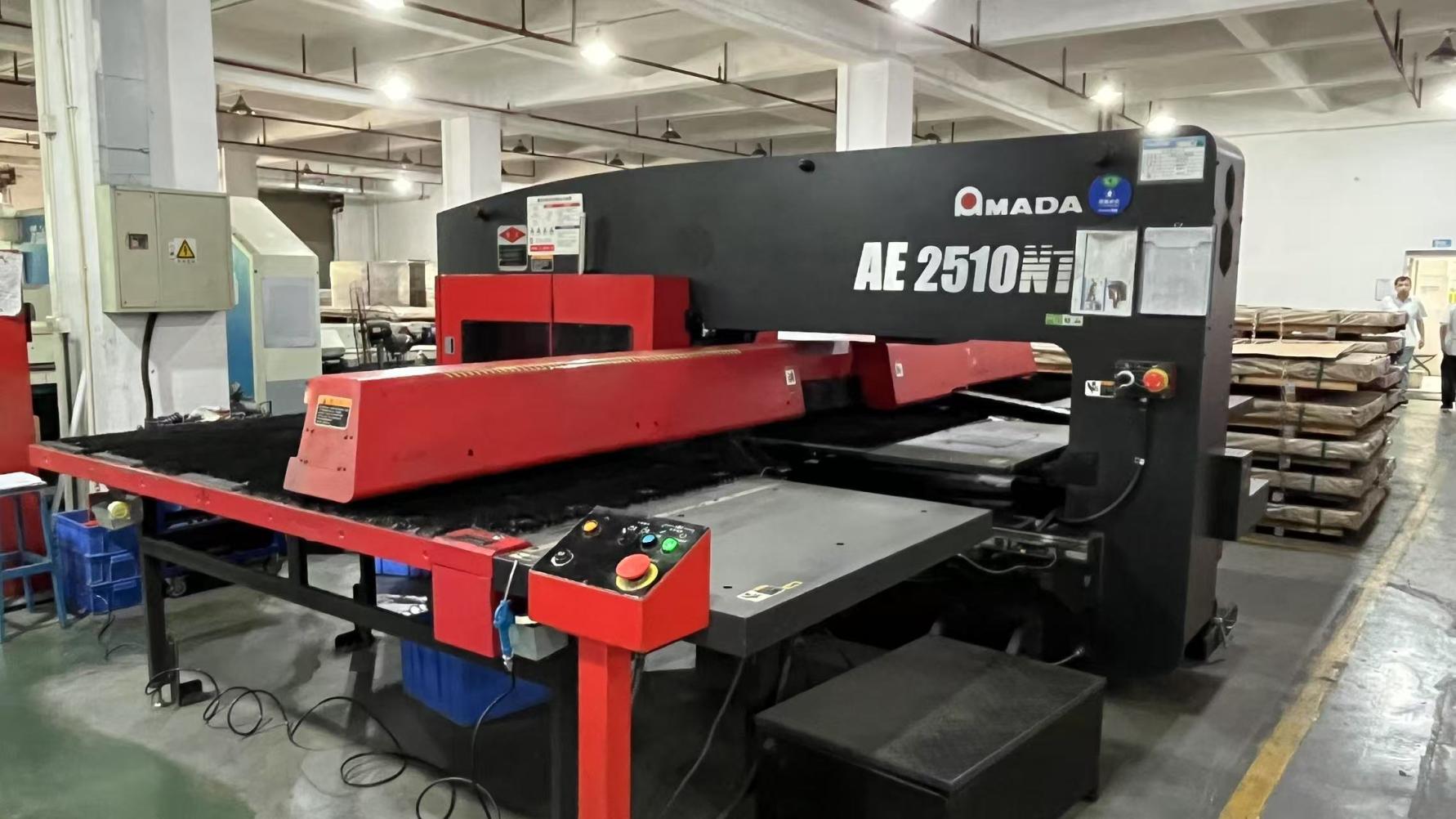
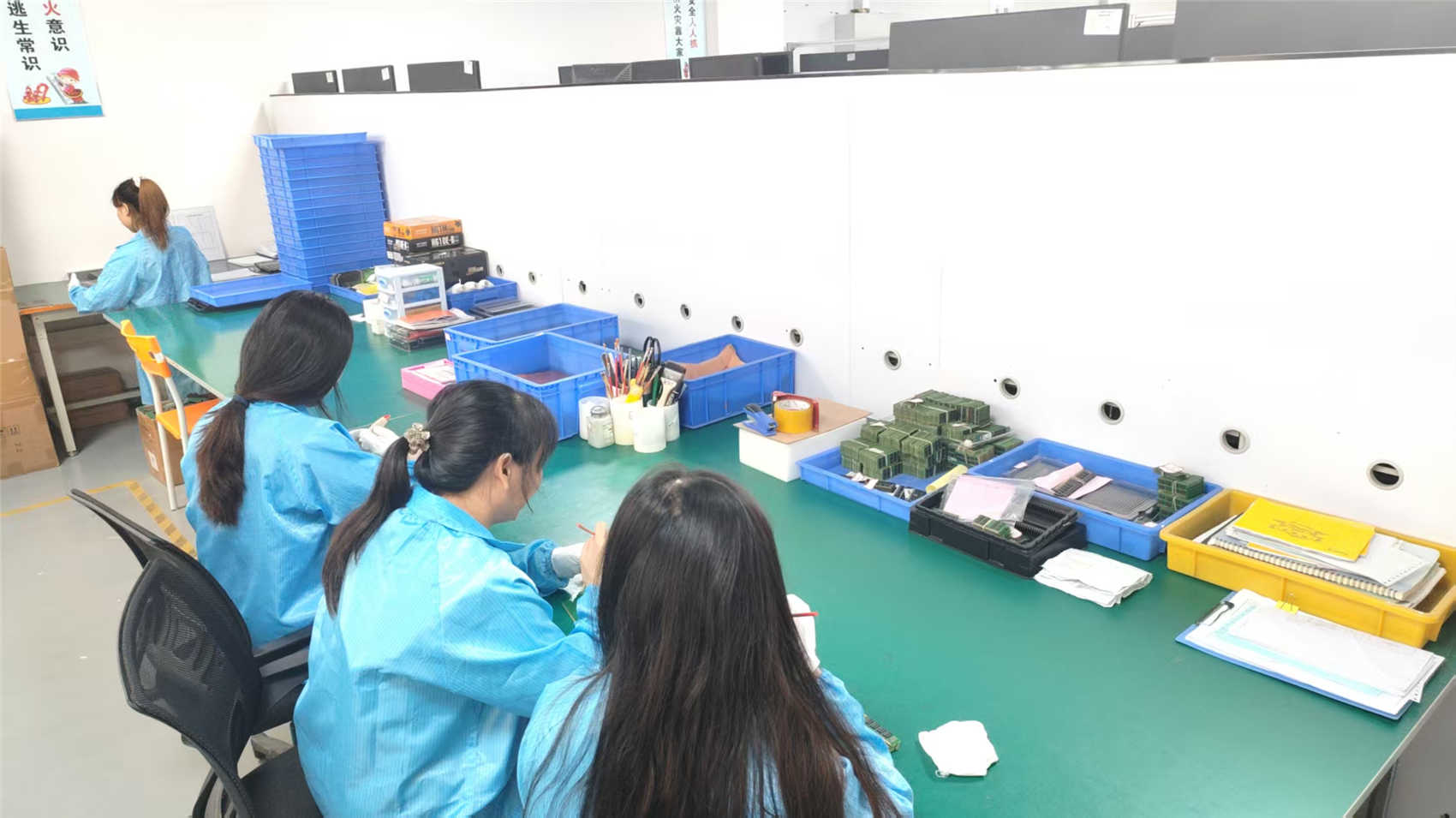
Operating from a specialized cleanroom facility spanning 320–480㎡, VoltDRAM utilizes fully automated surface mount technology (SMT) lines and optical inspection systems. This infrastructure allows VoltDRAM to manage high-precision assembly tasks, including mounting memory modules, thermal sensors, and high-current power stages directly onto aluminum-backed circuit boards.
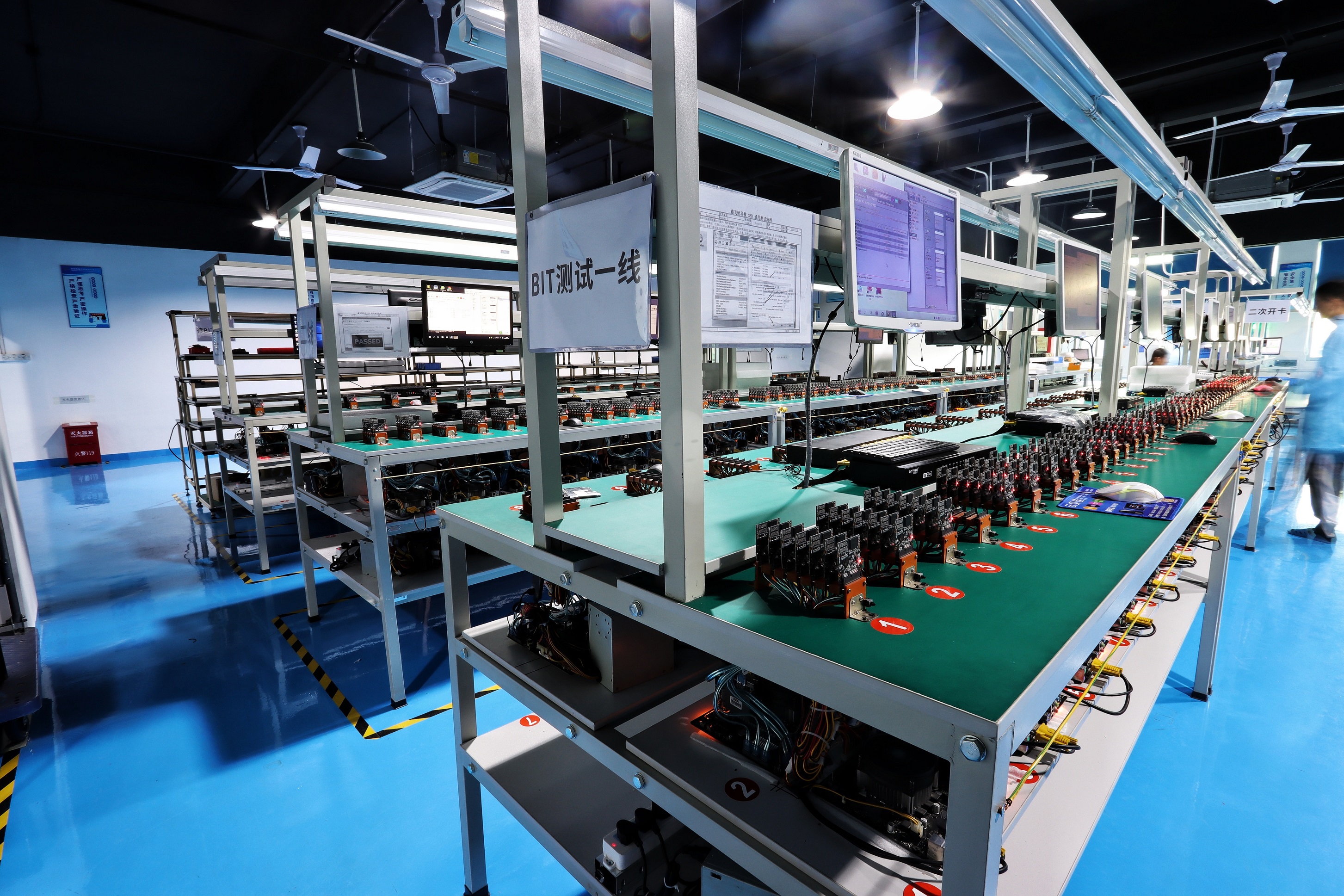
Quality is at the core of VoltDRAM. We implement strict ISO-based quality management systems, combined with automated optical inspection (AOI), electrical performance testing, burn-in testing, and reliability stress testing to ensure stable product performance. Our quality control team consists of 35–80 experienced inspectors, ensuring every batch meets international standards.
VoltDRAM's engineering processes are designed to prevent typical metal-substrate defects, such as trace delamination under thermal cycling, dielectric layer voids, and board warping during V-scoring or CNC machining.
VoltDRAM maintains direct partnerships with over 600–1,500 supply chain partners, guaranteeing stable access to copper-clad laminates, specialized thermal polymers, and premium aluminum alloys. This ecosystem enables the company to generate an annual export revenue of USD 8–18 million, shipping high-reliability components to North America, Europe, Southeast Asia, and the Middle East.
Backed by a dedicated R&D division of 60–300 engineers, VoltDRAM launches 120–450 new product variants every year. This continuous development helps customers transition smoothly from initial prototyping to volume production.
Operating in global markets requires an understanding of localized environmental, technical, and regulatory requirements. Different regions demand distinct engineering profiles for aluminum substrates:
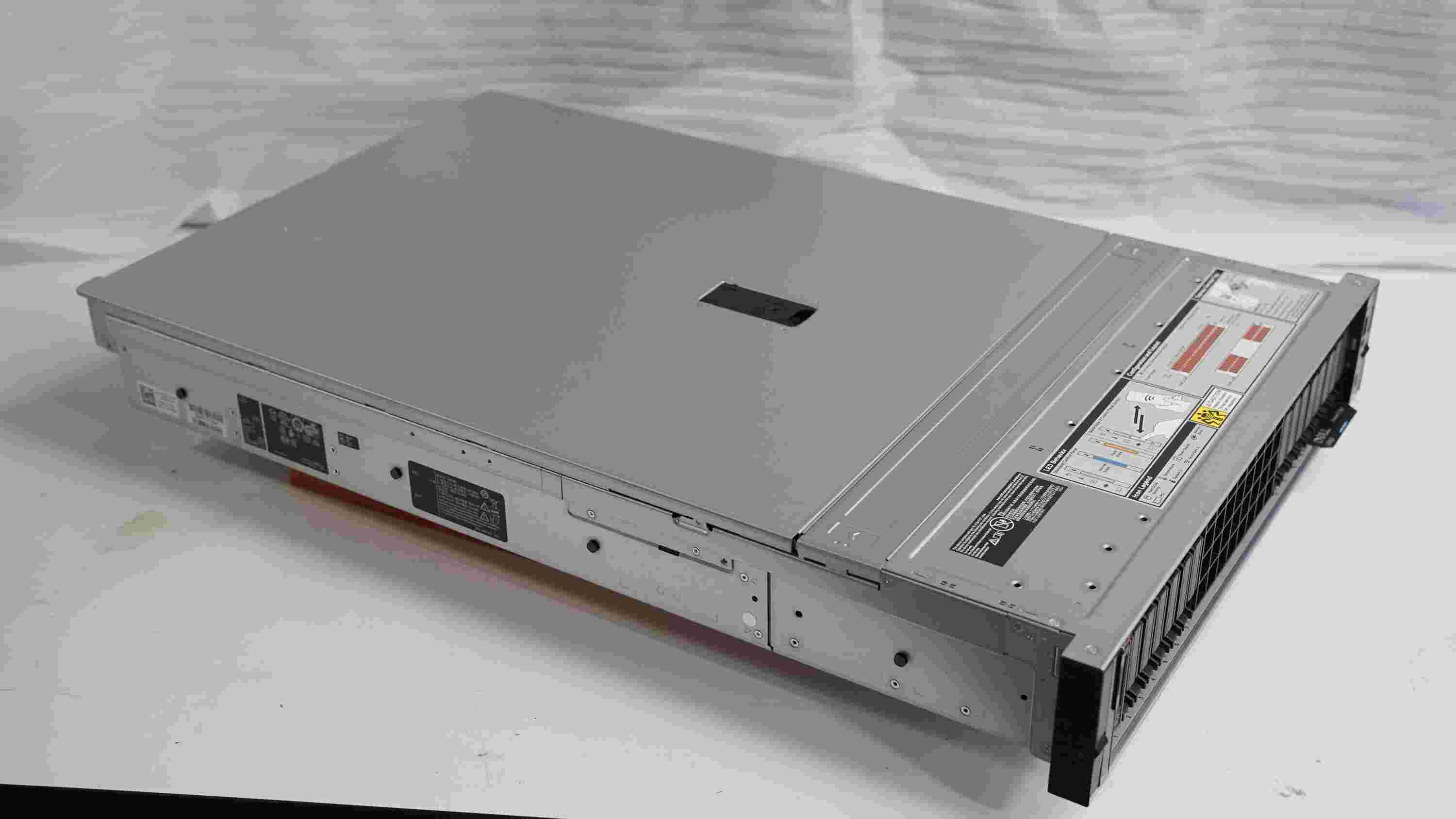
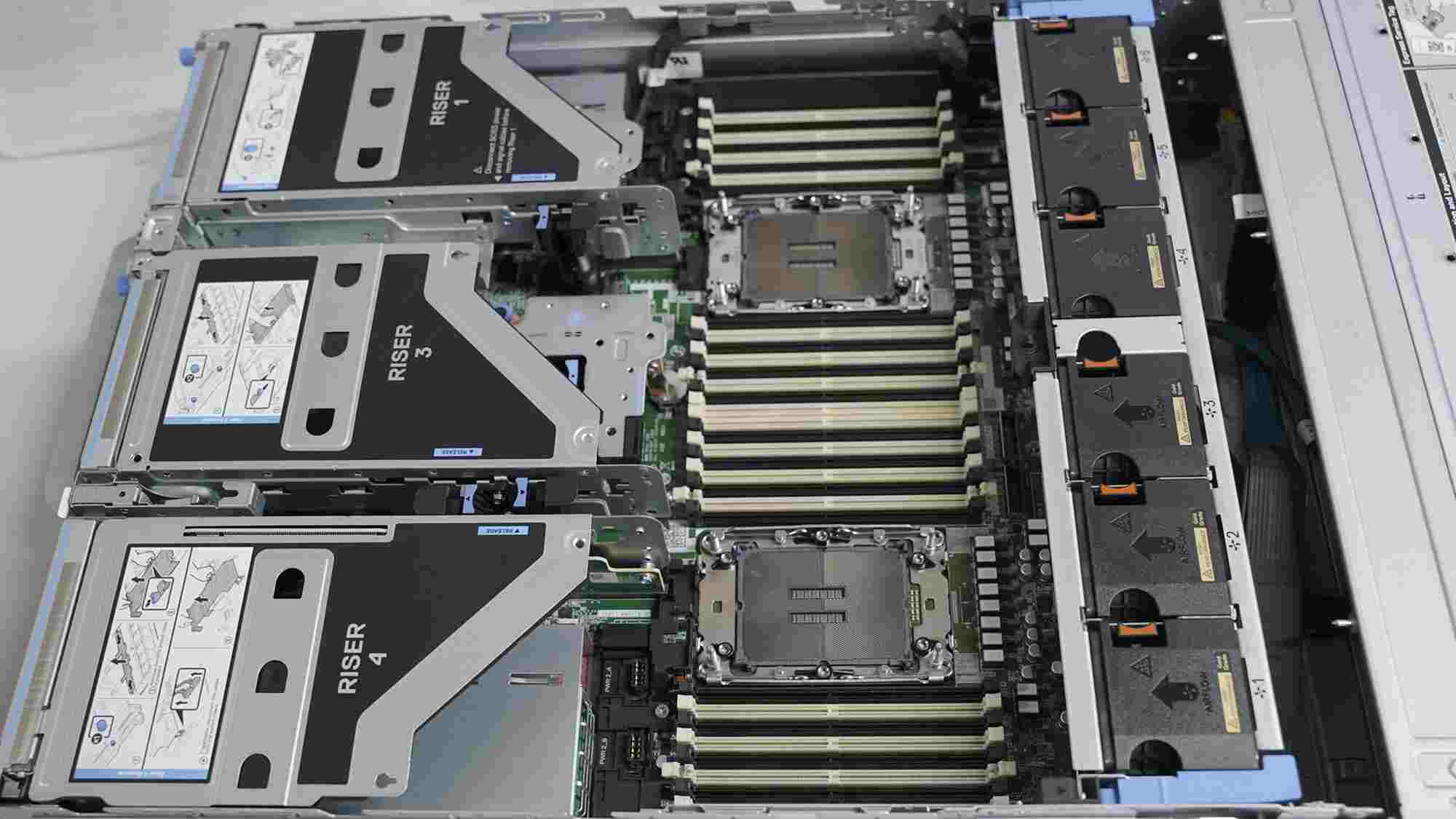
In North American hyperscale data centers, servers run continuously under high compute loads. The focus here is on long-term thermal stability and minimizing cooling energy use. Custom OEM Aluminum PCBs are used in high-power server distribution boards and GPU accelerator sub-assemblies. Thermal expansion must be carefully controlled to prevent failures in high-speed, high-density computing boards, particularly for server architectures like the 2U AMD SP5 and Intel LGA4189 platforms.
European grid regulations require highly efficient solar energy conversion. In industrial photovoltaic (PV) inverters, power transistors (such as IGBTs or SiC MOSFETs) switch at high frequencies, generating concentrated heat. Standard PCBs degrade quickly under these high operating temperatures. VoltDRAM's custom aluminum PCBs, featuring thick copper foils (up to 4 oz) and high-conductivity dielectrics, help ensure that PV inverter systems operate reliably over a 25-year service life in outdoor environments.
In Asia's industrial hubs, MCPCBs are widely used in high-density LED automotive lighting, railway signaling, and factory automation controllers. In these applications, space is limited, making passive dissipation through an aluminum core essential. This setup eliminates the need for heavy, expensive copper heatsinks, allowing for thinner, more compact component designs.
The future of thermal substrate technology is defined by three major trends:
To operate reliably in international markets, aluminum circuit boards must meet strict quality standards. VoltDRAM's engineering processes comply with global certifications to ensure safety and reliability:
UL 94V-0 Flammability Rating: Ensures that all dielectric coatings and laminates are self-extinguishing and meet flame-retardant safety standards for commercial and industrial electronics.
RoHS & REACH Directive Compliance: All raw materials, including the aluminum alloy backing, copper foil, dielectric prepregs, and surface finishes (such as ENIG or OSP), are completely free from restricted hazardous substances.
ISO 9001:2015 & IATF 16949 Standards: VoltDRAM's manufacturing sites operate under strict quality management systems, providing the traceability and process control required by automotive, aerospace, and medical device clients.
Technical answers for engineers, procurement officers, and system designers.
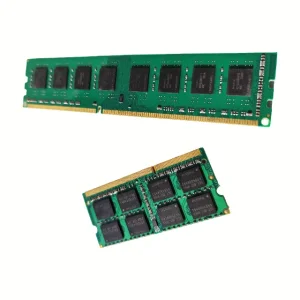
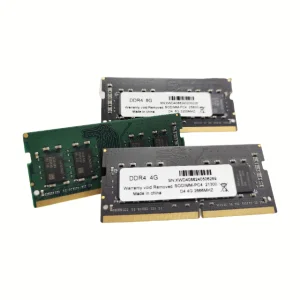
High-performance heatsinks, DDR4/DDR3 memory modules, and passive coolers designed for continuous industrial operation.