VoltDRAM
VoltDRAM
VoltDRAM
Pioneering standard components and customized industrial system blocks engineered for high-availability systems.
The global disinfection landscape is undergoing a critical transition from conventional low-pressure mercury vapor lamps to ultraviolet-C light-emitting diodes (UVC LEDs). Operating within the 200–280 nm spectral window, specifically optimized at 265–275 nm for optimal DNA/RNA absorption, solid-state UVC modules offer unparalleled benefits: mercury-free compliance, zero ozone generation, instant-start cycle tolerance, and minimal spatial footprints.
VoltDRAM Semiconductor Co., Ltd., leveraging its comprehensive semiconductor packaging, high-speed SMT assembly, and strict electrical testing infrastructures, delivers market-leading OEM/ODM solutions. Drawing upon years of rigorous semiconductor memory testing (Burn-In, AOI, electrical margin analysis) and specialized FR4 & MCPCB thermal design, we manufacture custom UVC LED modules engineered for maximum optical efficacy, longevity, and thermal stability.
Note on Engineering Cross-Compatibility: Our experience in high-performance computing (DDR5/DDR4 high-speed routing) enables us to design UVC driver electronics and control boards with superior signal integrity, low EMI, and precise constant-current regulation, addressing the most demanding medical and aerospace requirements.
Modern B2B procurers—including medical device manufacturers, municipal water filtration engineers, smart home appliance OEMs, and industrial automation integrators—face complex engineering challenges when sourcing UVC LED engines:
Strict selection of die wavelengths (265nm to 275nm) to match the absolute peak of microbial DNA absorption spectra for maximum disinfection efficiency.
Application of high-conductivity AlN ceramic substrates and aluminum metal-core PCBs to achieve thermal resistance (Rth) under 8 K/W.
On-board Transient Voltage Suppressors (TVS) and Zener diodes protect sensitive AlGaN chip architectures from ESD and power surges.
VoltDRAM designs and fabricates UVC LED modules tailored to distinct environmental and operational constraints:
As a forward-looking semiconductor specialist, VoltDRAM is actively tracking and developing the next generation of UVC systems. Our product roadmap highlights several key technical evolutions:
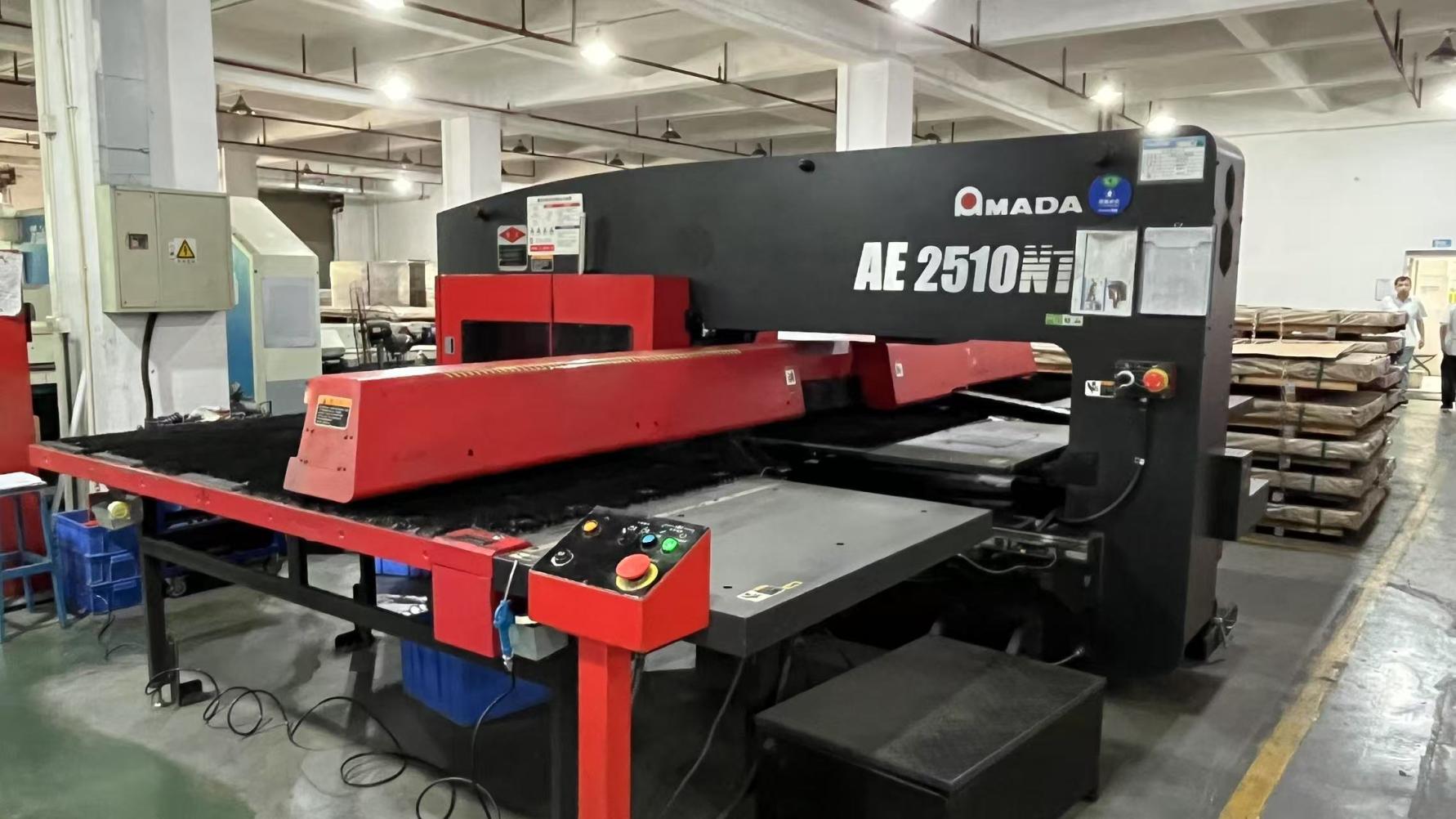
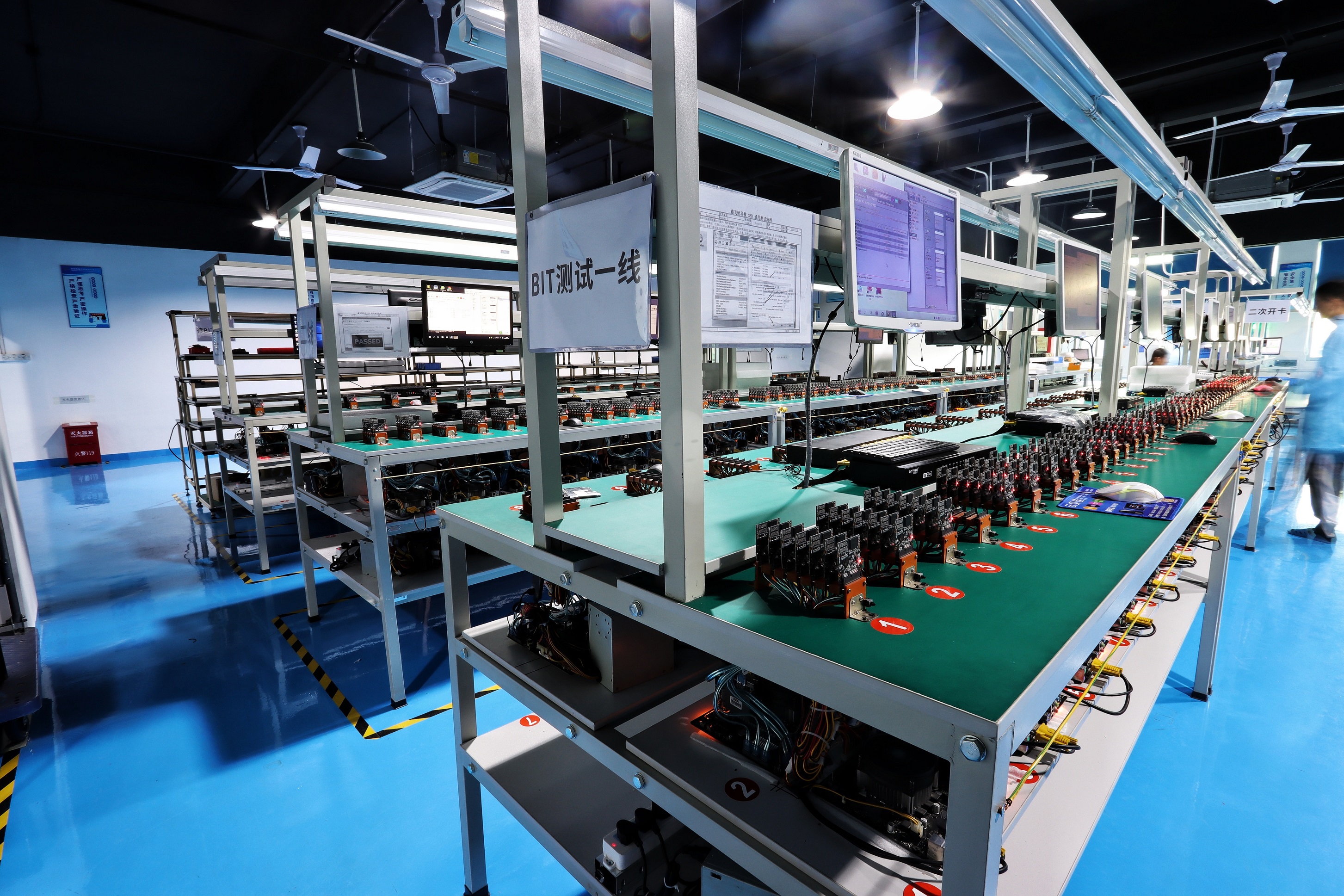
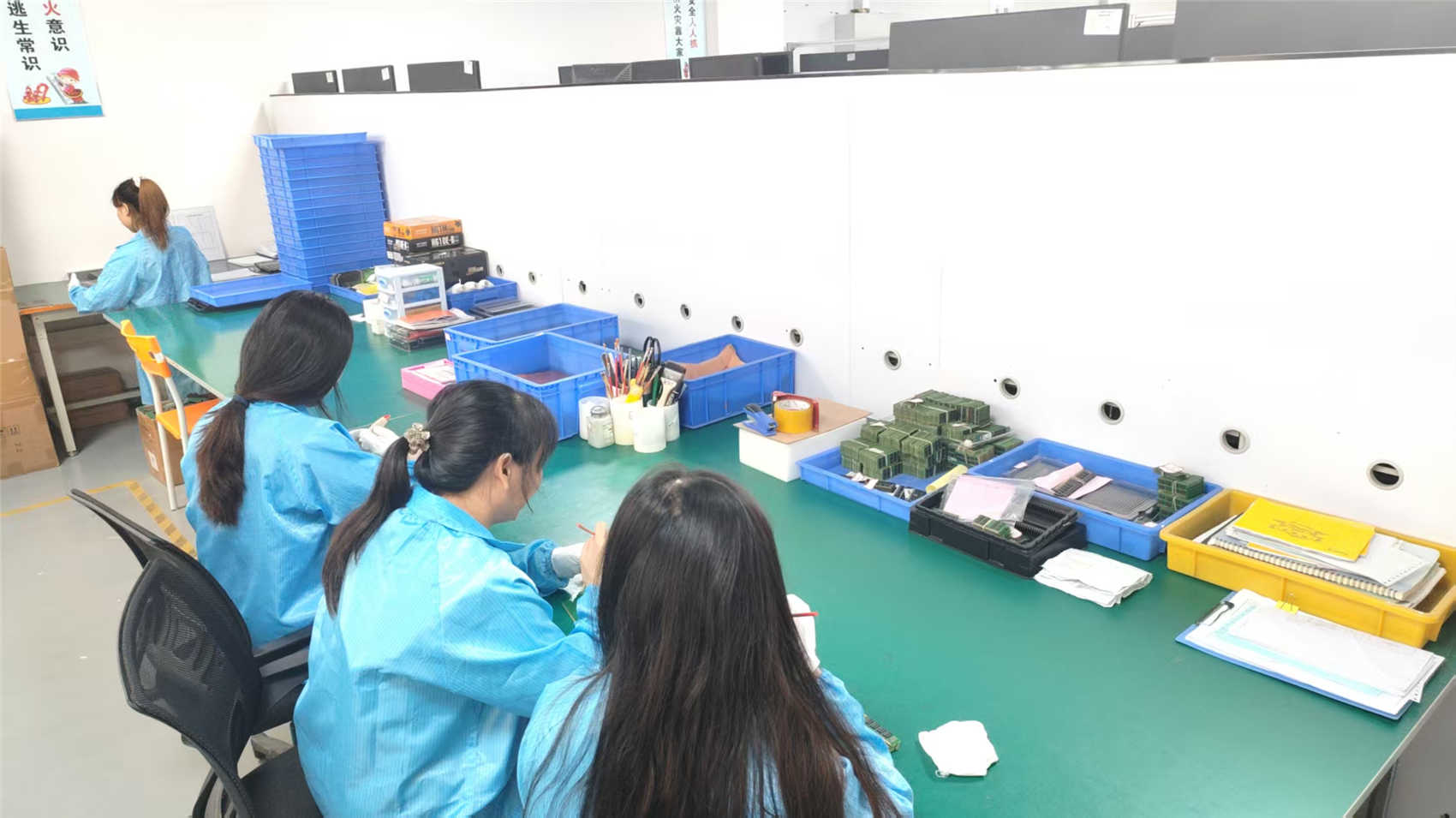
VoltDRAM's core semiconductor facility ranges from 320 to 480㎡ of cleanroom environments, utilizing automated high-precision SMT pick-and-place systems alongside state-of-the-art optical spectroscopy testing rigs. Backed by 6 to 9 years of export experience and 8 to 15 years of industry expertise, our manufacturing workflow integrates comprehensive testing checkpoints:
Addressing complex engineering and procurement queries regarding custom OEM UVC LED modules.
Under optimized thermal design conditions (junction temperature kept below 60°C), our UVC LED modules achieve an L70 lifetime of 10,000 to 15,000 hours. The exact lifetime is highly dependent on continuous operating current, driver efficiency, and the thermal interface materials used between the substrate and system heatsinks.
We utilize high-conductivity Aluminum Nitride (AlN) ceramic substrates coupled with high-conductivity thermal paste and metal core PCBs (MCPCBs). We draw direct design concepts from our high-performance memory heatsink designs to maintain minimal thermal resistance paths, preventing thermal runaway and ensuring stable optical flux.
Yes. We offer customization of wavelength mixtures, combining specific peak outputs at 265nm, 275nm, and 280nm depending on your application (e.g., target micro-organisms or combined germicidal/sensing systems). We also design hybrid UVA/UVC or UVB/UVC boards if required by custom OEM parameters.
All VoltDRAM modules are manufactured in compliance with RoHS, REACH, CE, and FCC guidelines. We implement strict ISO 9001-based quality control procedures. Our testing facilities ensure that trace materials, plastic components, and packaging substrates meet international standards for hazardous substance levels.
Our R&D engineering team (composed of 60 to 300 experienced professionals) uses advanced CAD and optical simulation tools to custom-shape boards, layout connectors, design custom lenses (quartz or silicone), and integrate proprietary driver hardware to fit perfectly into your proprietary containment or reactor systems.
Complementary industrial motherboards, high-frequency DDR5 memory, and custom server accessories designed for global scale.