VoltDRAM
VoltDRAM
VoltDRAM
Explore our high-performance memory modules and specialized cooling components, designed to interface seamlessly with enterprise-level servers and switching fabrics.
In modern enterprise architectures, network switching can no longer be viewed in isolation. As hyper-scale clouds, edge networks, and AI-driven data centers expand, the boundaries between raw computing power (CPU/GPU workloads), volatile memory capacity (DDR4/DDR5), thermal dissipation, and high-bandwidth network fabric have dissolved. At VoltDRAM Semiconductor, we address this transformation head-on. Our engineering expertise spans not only high-speed semiconductor DRAM architectures and server thermal management but also customizable high-density network switching solutions designed for the modern era.
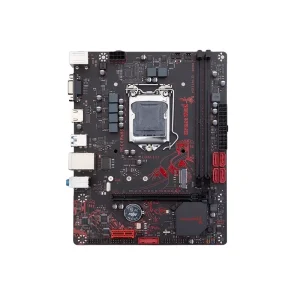
Optimizing system design by integrating memory subsystems, advanced thermal radiators, and high-capacity network switches to prevent signal degradation and latency bottlenecks.
Delivering tailor-made L2+/L3 switching ASICs configured for varying deployment environments—from standard corporate branches to massive distributed public clouds.
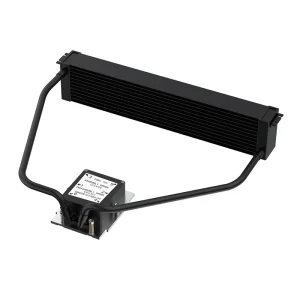
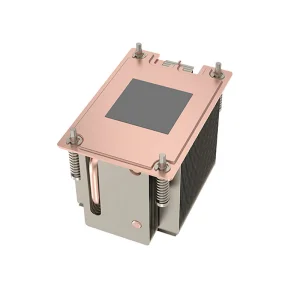
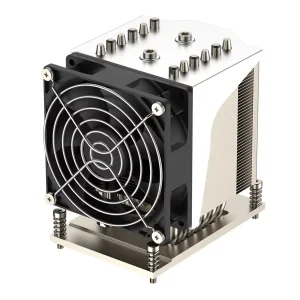
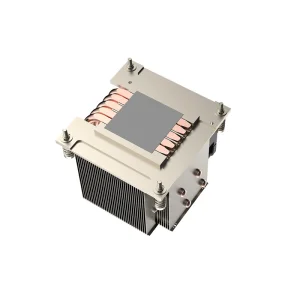
Utilizing custom copper/aluminum cooling plates and radiator designs to dissipate excessive thermal energy generated in tightly packed network rack shelves.
Enterprise procurement managers face a volatile hardware landscape characterized by component shortages, regional compliance mandates, and escalating thermal envelopes. Choosing an OEM/ODM Network Switch partner requires deep transparency, rigorous quality management systems, and a robust supply chain footprint. VoltDRAM operates at the apex of these requirements, blending top-tier Chinese manufacturing efficiencies with high-level international engineering standards.
Located at the heart of the global electronics supply chain, our manufacturing facility coordinates directly with over 1,500 semiconductor, PCB, and metal fabrication partners. This network guarantees unparalleled lead times, lower raw material procurement costs, and rapid prototyping capabilities that outpace western competitors by weeks.
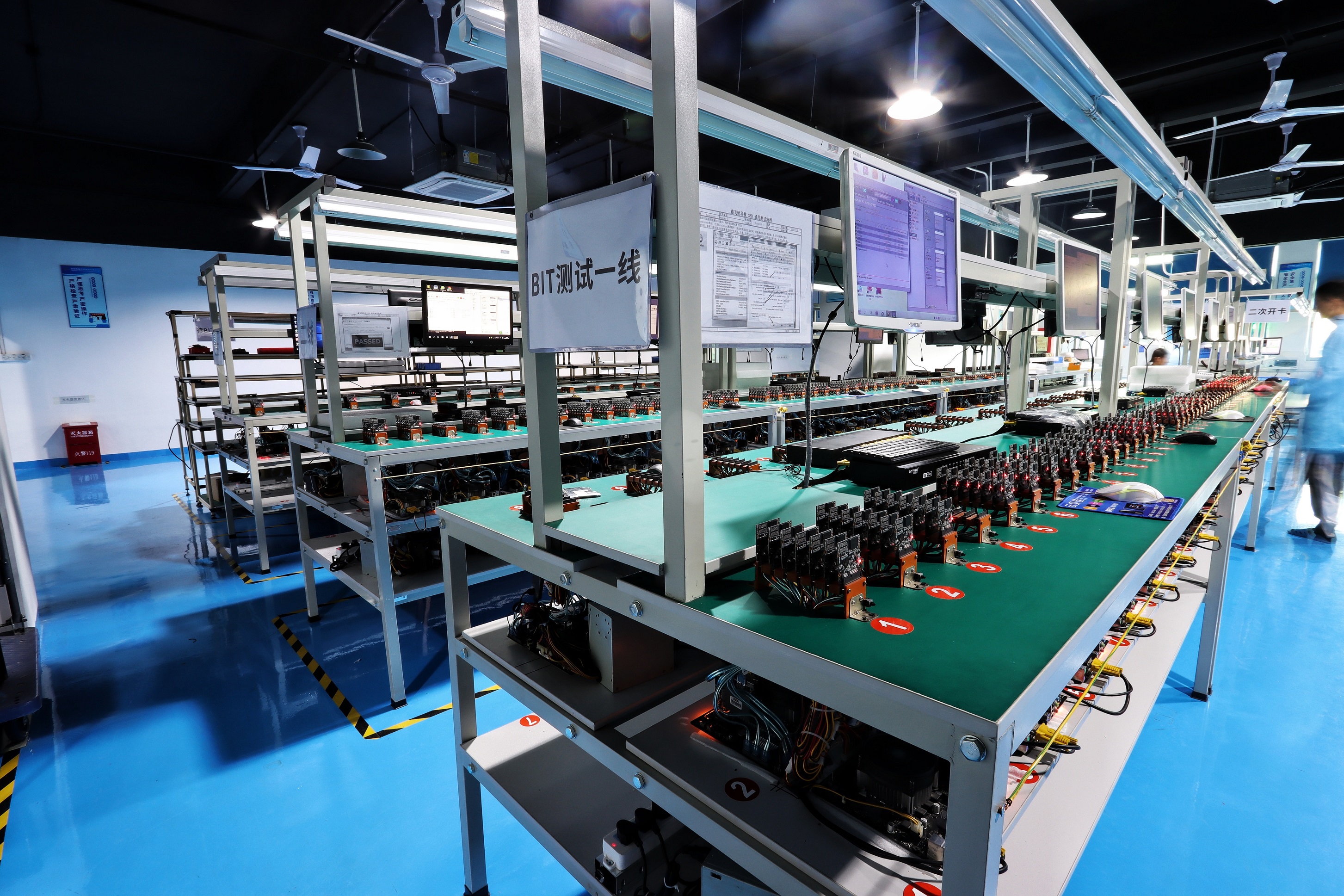
Every network switch, memory module, and radiator undergoes a strict quality protocol. Combining Automated Optical Inspection (AOI), high-speed circuit simulation (Ansys HFSS), signal integrity measurements, and thermal stress tests ensures a Mean Time Between Failures (MTBF) exceeding 100,000 operational hours.
From custom logo silkscreens and housing designs to deeply customized software features (ONIE, Open Network Install Environment, customized Linux OS, or proprietary L3 routing algorithms), we adapt to your precise specifications, scaling production dynamically from pilot runs to thousands of units.
We provide design, validation, and manufacturing services spanning physical layers, custom PCBs, and chassis cooling configurations. Review our structural capacities below:
| Specification Feature | ODM Baseline Options | OEM Enterprise Customization Level |
|---|---|---|
| Port Configurations | 1G / 10G / 25G / 100G RJ45 & SFP+ Base | Multi-Gigabit PoE++ (up to 90W), 400G QSFP-DD Uplinks |
| Chipset Options | Standard Broadcom/Marvell/Realtek reference boards | Custom ASIC selections with hardware packet acceleration |
| Layer Support | Layer 2 / Layer 2+ Managed base code | Layer 3 Enterprise (OSPF, BGP, IPv6 routing, VXLAN) |
| Operating Systems | Vendor-supplied custom SDK / Firmware | ONIE-compliant open networking, Cumulus Linux, SONiC integration |
| Thermal & Enclosures | 1U Fanless standard sheet metal casings | Hot-swappable dual fans, custom high-performance copper heat sinks |
To secure a competitive advantage in global search engines and enterprise deployment pipelines, we continuously monitor and integrate emerging technical network design standards into our manufacturing processes. Here are the core forces transforming network designs:
Edge deployment nodes require ruggedized form factors with extreme tolerance for high ambient heat, physical vibration, and fluctuating power inputs. Our switches incorporate specialized industrial passive cooling solutions to maintain performance under extreme external stressors.
IoT systems, high-definition IP cameras, and Wi-Fi 7 access points require massive electrical transmission budgets over copper cables. VoltDRAM OEM solutions feature intelligent power management ICs (PMIC) to scale from 15W up to 90W per port dynamically.
With data centers prioritizing carbon footprint reduction, we optimize routing ASIC idle states and deploy power-saving algorithms compatible with IEEE 802.3az Energy Efficient Ethernet (EEE) standards to trim operating expenditures.
VoltDRAM Semiconductor Co., Ltd. is a professional DDR5 memory manufacturer specializing in high-performance DRAM solutions for servers, PCs, and data center applications. The company was registered between 2015–2018 and has rapidly developed into a reliable global supplier in the memory industry.
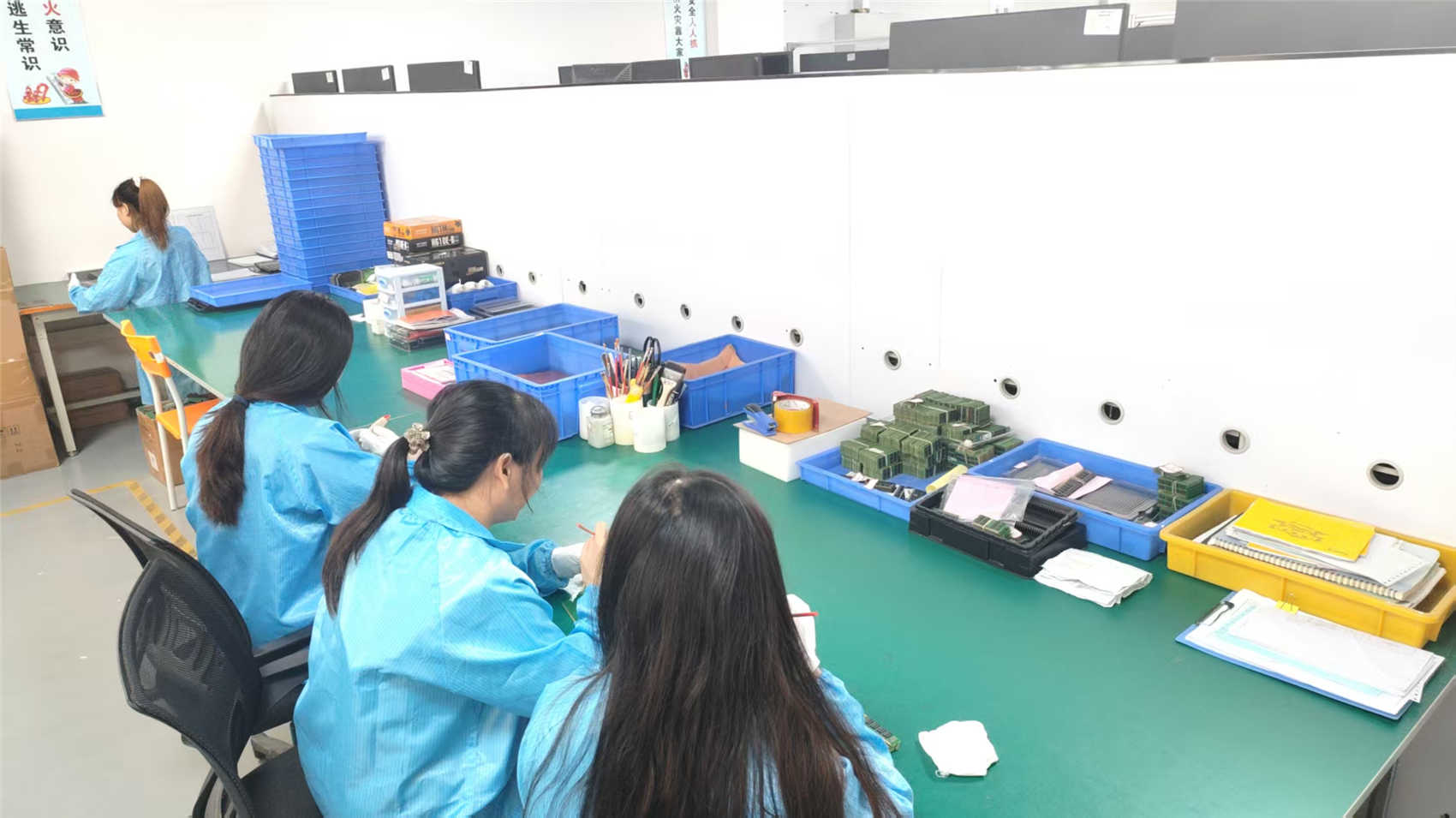
Our manufacturing facility covers an area of approximately 320–480㎡, equipped with advanced production and testing lines. We generate an annual export revenue of around USD 8–18 million, with 6–9 years of export experience and 8–15 years of industry expertise in semiconductor memory development and manufacturing.
Quality is at the core of VoltDRAM. We implement strict ISO-based quality management systems, combined with automated optical inspection (AOI), electrical performance testing, burn-in testing, and reliability stress testing to ensure stable product performance. Our quality control team consists of 35–80 experienced inspectors, ensuring every batch meets international standards.
With a strong international trade background, VoltDRAM mainly serves markets in North America, Europe, Southeast Asia, and the Middle East. We maintain long-term cooperation with over 600–1,500 supply chain partners, supporting a stable and efficient production ecosystem.
Our customers include OEM/ODM brands, system integrators, data center operators, and industrial computer manufacturers. We have strong R&D capabilities focused on high-speed DDR5 architecture optimization, signal integrity improvement, and power efficiency design. We also provide full customization options, including PCB design, memory capacity configuration, frequency tuning, and branding solutions. Each year, we launch approximately 120–450 new product variants, supported by a dedicated R&D team of 60–300 engineers.
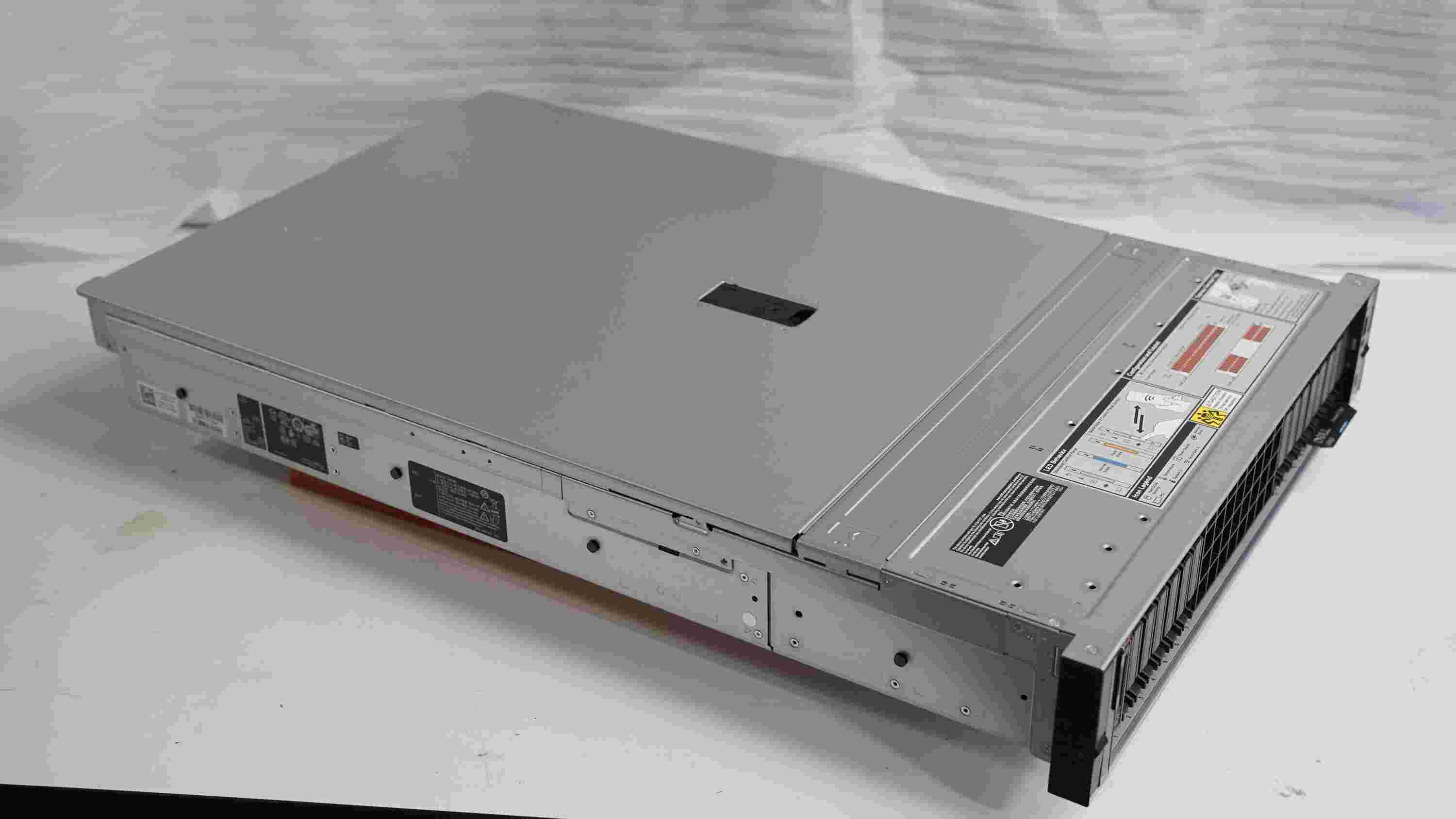

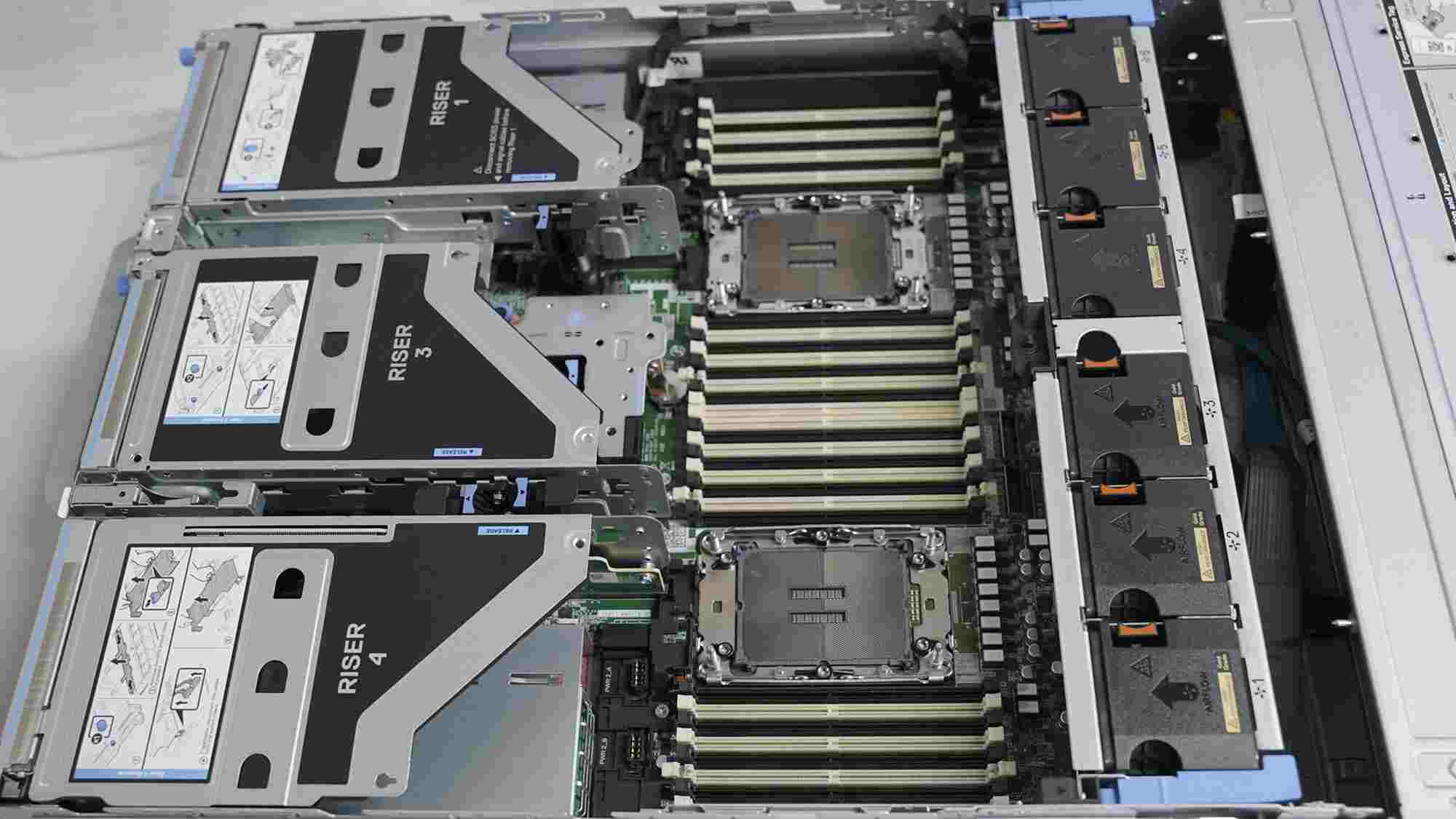
Deploying networking equipment across international borders requires stringent alignment with regulatory bodies. As an OEM/ODM supplier, VoltDRAM offers comprehensive compliance pre-screening and hardware certification, ensuring that the customized network switches and internal DRAM modules seamlessly integrate into your region's critical network grids.
All network and compute hardware designed at our facilities can be configured to comply with CE, FCC Class A/B, RoHS, VCCI, and UL safety directives. We assist in certification logistics, providing engineering reports and test files directly to global certification agencies.
To bridge operational gaps, we offer customized SLAs providing tier-3 remote support, localization of software control interfaces (Web GUI in English, German, French, Spanish, etc.), and local RMA collection hubs in key markets across North America and Europe.
Network switches deployed in sensitive enterprise domains require localized security configurations. We support the implementation of domestic cryptographic standards, localized firmware upgrade processes, and local TACACS+/RADIUS integrations.
Deep insights into our manufacturing processes, ODM networking capabilities, memory integrations, and export configurations.
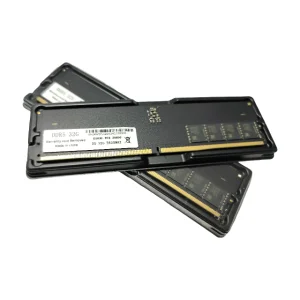
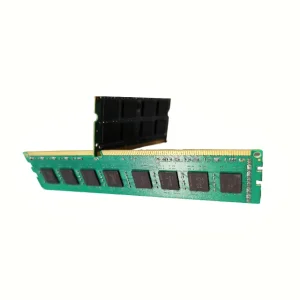
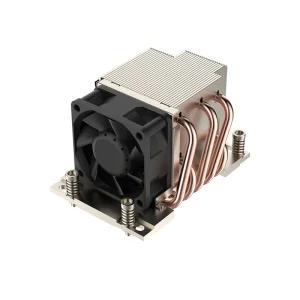
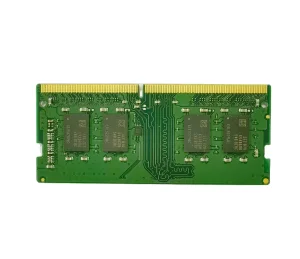
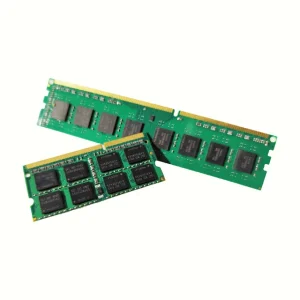
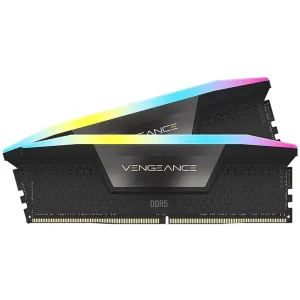
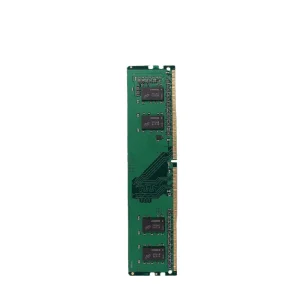
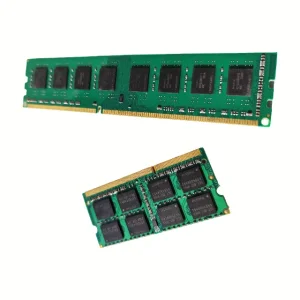
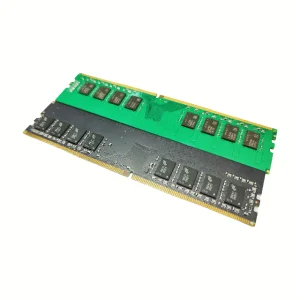
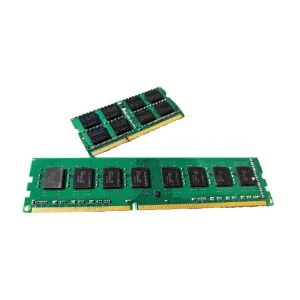
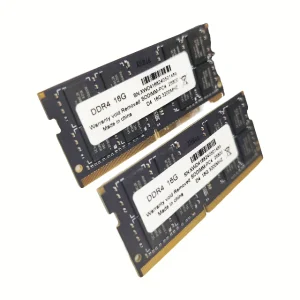
Select from our premium lineup of high-frequency desktop memory modules, ECC laptop memories, and advanced copper-based server CPU heat dissipators.