VoltDRAM
VoltDRAM
VoltDRAM
High-performance computational and thermal engineering parts powering standard cloud storage infrastructures.
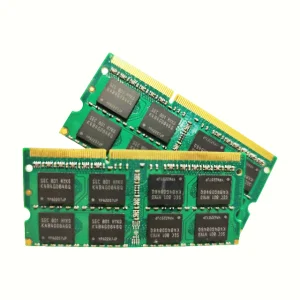
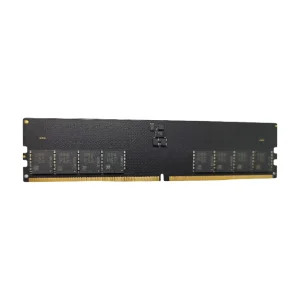
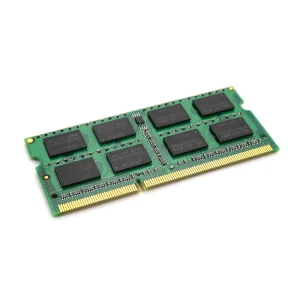
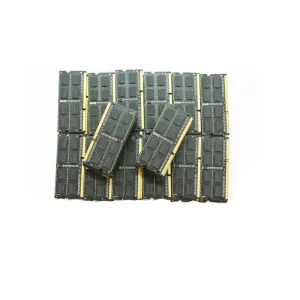
Modern data centers and hyperscalers do not exist in a vacuum of software. The foundation of the global digital economy rests on high-availability, high-performance physical hardware ecosystems. To support artificial intelligence, machine learning, distributed relational databases, and multi-tenant cloud storage engines, original hardware factories must deliver compute and storage nodes with uncompromising specifications. This whitepaper analyzes the top 10 factors that define elite cloud storage system factories, the structural advantages of the East Asian supply chain (specifically China's advanced manufacturing hubs), and the component-level requirements vital to modern system design.
Information Gain Perspective: While standard buyer guides focus only on vendor brand names, true operational resilience lies in the semiconductor assembly, motherboard layout, and thermal dissipation metrics of OEM/ODM factories. Selecting a cloud storage factory is a micro-architectural evaluation of DRAM routing, PCB copper thickness, and thermal boundary performance.
As enterprise networks transition from traditional Hard Disk Drive (HDD) JBOD pools to high-throughput NVMe-over-Fabrics (NVMe-oF) architectures, component metrics such as PCIe Gen 5 routing, memory signal integrity, and efficient heat exchange determine the actual system reliability. By looking closely at the hardware production lines, global enterprise sourcing teams can mitigate systemic failures at scale.
Evaluating raw manufacturing capability requires examining precise manufacturing variables rather than marketing claims.
Precision Surface Mount Technology (SMT) lines capable of mounting multi-layered high-density components (like BGAs and ultra-micro pitch connectors) with a defect rate below 5 PPM.
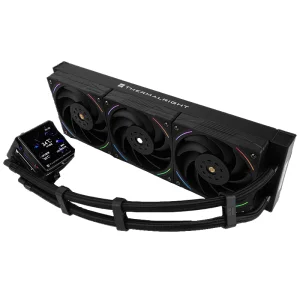
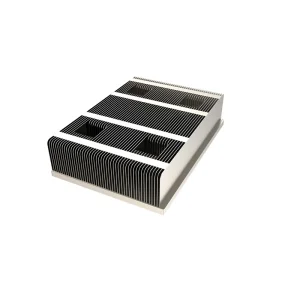
Integration of specialized heatsinks (including 120W BGA coolers and copper-aluminum composite fins) with low thermal resistance coefficients to prevent throttling under massive parallel IOPS.
Testing impedance control in high-speed lanes (PCIe Gen 5 / DDR5 memory) to eliminate signal degradation and electromagnetic interference in multi-channel configurations.
Automated Optical Inspection (AOI) coupled with long-duration chamber burn-in testing under thermal and voltage stress to eliminate infant mortality rates of memory modules and motherboards.
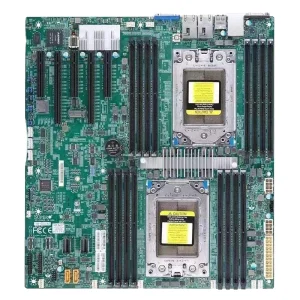
Flexibility to re-engineer dual-channel motherboard architecture (e.g., H11DSI-NT layouts) to optimize spacing for memory sticks, power delivery (PMIC), and expansion slots.
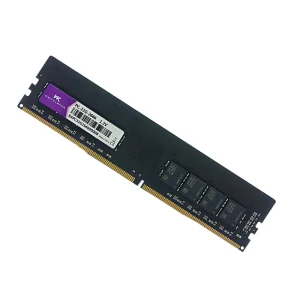
Direct relationships with tier-1 DRAM foundry providers (Samsung, SK Hynix, Micron) ensuring authentic, high-bin die selection for DDR4 and DDR5 memory modules.
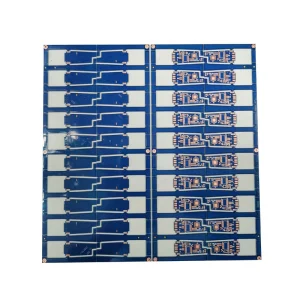
Proficiency in fabricating double-layer and complex multi-layer boards designed with high Tg materials to guarantee longevity under continuous compute load.
Global certifications (CE, FCC, RoHS, ISO9001) that guarantee hardware meets ecological, emissions, and safety parameters demanded by western markets.
Integration of onboard Power Management ICs (PMIC) on modern DDR5 RAM and VRMs on motherboards to regulate voltage locally, lowering energy consumption.
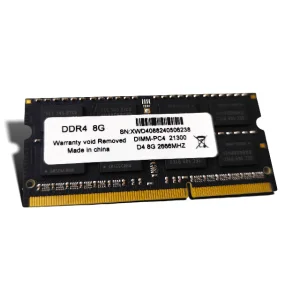
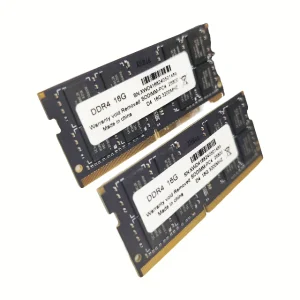
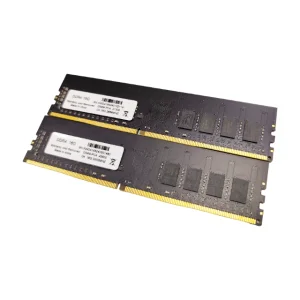
Ability to generate multiple component variants (DDR4/DDR5 in 8GB, 16GB, 32GB, 5600MHz, 6000MHz) simultaneously, preventing bottlenecks in customization requests.
The global center of gravity for electronics assembly lies in China's industrial clusters. In the realm of server memory and cloud storage componentry, China offers unmatched integration benefits that translate to significant cost savings, rapid iteration, and reliable quality control.
Clustered Component Ecosystem: From raw copper fabrication and multi-layer PCB printing to advanced semiconductor packaging and logic design, everything exists in close proximity. Factories can prototype a custom dual-channel server motherboard or a performance laptop memory module within days instead of weeks.
Labor Expertise & Advanced Automation: China's industrial base has evolved from basic assembly to high-precision robotic SMT integration, utilizing automated optical systems (AOI) to trace microscopic circuit paths on complex computing platforms.
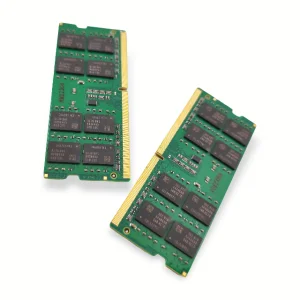
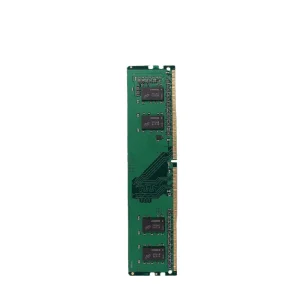
To understand how a specialized supplier functions within the cloud storage system supply chain, we look at the operational parameters of VoltDRAM Semiconductor Co., Ltd., a manufacturer of high-performance DRAM solutions for servers, PCs, and data center platforms.
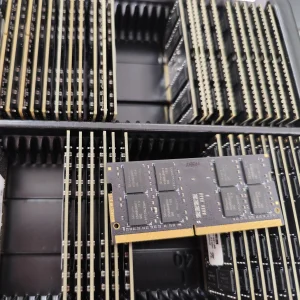
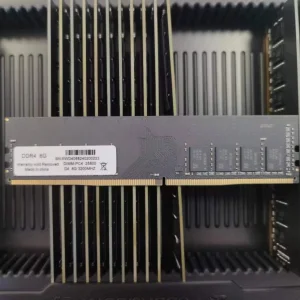
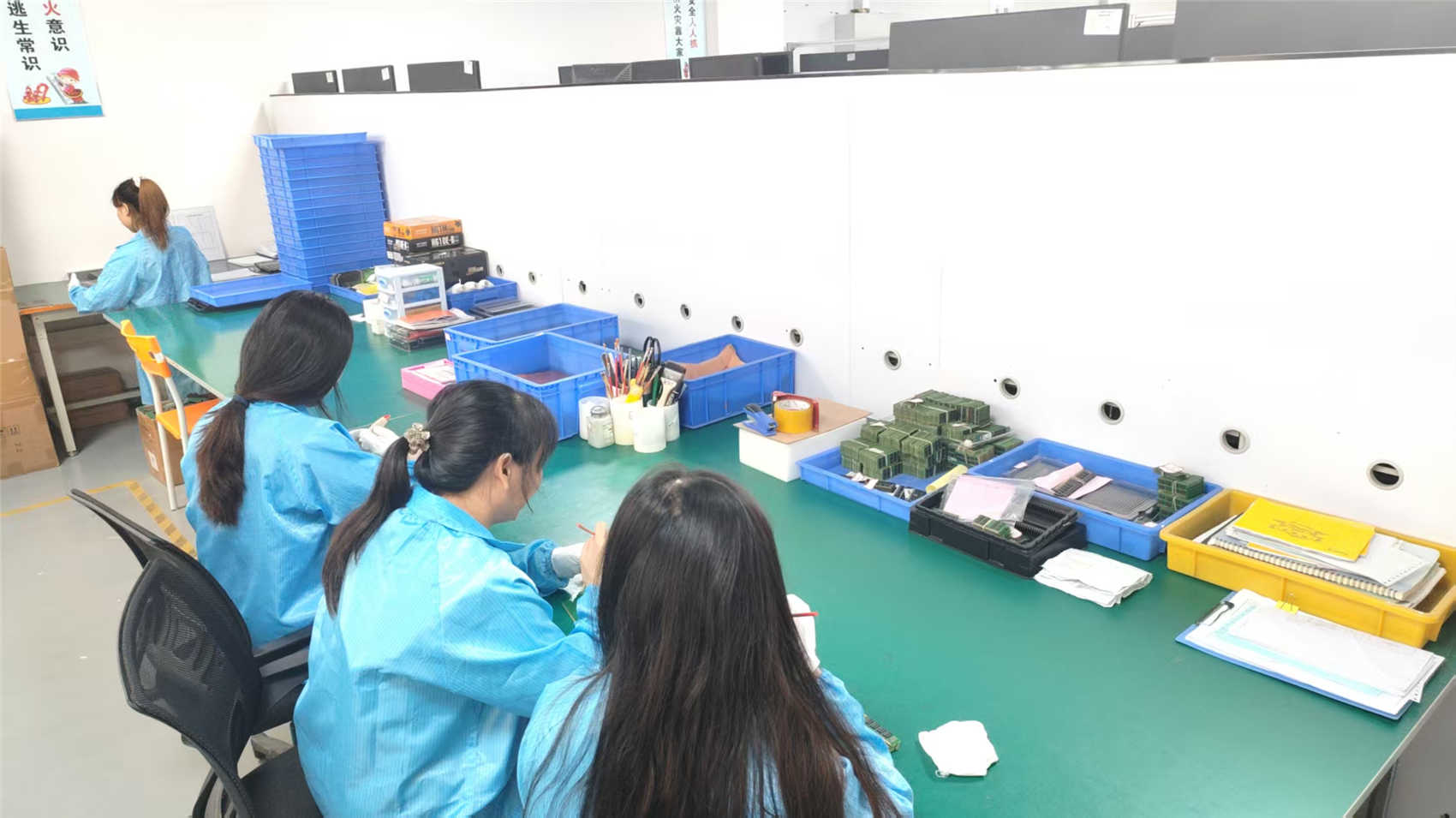
VoltDRAM Semiconductor specializes in high-performance memory configurations. Our production plant features cleanroom environments equipped with advanced mounting lines. By implementing strict ISO-based quality management frameworks, VoltDRAM tests memory modules through electrical validation, thermal stress chambers, and automated optical inspections.
Serving OEM/ODM brands, system integrators, and hyper-scale operators worldwide, VoltDRAM provides full customization options. This includes high-frequency tuning, custom PCB design, and memory capacity configurations. Every year, VoltDRAM introduces between 120 and 450 new product variants, ensuring rapid adaptability to emerging DDR5 protocols.
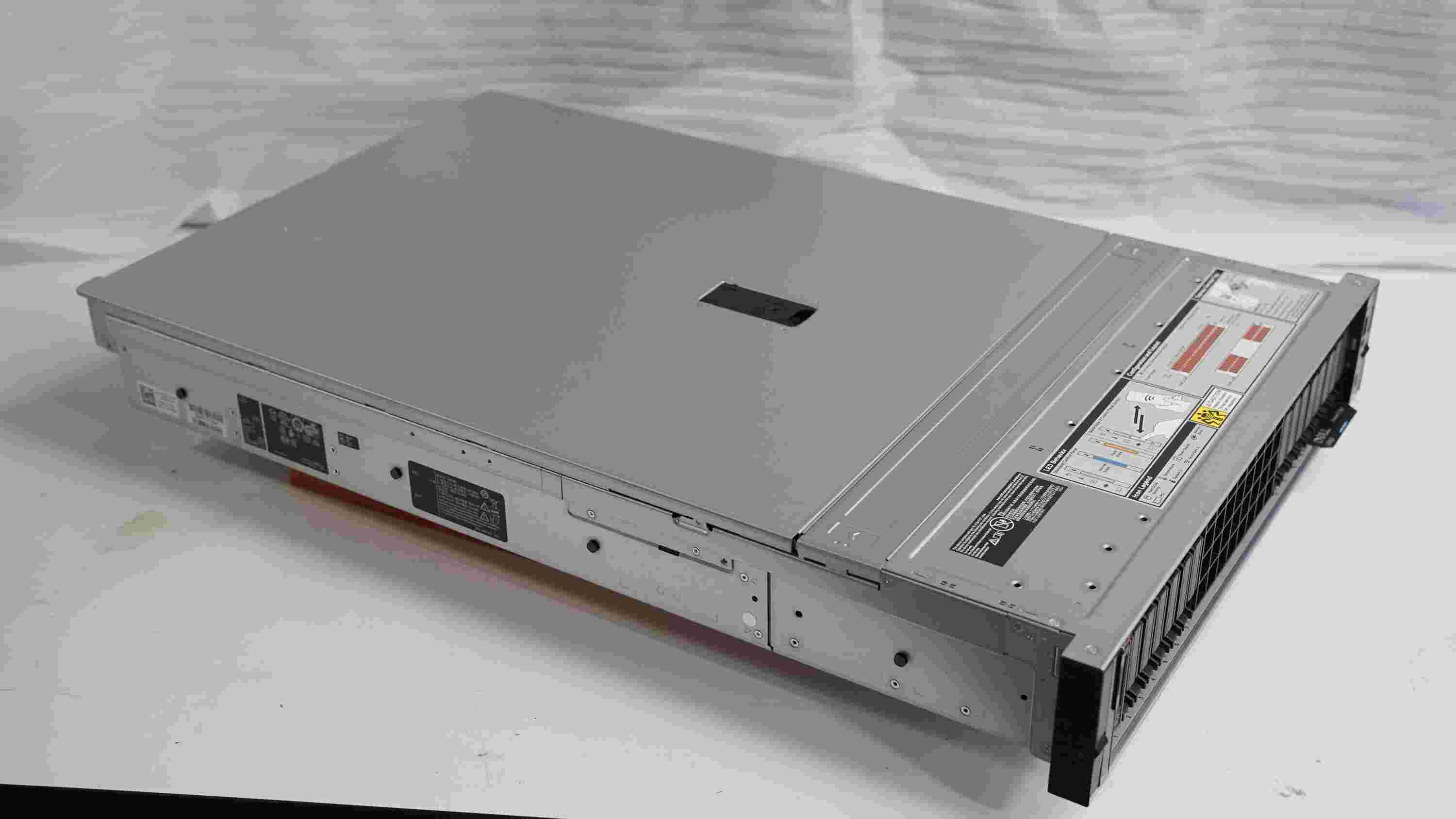
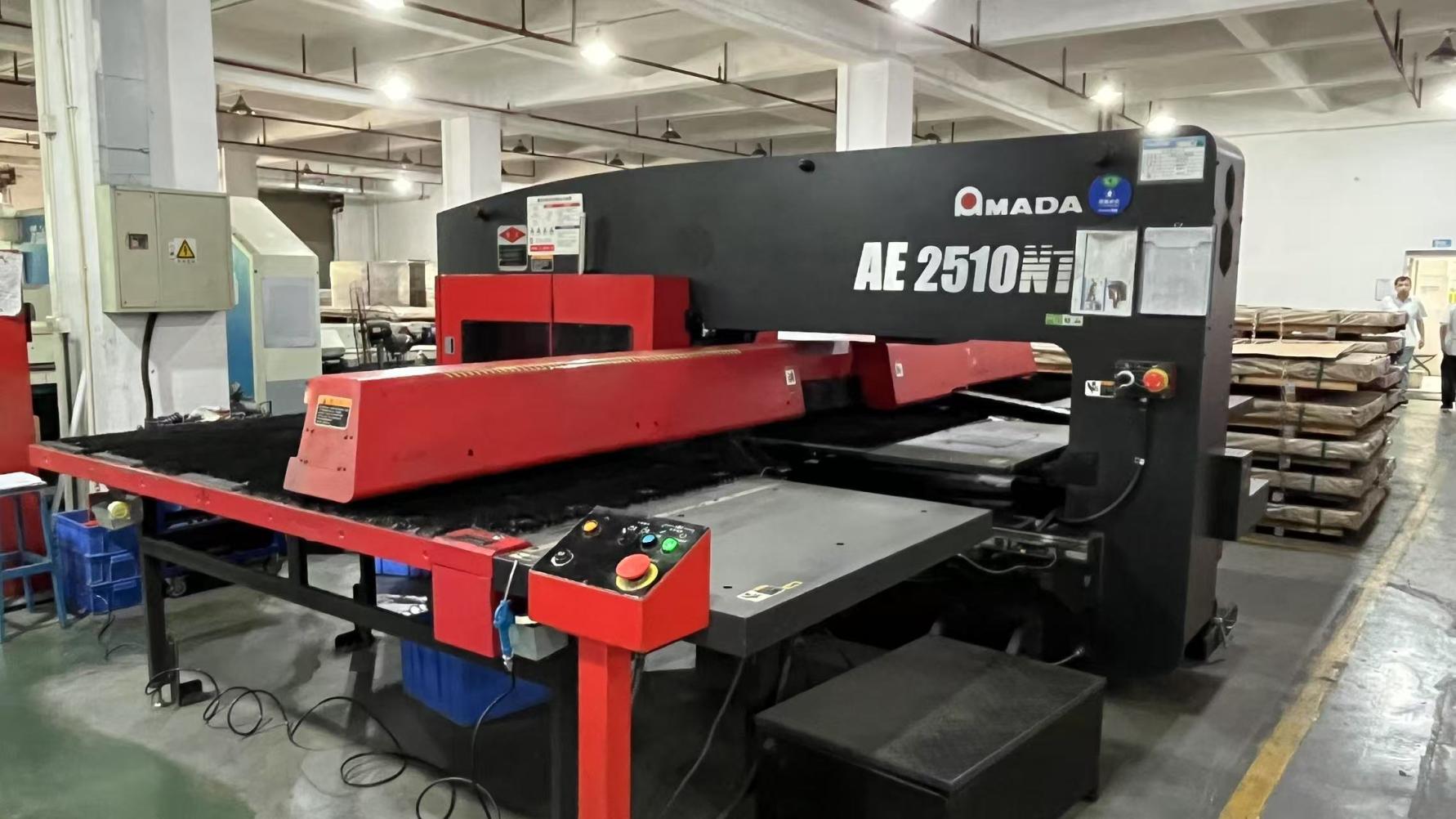
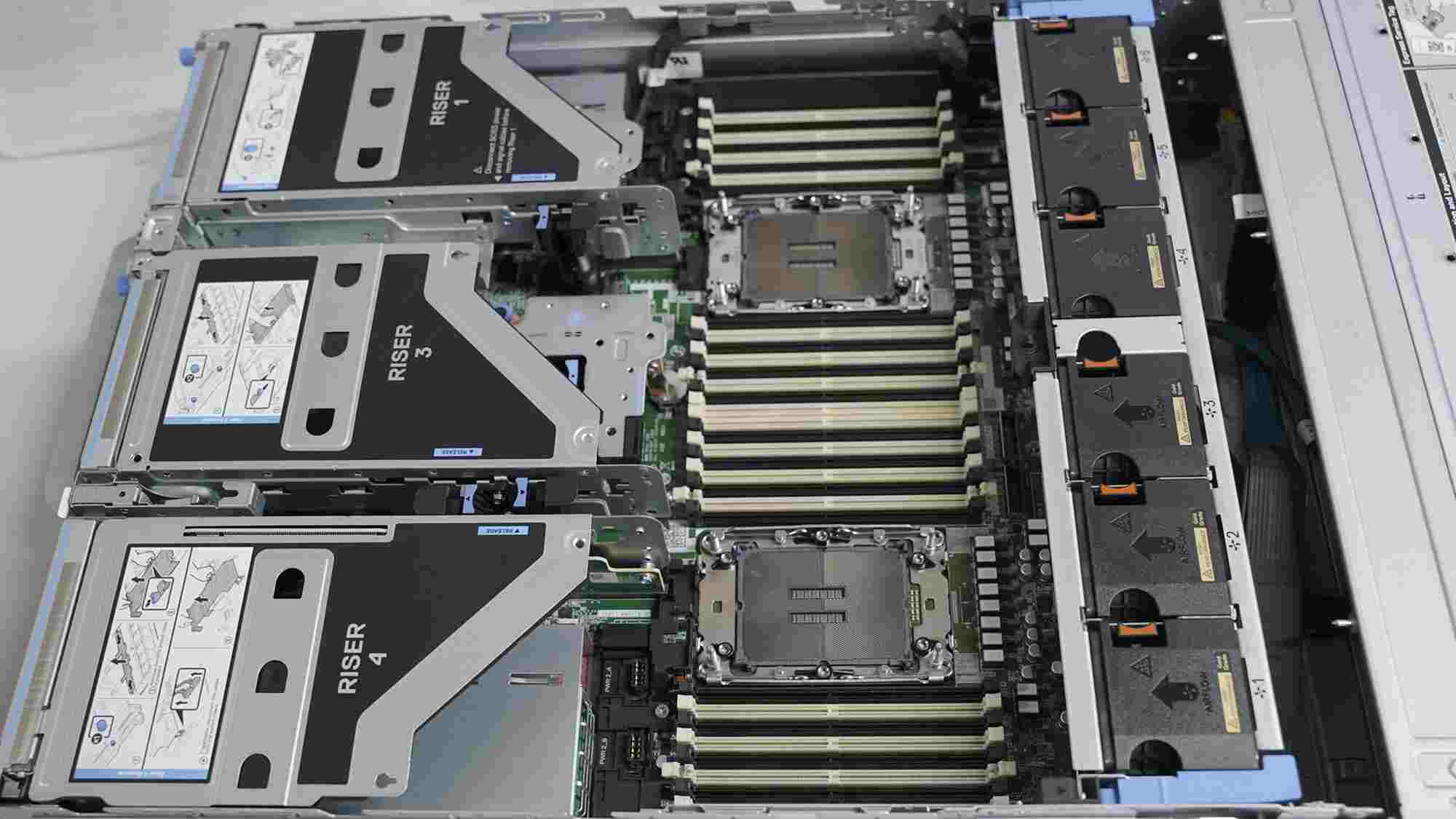
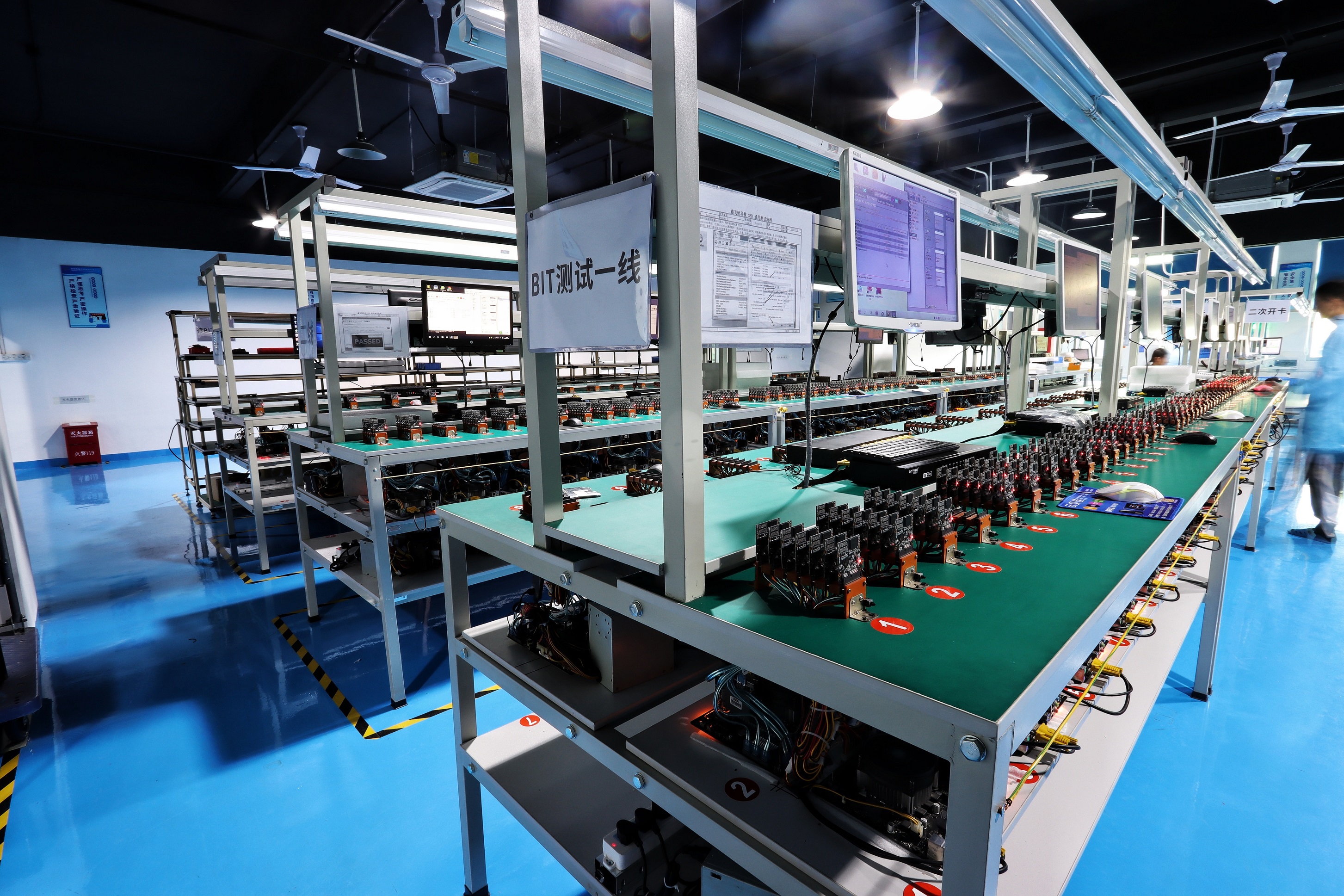
Cloud storage hardware solutions must adapt to specific operational environments. A high-density server array deployed in a standard centralized hyperscaler facility faces different stress profiles than a rugged server running edge workloads on a production floor.
High-frequency deep learning models demand high-bandwidth memory (DDR5 5600MHz+) and robust motherboard signaling. VoltDRAM memory designs minimize latency spikes when processing trillions of data parameters.
Edge compute units require physical resilience against humidity, dust, and temperature variations. Solid-state platforms paired with high-efficiency heatsinks allow fanless configurations in industrial settings.
CDNs require high storage densities and fast read speeds. Standardizing server builds with ECC-enabled memory ensures continuous operation without system halts caused by bit-flip errors.
International procurement teams require transparency. Modern hardware sourcing involves rigorous supply chain vetting to guarantee compliance. This includes testing component-level materials, auditing factory capacity, and verifying SMT process standards.
The hardware landscape is shifting to address the demands of artificial intelligence and high-velocity database access. Below are the key technological advancements reshaping storage manufacturing lines:
Compute Express Link (CXL) enables memory sharing across devices, reducing communication bottlenecks between processors and dedicated hardware pools.
As components run hotter, manufacturers are integrating advanced cooling paths directly onto motherboards, including direct-to-die liquid plates and hybrid copper-aluminum fins.
Global standards require factories to minimize volatile organic compounds and adopt lead-free wave soldering, alongside optimizing energy use in cleanrooms.
ECC memory automatically detects and corrects single-bit memory errors, preventing system crashes and data corruption. This is critical for enterprise cloud nodes that operate continuously, where unplanned downtime or silent data corruption must be avoided.
High operating temperatures degrade silicon over time and accelerate electromigration. Incorporating high-conductivity copper-aluminum coolers and server-grade heatsinks reduces thermal resistance, keeping operating temperatures within safe limits for continuous use.
DDR5 doubles the bandwidth compared to DDR4, starting at 4800MHz and scaling above 6000MHz. It also features onboard power management ICs (PMICs) for improved energy efficiency and local voltage control, which reduces overall power distribution complexity on the server board.
Custom motherboards allow designers to optimize component layout, PCIe lane routing, and power distribution paths to fit specific server chassis. This alignment improves airflow, reduces signal interference, and enables higher computational density in standard rackmount setups.
Standard memory modules, cooling structures, and controller elements supporting storage platforms.