VoltDRAM
VoltDRAM
VoltDRAM
Browse our select line of critical data center components, semiconductor devices, and structural assemblies designed for 24/7 reliability.
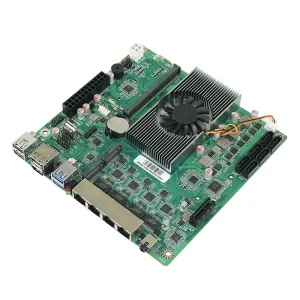
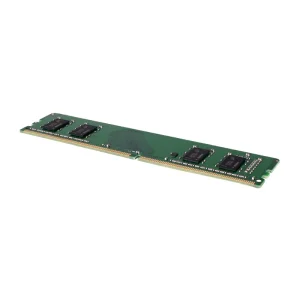
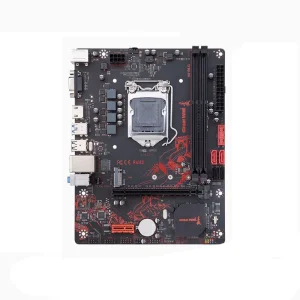
In an era dominated by artificial intelligence (AI), machine learning (ML), high-performance computing (HPC), and hyper-scale cloud data centers, the necessity for robust energy infrastructure has never been more critical. The power distribution architecture within server racks represents the final, vital link between grid-level electricity and high-frequency silicon compute platforms. This whitepaper analyzes how Power Distribution Units (PDUs) serve as the foundation of modern uptime strategies, thermal control, and operational efficiency.
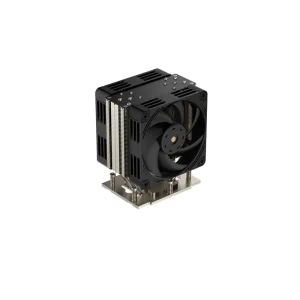
Traditionally, power distribution within a rack cabinet was treated as a mechanical routing task. Standard basic power strips delivered voltage without intelligence or telemetry. However, modern high-density environments, utilizing components like 400W server CPU coolers and multiple high-power motherboard setups, consume tremendous currents within localized enclosures. High-density deployments demand active management.
A failure at the rack level can lead to catastrophic cascading outages, impacting business continuity. Intelligent PDUs (iPDUs) incorporate smart metering, remote outlet switching, environmental sensing, and robust network integration. By capturing real-time current, voltage, active power, apparent power, and power factor data, system operators can prevent circuit overload conditions and optimize their Power Usage Effectiveness (PUE) down to the decimal point.
VoltDRAM Semiconductor Co., Ltd. applies its deep expertise in high-frequency motherboard engineering, thermal management components, and ISO-certified electronics manufacturing to deliver reliable, high-grade PDU products. From standard zero-U vertical strips to smart, networked switched units, our designs support dense arrays of compute loads while maintaining safety standards.
The Silicon-Power Interconnection
High-performance compute clusters require stable, low-noise power delivery. Fluctuations in input voltage directly affect high-frequency components such as DDR5 ECC memory arrays and multi-socket CPU systems. Systemic reliability is a combination of clean input power from intelligent PDUs and clean local conversion on motherboards. VoltDRAM bridges this gap by designing power systems with extreme signal integrity.
The worldwide demand for Power Distribution Units is accelerating due to the expansion of edge nodes and hyperscale structures. Industrial, medical, commercial, and telecommunication sectors are adapting their power profiles to handle next-generation computing hardware.
Modern AI hardware clusters can pull up to 40kW to 100kW per cabinet. Standard single-phase distribution is no longer sufficient. Industry operators are shifting toward three-phase Delta and Wye inputs at higher voltages (e.g., 415V AC or 240/415V), which require engineered PDUs with high-amp capacity, hydraulic-magnetic circuit breakers, and branch circuit monitoring to safeguard hardware investment.
Distributed edge infrastructure is often deployed in remote, unstaffed locations. In these environments, switched PDUs are vital. They allow network administrators to cycle outlets remotely, performing cold reboots on frozen servers without deploying service technicians, reducing overall operating costs.
Modern data centers function as unified software-defined architectures. Modern PDUs integrate with Data Center Infrastructure Management (DCIM) tools via protocols like SNMP v3, Modbus TCP, and RESTful APIs, enabling real-time monitoring of energy consumption patterns and proactive maintenance before circuit failures occur.
China remains the global hub for high-efficiency electronics and power distribution manufacturing. For global buyers, partnering with a Chinese supplier offers significant competitive advantages across the product lifecycle.
The primary advantage lies in complete supply chain integration. In manufacturing regions like Guangdong and Zhejiang, all core components—including pure copper busbars, high-end circuit breakers, heat-resistant polymeric chassis, intelligent PCB controllers, and digital display panels—are sourced within a narrow radius. This proximity reduces transit times, speeds up development iterations, and lowers logistics costs.
Additionally, the rapid prototyping capability is unmatched. Our design engineers can translate a specialized CAD outline for custom rack mounts, input cabling styles, and outlet mixes (such as IEC C13 / C19 pairings) into functional, testable prototypes in days rather than weeks.
VoltDRAM leverages this integrated ecosystem to maintain high performance and low latency. Utilizing automated optical inspection (AOI) alongside rigorous electrical testing at our advanced facility, we deliver high-performance hardware at competitive price points.
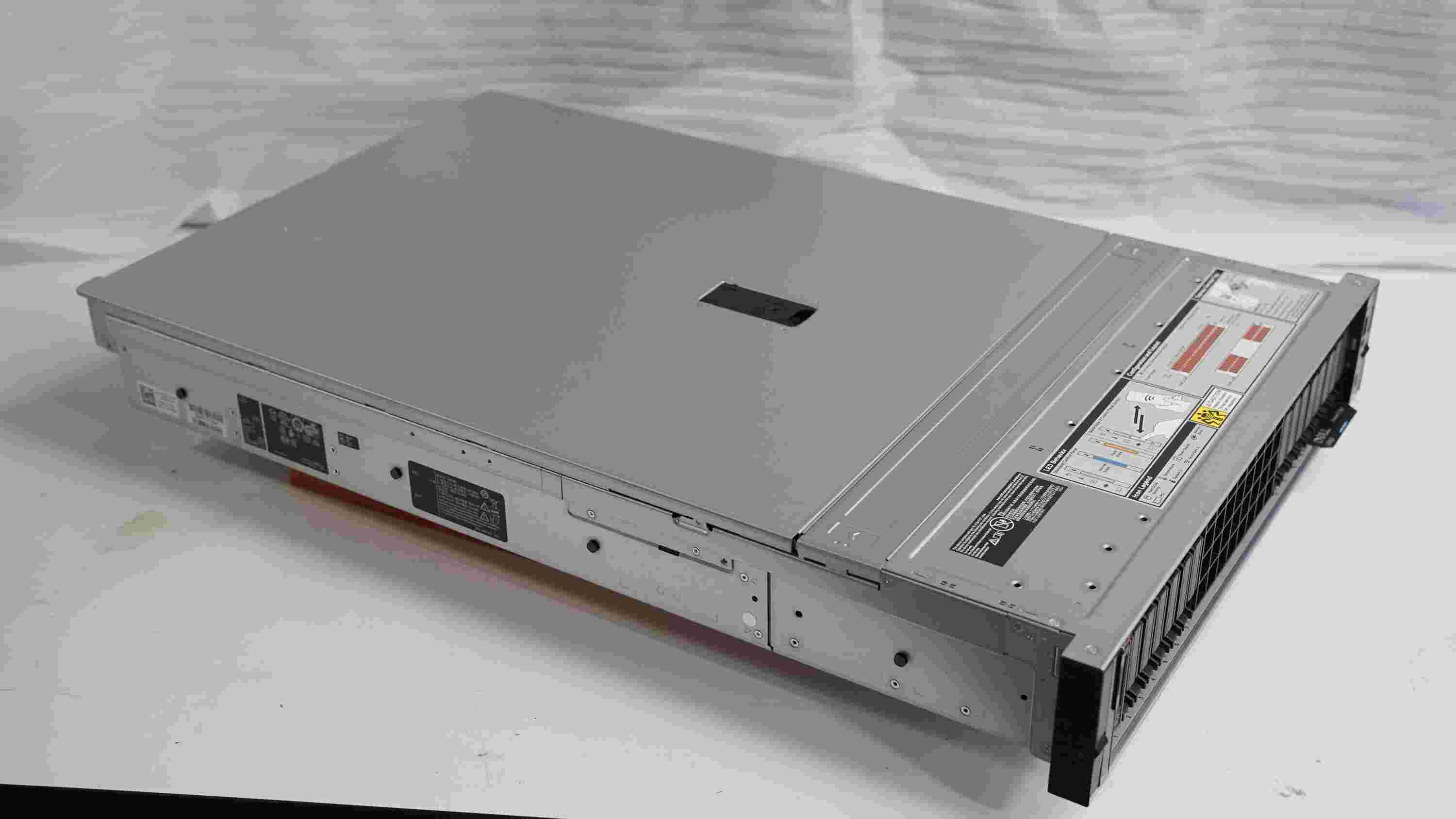
Figure 1: VoltDRAM's modern electronics integration facility, combining precision SMT lines and quality testing systems.
Power needs vary significantly based on geographic regulations, localized industrial parameters, and ambient environments. Below are the primary deployment scenarios where our custom PDUs provide stable power distribution:
Deployments in North American data centers rely heavily on 208V AC and 415V AC networks. Requirements include UL 62368-1 compliance, NEMA L6-30P or L21-30P twist-lock inputs, and branch circuit protection using low-profile, high-quality circuit breakers. Our units integrate seamlessly into standard 19-inch racks with optional toolless mounting buttons.
European Union facilities prioritize environmental footprint and PUE compliance. Power profiles typically feature 230/400V AC three-phase setups. Intelligent PDUs must offer Billing-Grade Class 1 metering accuracy (±1% deviation) to support accurate multi-tenant billing and carbon accounting audits.
In developing smart factory corridors across Southeast Asia, remote industrial sites experience high humidity, dust, and voltage fluctuations. Our PDUs for these zones feature conformally coated PCBs, high-ambient thermal operating thresholds (up to 60°C), and rugged aluminum alloy enclosures.
With massive investment in domestic cloud data centers in high-ambient temperature regions, cooling overhead is a significant factor. PDUs must operate efficiently with low internal resistance to minimize thermal output inside server cabinets, helping reduce HVAC loading.
As server platforms require faster memory, complex multi-core chip architectures, and liquid-cooled setups, the PDU landscape is shifting away from simple power delivery. Key trends include:
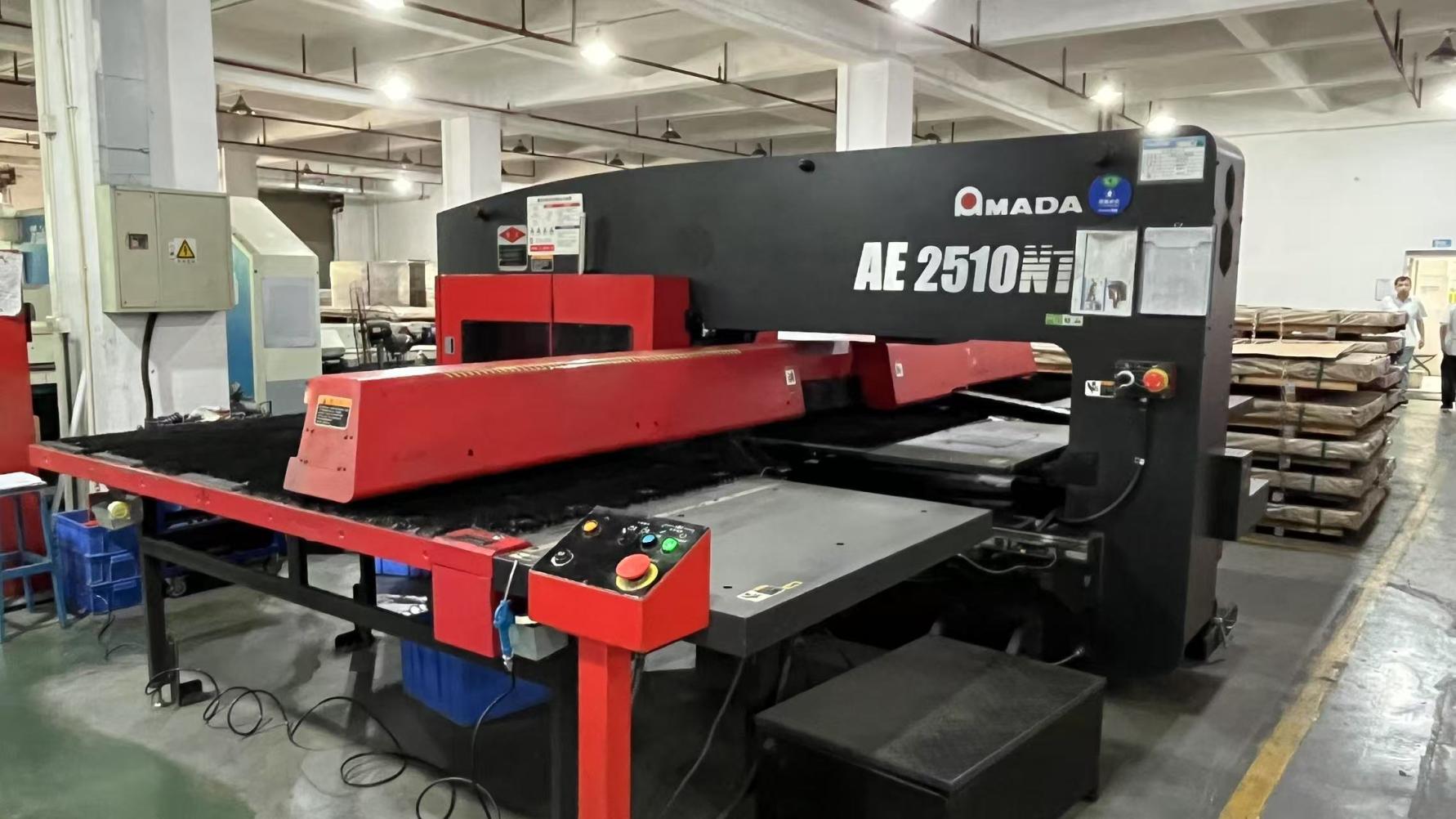
Figure 2: Surface Mount Technology (SMT) line assembling controller modules for intelligent PDUs.
Purchasing power distribution hardware requires evaluating technical specifications, manufacturing standards, and supply chain reliability. Use this checklist during your evaluation process:
Determine the total rack load (kW) and choose an input phase setup. Ensure the input current ratings (e.g., 16A, 30A, 32A, 60A) match the power drop from your facilities, with appropriate safety margins for peak operations.
Choose between 0U vertical models (which fit beside the cabinet rails) and 1U or 2U horizontal models. Verify that the physical dimensions do not obstruct cable routing or access to server modules.
Match your server hardware with the correct ratio of IEC C13, IEC C19, or NEMA outlets. High-power components, like 400W server CPU coolers, require C19 sockets to handle higher currents.
Ensure products hold international certifications, including CE, UL, RoHS, FCC, and CCC. Verify the inclusion of branch circuit protection with reliable hydraulic-magnetic circuit breakers.
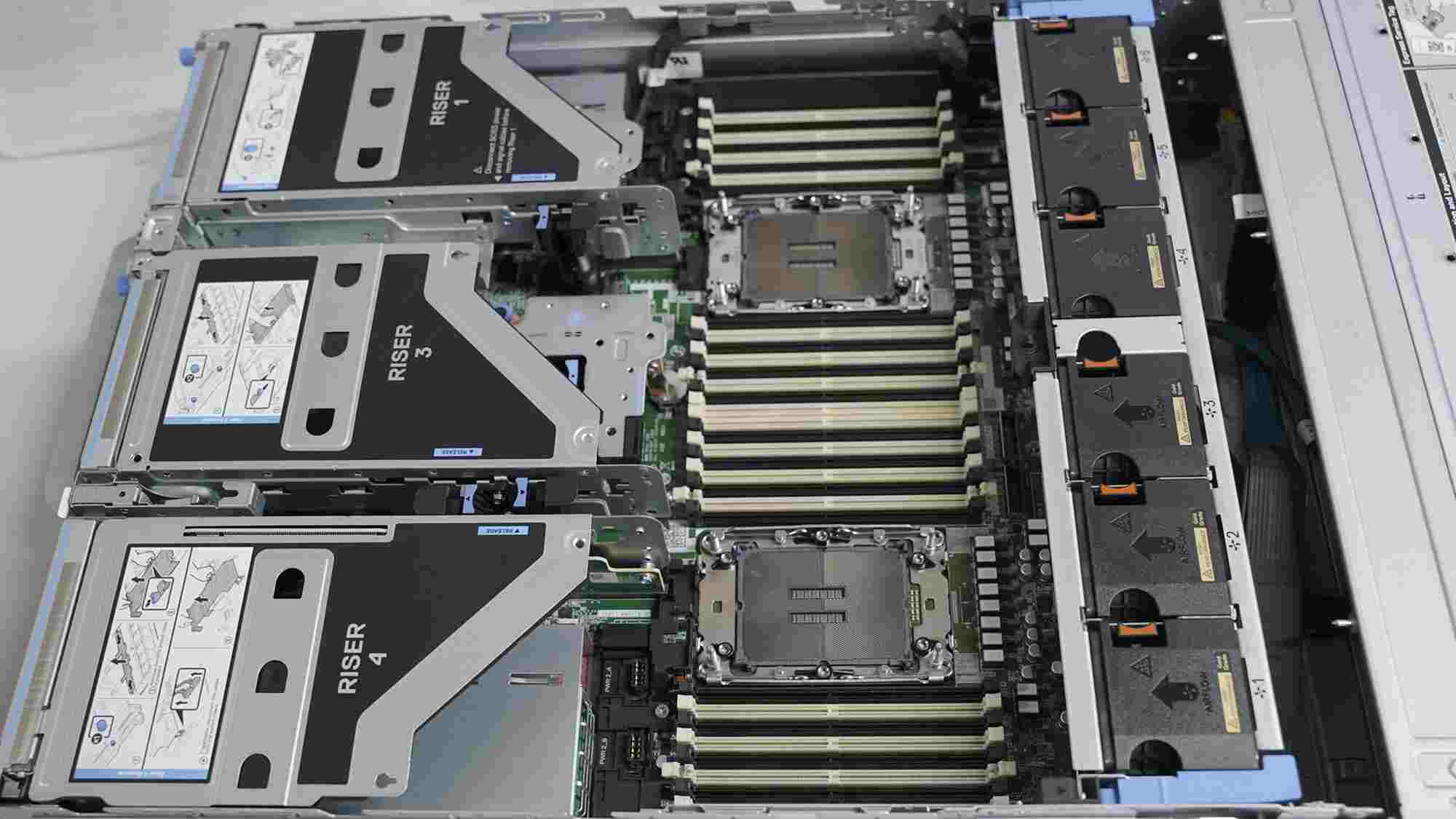
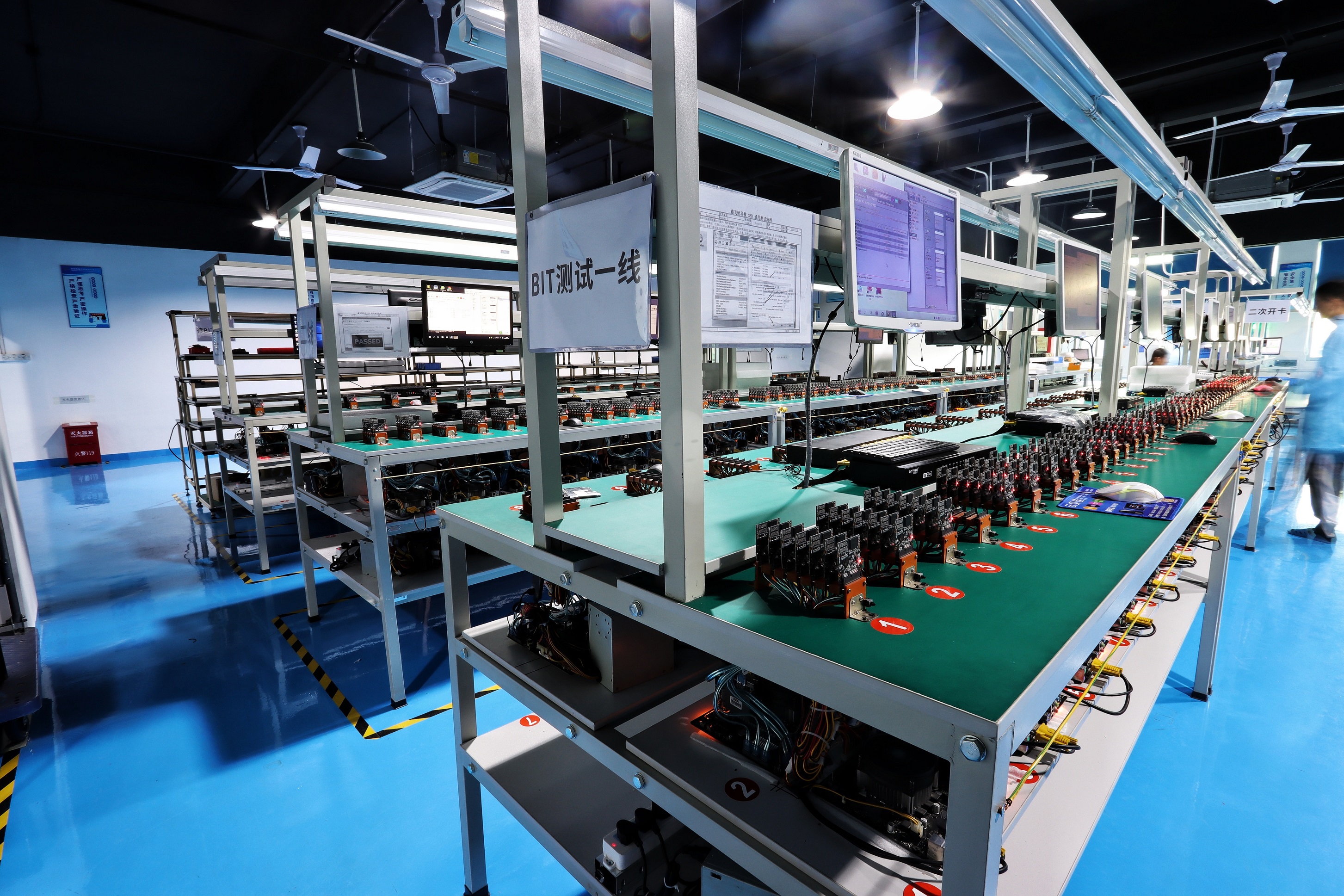
Figure 3 & 4: (Left) Quality inspection station conducting high-voltage electrical insulation tests; (Right) Technical team configuring SNMP communication boards.
VoltDRAM Semiconductor Co., Ltd. is a manufacturer specializing in high-performance memory solutions, motherboards, PCBA assemblies, thermal cooling, and power distribution infrastructures. Registered between 2015–2018, the company has grown into a trusted global supplier for servers and data center systems.
Our modern manufacturing facility covers an area of approximately 320–480㎡ and is equipped with advanced production and testing lines. We generate an annual export revenue of USD 8–18 million, backed by 6–9 years of export experience and 8–15 years of industry expertise in electronics development.
Quality is central to our operations. We implement strict ISO-based quality management systems, incorporating automated optical inspection (AOI), electrical performance testing, burn-in testing, and reliability stress testing. Our quality control team includes 35–80 experienced inspectors, ensuring every batch meets international standards.
VoltDRAM serves clients in North America, Europe, Southeast Asia, and the Middle East, maintaining long-term partnerships with over 600–1,500 supply chain partners to support a stable and efficient production ecosystem.
Each year, we launch approximately 120–450 product variants, supported by an R&D team of 60–300 engineers. This focus on engineering allows us to deliver high-performance hardware, ranging from high-speed DDR5 memory to power distribution and thermal cooling units, for modern data centers.
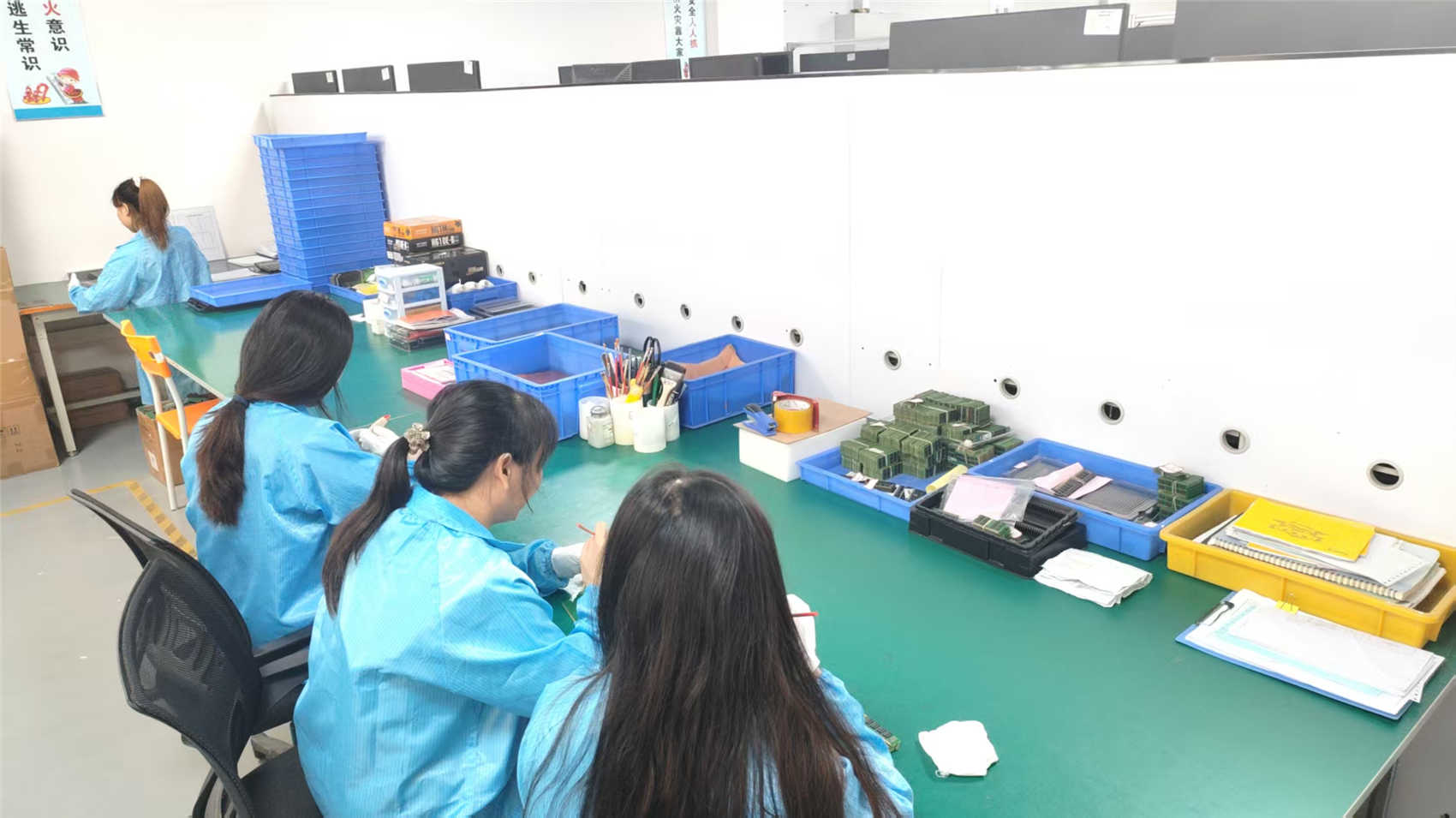
Figure 5: Quality inspectors verifying assembly and component specifications at VoltDRAM.
Explore answers to technical questions regarding rack power distribution, smart monitoring, and device-level integration:
Explore our selection of PCBA designs, memory modules, server motherboards, and cooling components to support your infrastructure needs.