 VoltDRAM
VoltDRAM
VoltDRAM
High-conductivity materials optimized for Los Angeles aerospace, defense, and electric vehicle projects.
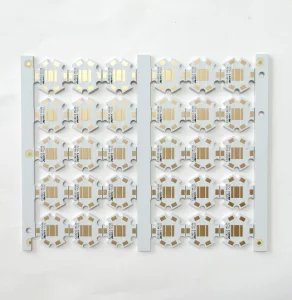
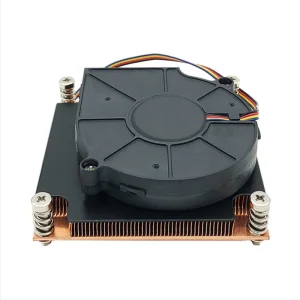
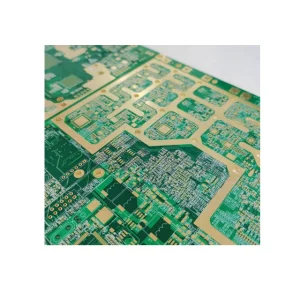
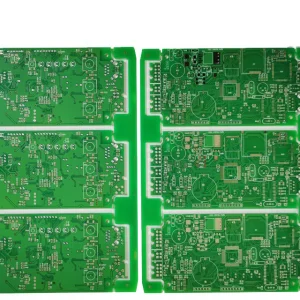
In the rapidly advancing landscape of high-power electronics, heat dissipation has emerged as the primary bottleneck limiting performance, reliability, and device lifespan. Standard FR-4 substrate materials, with a typical thermal conductivity of 0.25 W/m-K, act as thermal insulators. When high-power components like power transistors, motor controllers, or dense LED arrays generate high heat flux, FR-4 materials cannot transfer heat quickly enough. This triggers rapid thermal degradation.
This is where Insulated Metal Substrates (IMS), specifically Aluminum PCBs, are essential. Engineered with a specialized ceramic-filled dielectric layer sandwiched between a copper circuit layer and an aluminum base plate, Aluminum PCBs deliver thermal conductivities ranging from 1.0 W/m-K to over 8.0 W/m-K. This architecture reduces thermal resistance, maintaining junction temperatures below critical limits even under intense operational loads.
For system designers, this efficiency enables smaller footprints, eliminates heavy heat sinks, and significantly extends mean time between failures (MTBF). By keeping core system layers cool, designers can confidently run circuits at higher power densities.
The Greater Los Angeles Area, spanning from the Silicon Beach tech hub to the aerospace clusters in El Segundo, Long Beach, and the Inland Empire, represents one of the world's most demanding regional markets for advanced electronics. Our supply chains are designed to directly serve the localized, high-stress requirements of Southern California's industrial base:
With private aerospace leaders and NASA JPL based in the Los Angeles basin, mission-critical flight computers, orbital power supplies, and telemetry equipment require PCBs that withstand intense thermal cycling, high vacuum, and high-G vibrations. Aluminum PCBs are utilized for their mechanical stability and efficient thermal dissipation.
Southern California has emerged as a premier EV development corridor. Electric vehicle powertrains, onboard DC-DC converters, motor drive inverters, and high-speed charging infrastructure generate extreme heat. High thermal conductivity metal-core substrates are essential to safely manage this high-current power transfer.
From Hollywood's studio lighting rigs to massive outdoor architectural projects across LA, high-lux LED arrays run at extreme currents. Standard substrates lead to rapid color shifting and early LED failure. Our specialized T6 5050/3535 aluminum boards transfer heat rapidly, maintaining light fidelity and performance.
Developing high-yield, robust aluminum PCBs requires careful material selection and strict control of layer geometry. The table below outlines the core configurations optimized for aerospace, automotive, and industrial applications:
| Substrate Category | Thermal Conductivity | Typical Thickness | Dielectric Breakdown Voltage | Primary Application Fields |
|---|---|---|---|---|
| Standard Level IMS | 1.0 - 1.5 W/m-K | 1.0mm - 1.6mm | > 2.5 kV AC | Commercial LED fixtures, consumer electronics, driver modules |
| Medium-Power Level IMS | 2.0 - 3.0 W/m-K | 1.2mm - 2.0mm | > 4.0 kV AC | Industrial motor controllers, automotive headlamps, power converters |
| Ultra-High-Power Level IMS | 4.0 - 8.0 W/m-K | 1.6mm - 3.2mm | > 6.0 kV AC | Military-grade power units, aerospace flight systems, EV traction inverters |
| Rogers-Hybrid IMS Stackups | Composite Stackup | Custom Multi-layer | Based on dielectric design | High-frequency telecom, RF amplifier units, radar installations |
We combine global manufacturing capabilities with localized support to serve demanding technology markets.
Procuring metal-core PCBs for projects in Los Angeles requires balancing engineering precision, production lead times, and cost efficiency. Our supply chain model leverages advanced manufacturing hubs in China paired with local support networks in Southern California to optimize delivery times and material quality.
Operating with advanced SMT and assembly lines, we support production volumes from rapid prototypes to high-scale runs. We maintain logistics agreements with air and sea freight carriers, utilizing direct shipping lanes to the Port of Los Angeles (POLA) and Los Angeles International Airport (LAX). This setup enables quick transit times, keeping your assembly lines running smoothly.
To address tariff structures, customs clearance, and global logistics, we offer DDP (Delivered Duty Paid) shipping options and buffer stock management. This minimizes lead time risk, ensuring components arrive on schedule.
The global demand for high-efficiency thermal management is accelerating due to the expansion of wide-bandgap semiconductors (like GaN and SiC). Standard silicon transistors are being replaced by gallium nitride and silicon carbide components, which operate at higher frequencies, voltages, and thermal outputs.
This technology shift drives the development of advanced Insulated Metal Substrates. Key developments on our technical roadmap include:
We prioritize compliance and quality across our entire product range. All products meet the strict standards required for North American distribution, including UL 94V-0 flammability ratings, RoHS Directive compliance, and REACH authorization parameters. These certifications ensure hassle-free integration into consumer and industrial markets.
Aluminum 5052 is the industry standard due to its balance of thermal conductivity (approx 138 W/m-K), high dielectric strength, and mechanical formability. For applications requiring higher mechanical strength and thermal performance, Aluminum 6061 is preferred, though it is harder to route and punch.
Yes. Multi-layer IMS boards typically utilize a core-layer design where standard FR-4 layers are laminated onto a copper-clad aluminum substrate, or double-sided IMS structures are used. However, this design adds manufacturing complexity and limits the heat dissipation of the upper layers compared to single-layer designs.
Dielectric breakdown is prevented by using high-density polymer matrices filled with sub-micron ceramic particles. We specify dielectric layer thicknesses and compound compositions to withstand breakdown test voltages up to 6 kV AC, meeting safety standards for EV and industrial power grids.
For lead-free, environmentally friendly designs in the California market, we recommend ENIG (Electroless Nickel Immersion Gold) or Lead-Free HASL (Hot Air Solder Leveling). ENIG provides a flat surface that is ideal for mounting small SMD components and high-lux LED chips.
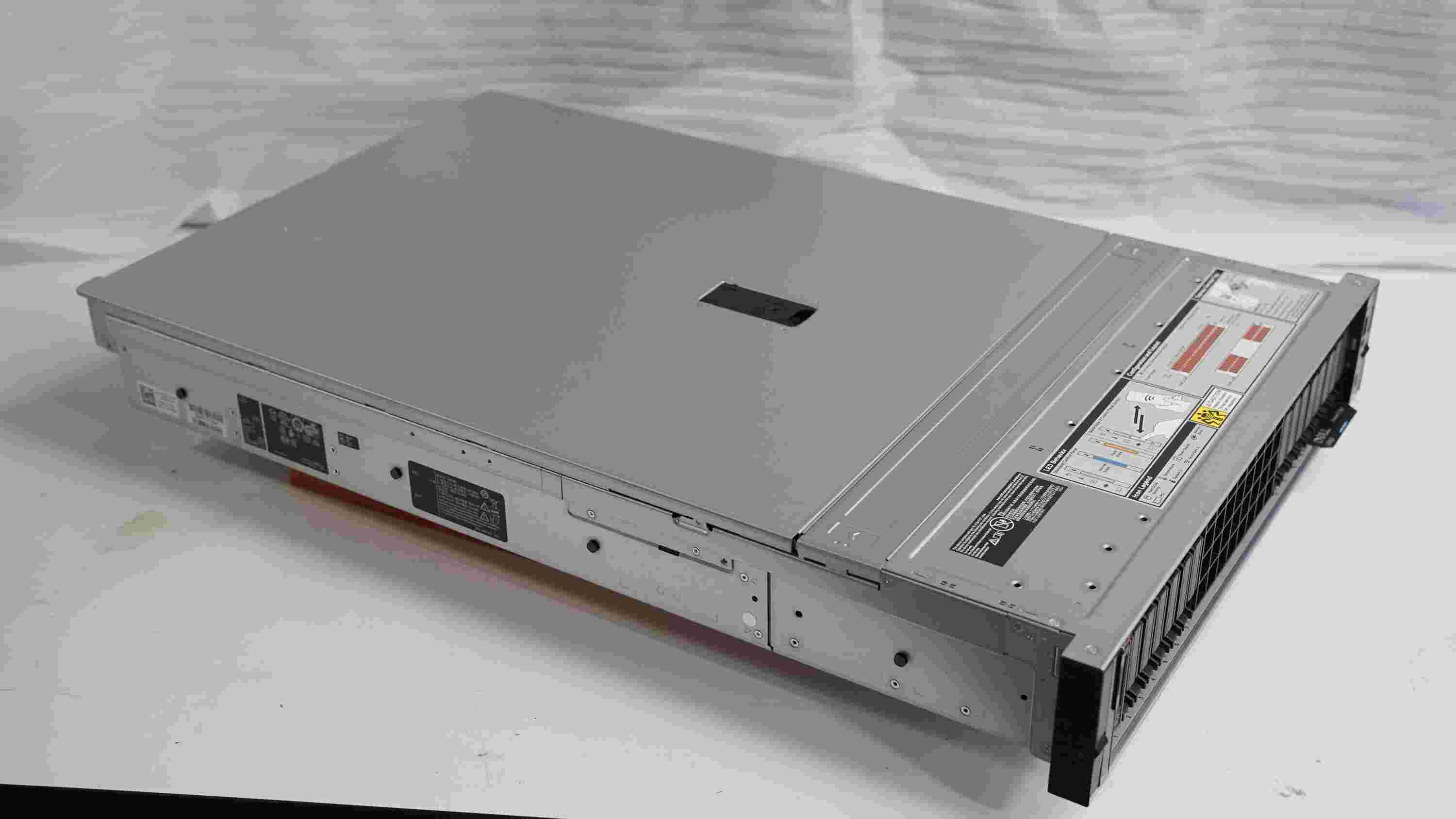
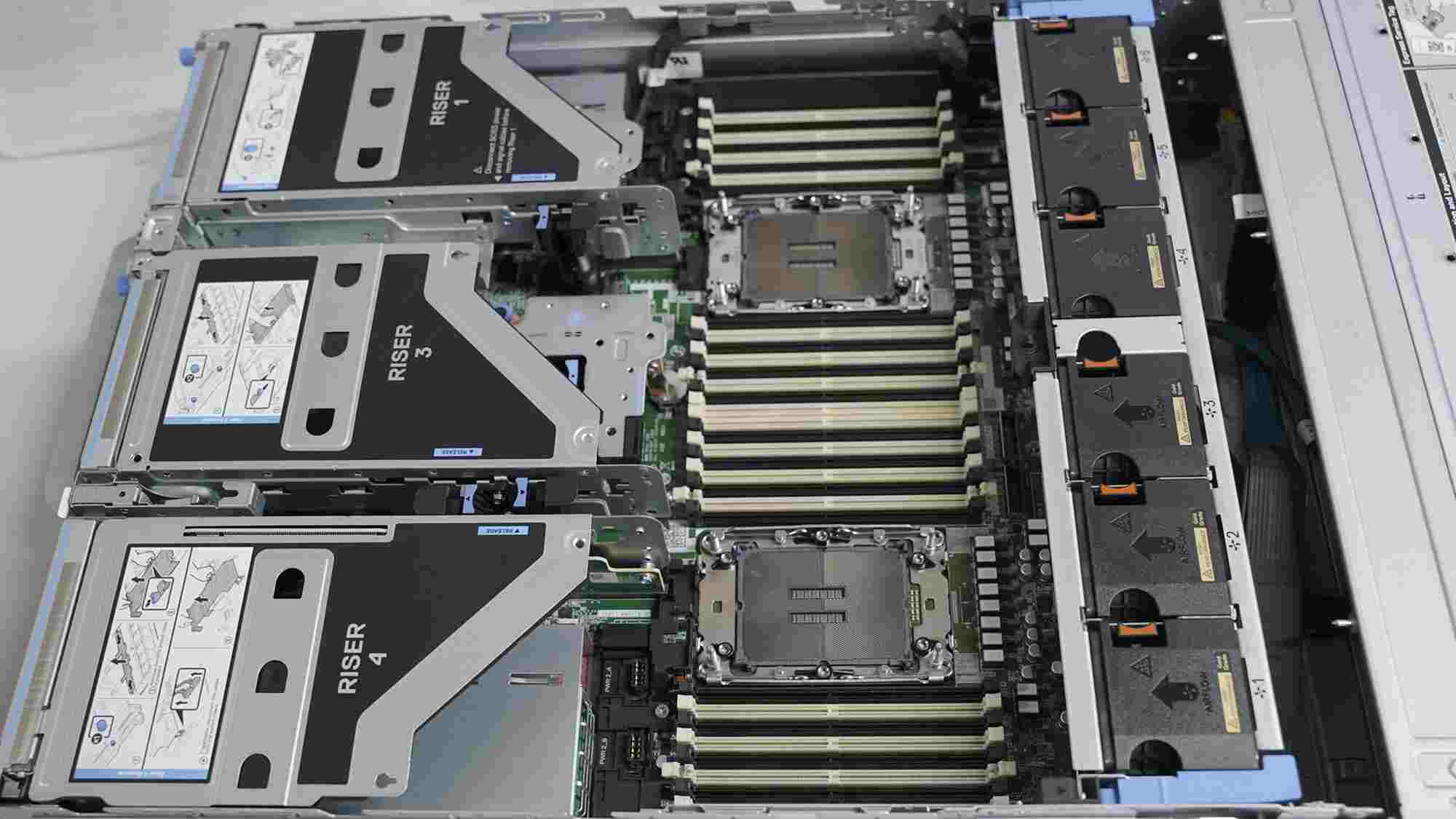
Explore our full line of memory modules, processor boards, and heavy-duty thermal systems designed for modern data centers and industrial systems.
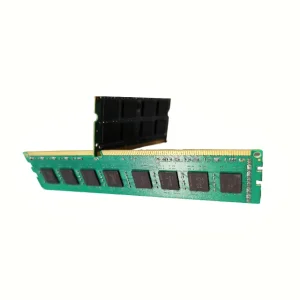
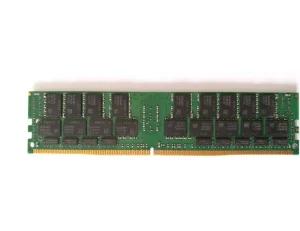
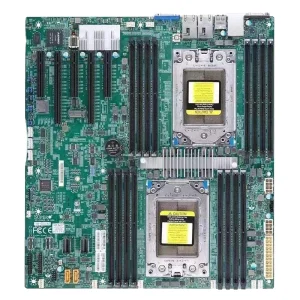
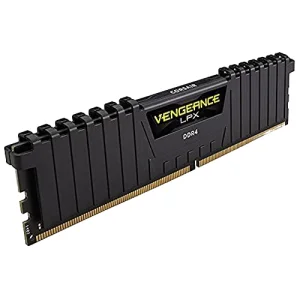
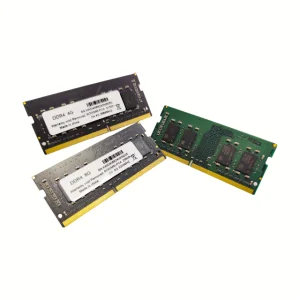
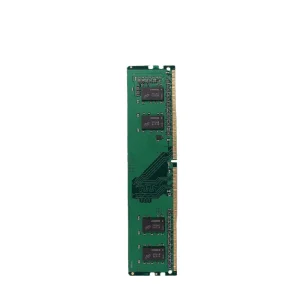
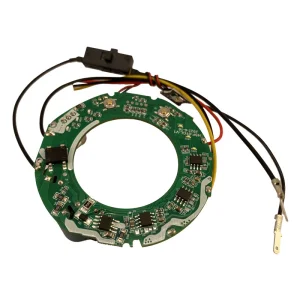
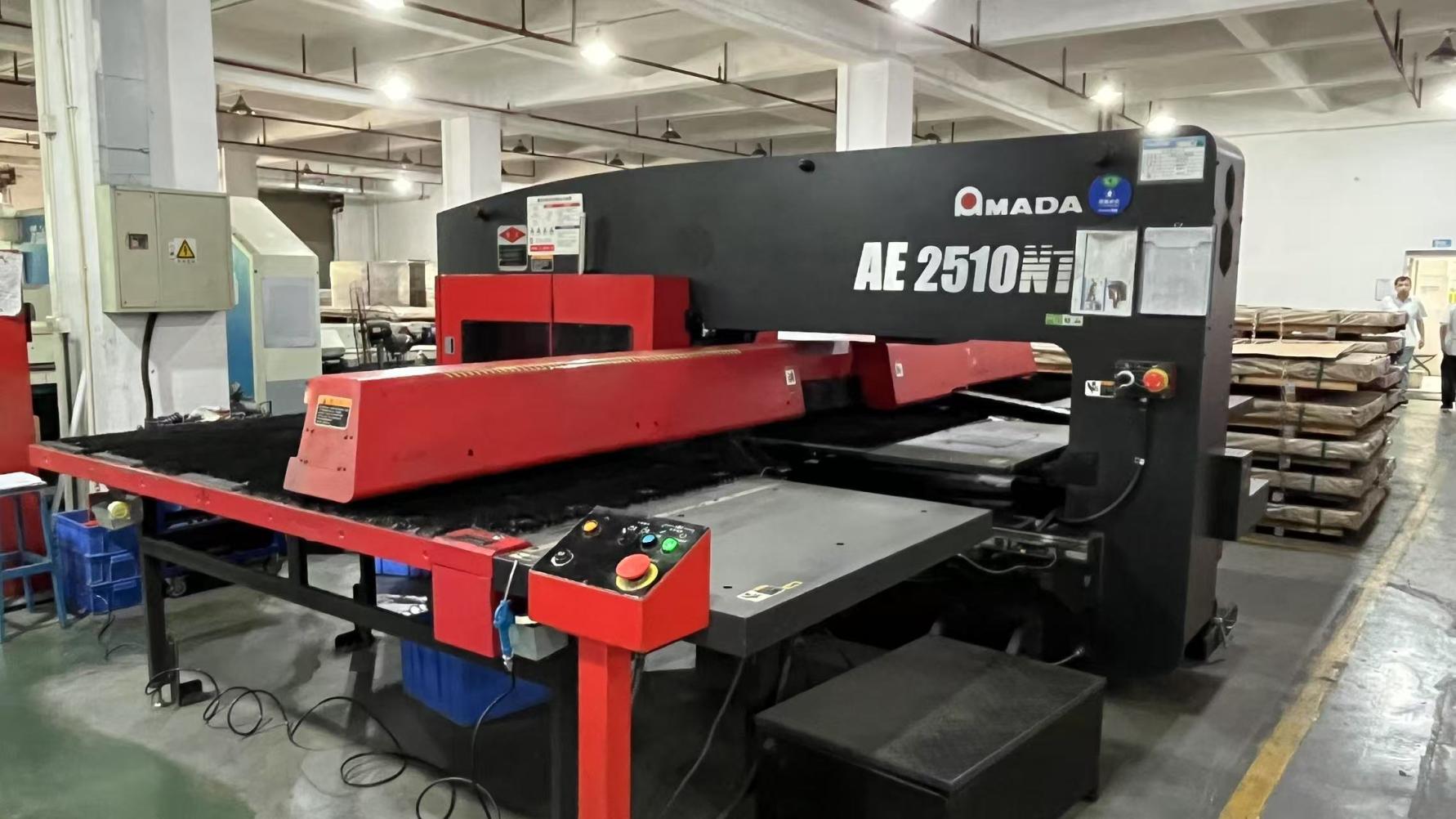
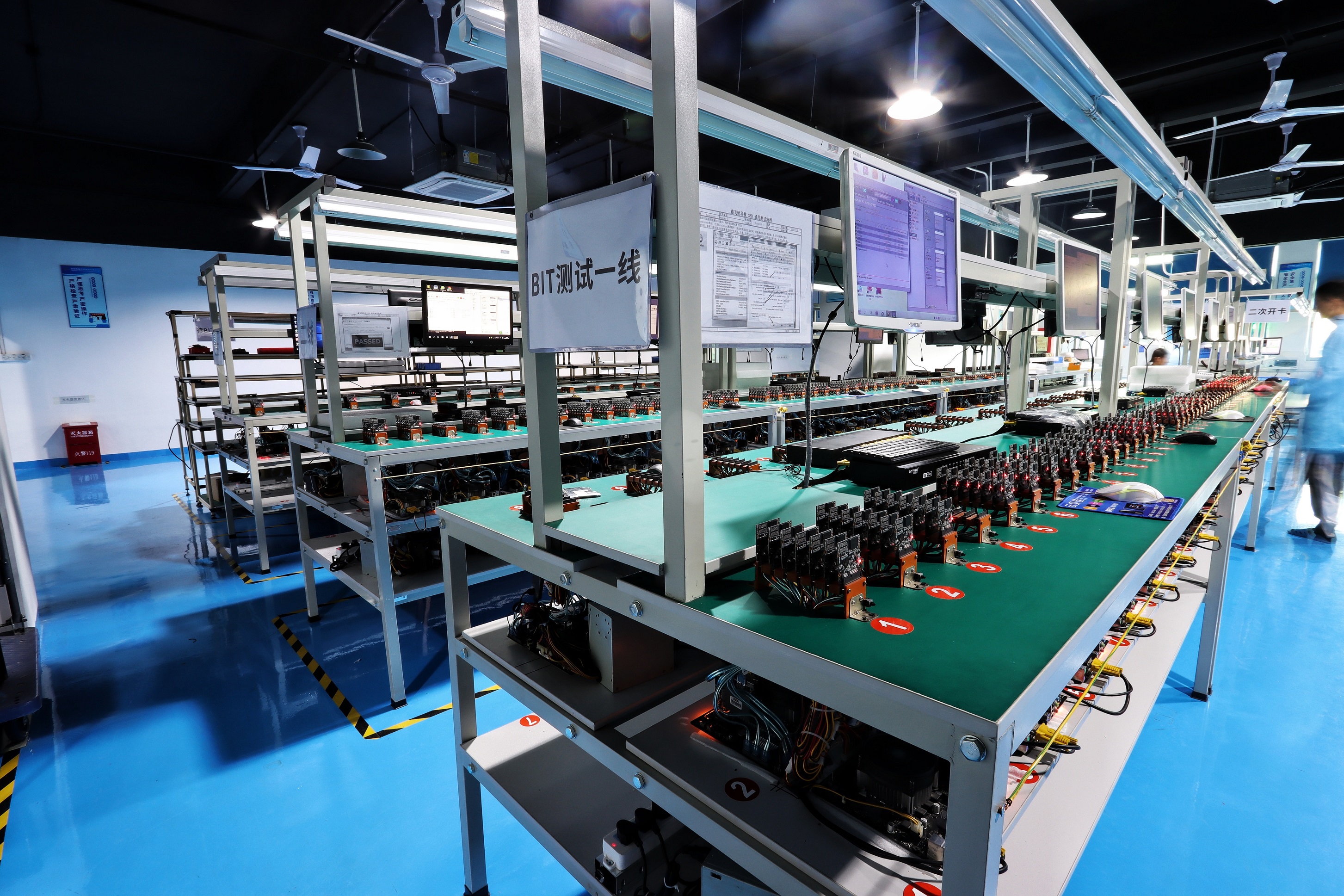
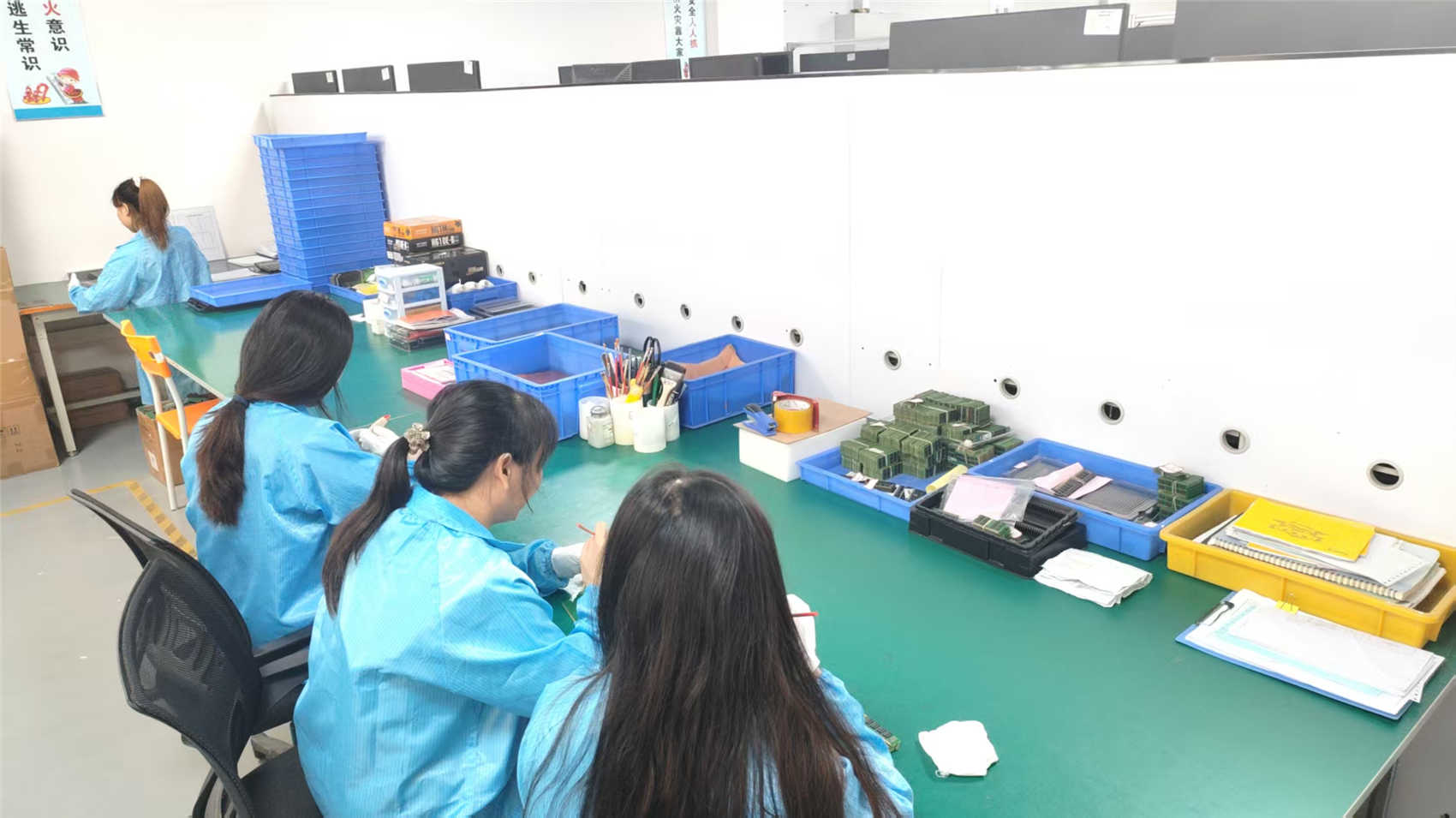
A look inside our ISO-compliant manufacturing center, featuring advanced testing equipment and SMT production lines.
Get in touch with our engineering team for DFM reviews, custom stackup layouts, and production planning. We support aerospace, defense, and electric vehicle projects in the Los Angeles market.