VoltDRAM
VoltDRAM
VoltDRAM
High-performance processing engines, liquid cooling, and prototype PCB solutions optimized for remote Kiribati base station setups.
Kiribati, comprising 33 atolls spanning across 3.5 million square kilometers of the central Pacific Ocean, faces unique connectivity and environmental challenges. With maritime activities, environmental tracking, and telecommunications acting as the lifelines of the nation, the demand for resilient, high-speed networking hardware has reached an all-time high.
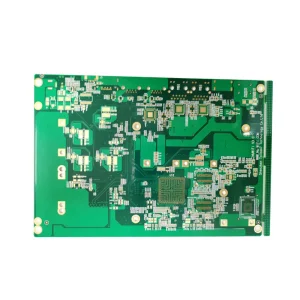
Standard FR4 PCBs degrade rapidly under the extreme humidity and high-salinity air of Kiribati. Rogers High-Frequency PCBs provide the ultra-low moisture absorption, dimensional stability, and low dielectric loss required for reliable microwave links, satellite ground stations, and marine vessel transponders operating in hot, tropical climates.
Why engineers specify Rogers laminates (e.g., RO4350B, RO4003C) over standard materials for marine and microwave communications.
| Property / Material Spec | Standard FR4 | Rogers RO4350B | Rogers RO3003 | Impact on Kiribati Field Use |
|---|---|---|---|---|
| Dielectric Constant (Dk) | 4.2 - 4.8 | 3.48 ± 0.05 | 3.00 ± 0.04 | Low fluctuation translates to zero signal drift over long distances. |
| Dissipation Factor (Df @ 10GHz) | 0.015 - 0.025 | 0.0037 | 0.0013 | Minimizes signal transmission loss, saving battery power in remote solar nodes. |
| Moisture Absorption | 0.15% - 0.25% | 0.06% | 0.02% | Prevents dielectric breakdown in 90%+ relative humidity environments. |
| Thermal Conductivity (W/m/K) | 0.25 | 0.69 | 0.50 | Accelerates heat dissipation, crucial in un-cooled outdoor telecom enclosures. |
Rogers ceramic-filled PTFE substrates ensure optimal transmission rates at high-frequency ranges. This reduces the number of repeating stations needed across remote atolls.
Precise impedance tolerance (+/-5%) prevents signal reflections, which is crucial for high-speed server hardware, marine radar systems, and LTE base transceivers.
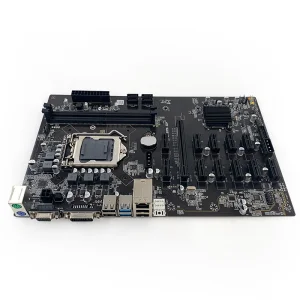
Combining high-speed memory architectures with Rogers RF circuits creates high-throughput servers that process edge-AI data directly at remote communication hubs.
How our advanced manufacturing ecosystem ensures stable delivery times, strict quality control, and rugged packaging for remote ocean delivery.
Sending electronic components to remote islands like Tarawa, Tabuaeran, or Christmas Island requires rigorous testing before dispatch. Standard air or sea routes present extreme microclimatic challenges (e.g. thermal shocks and moisture ingress). VoltDRAM Semiconductor's quality assurance framework guarantees defect-free hardware:
Integrating Rogers PCBs and high-capacity memory components into local marine and cloud projects.
Commercial fishing monitors and Search and Rescue (SAR) transceivers rely on high-frequency transmitters. Ceramic-filled Rogers boards prevent signal loss under salt spray.
Kiribati's solar transition requires robust grid-tie inverters. Multilayer PCBs with copper-clad laminates manage thermal loads under continuous sunlight exposure.
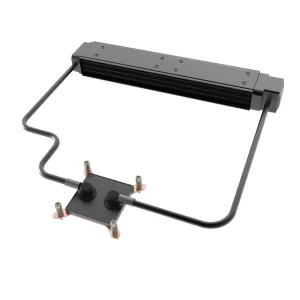
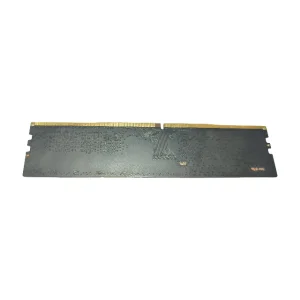
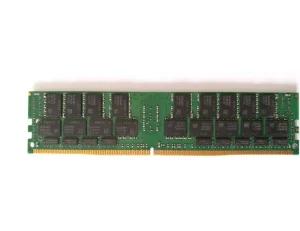
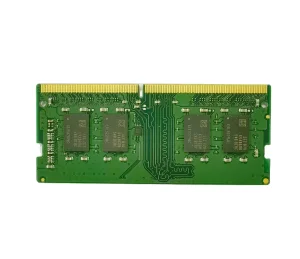
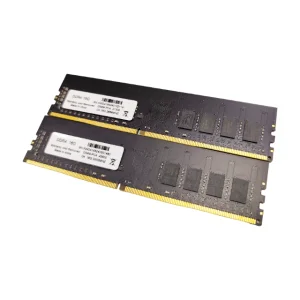
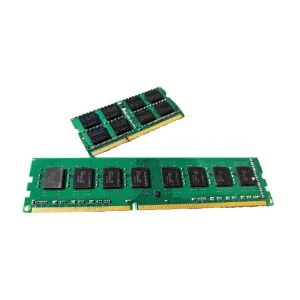
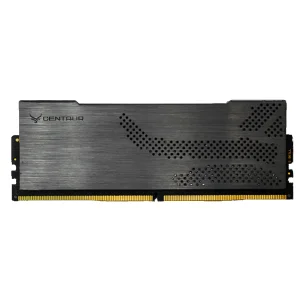
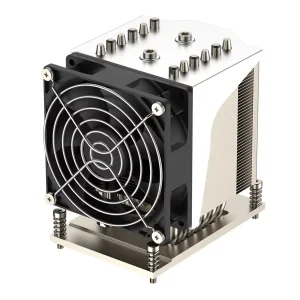
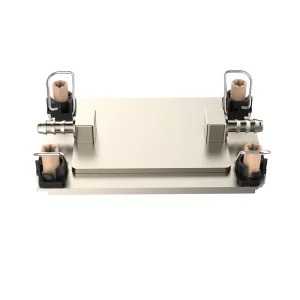
By using VoltDRAM ECC DDR4/DDR5 server memories and liquid CPU coolers, local data centers can process weather and oceanographic data with lower latency.
Company Profile & Industrial Manufacturing Base
VoltDRAM Semiconductor Co., Ltd. is a professional DDR5 memory and electronic manufacturing partner, specializing in high-performance DRAM solutions and multi-layer high-frequency PCB assemblies for servers, PCs, and marine communications. Registered between 2015–2018, the company has rapidly developed into a reliable global supplier in the memory and PCB design industry.
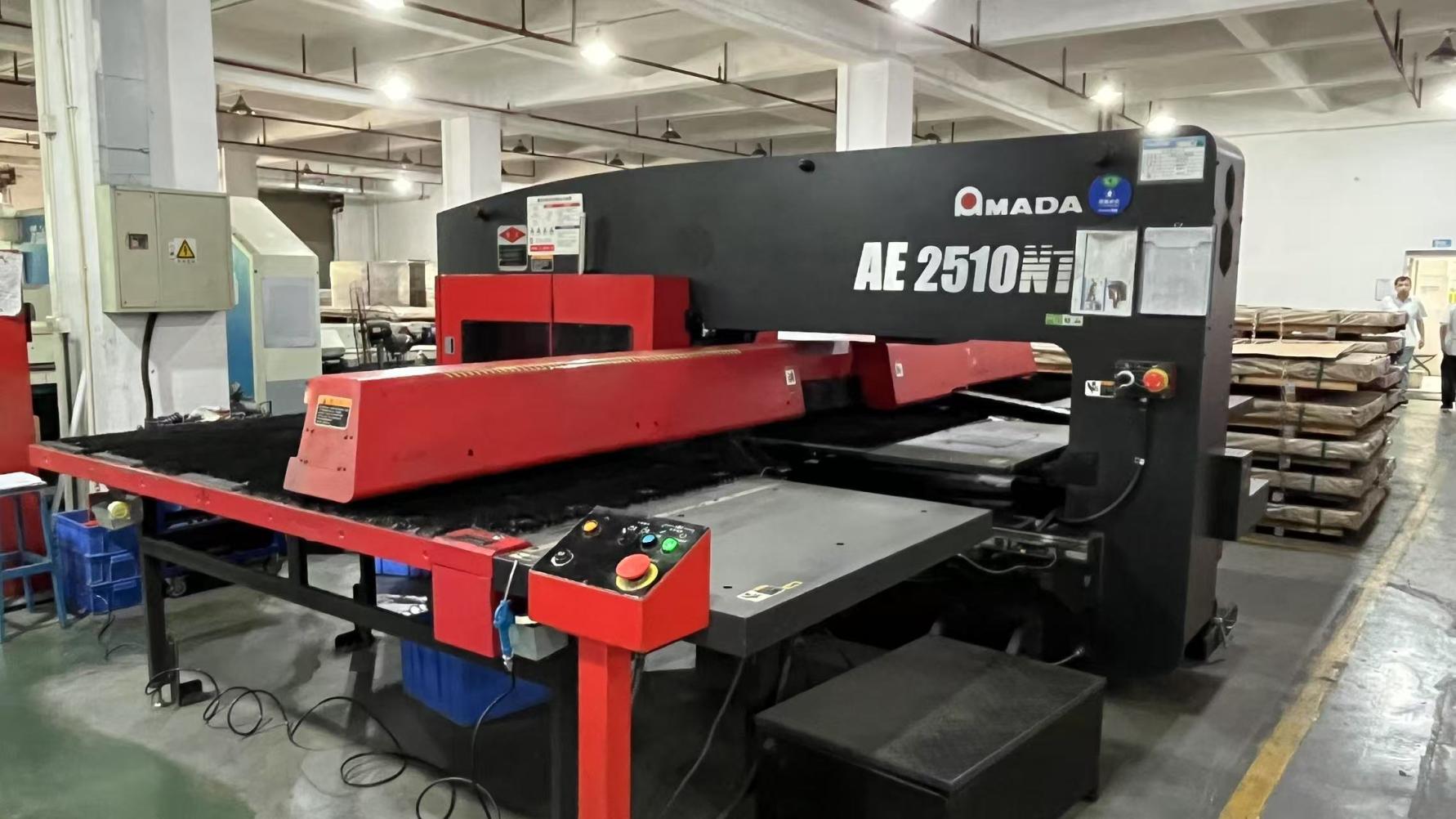
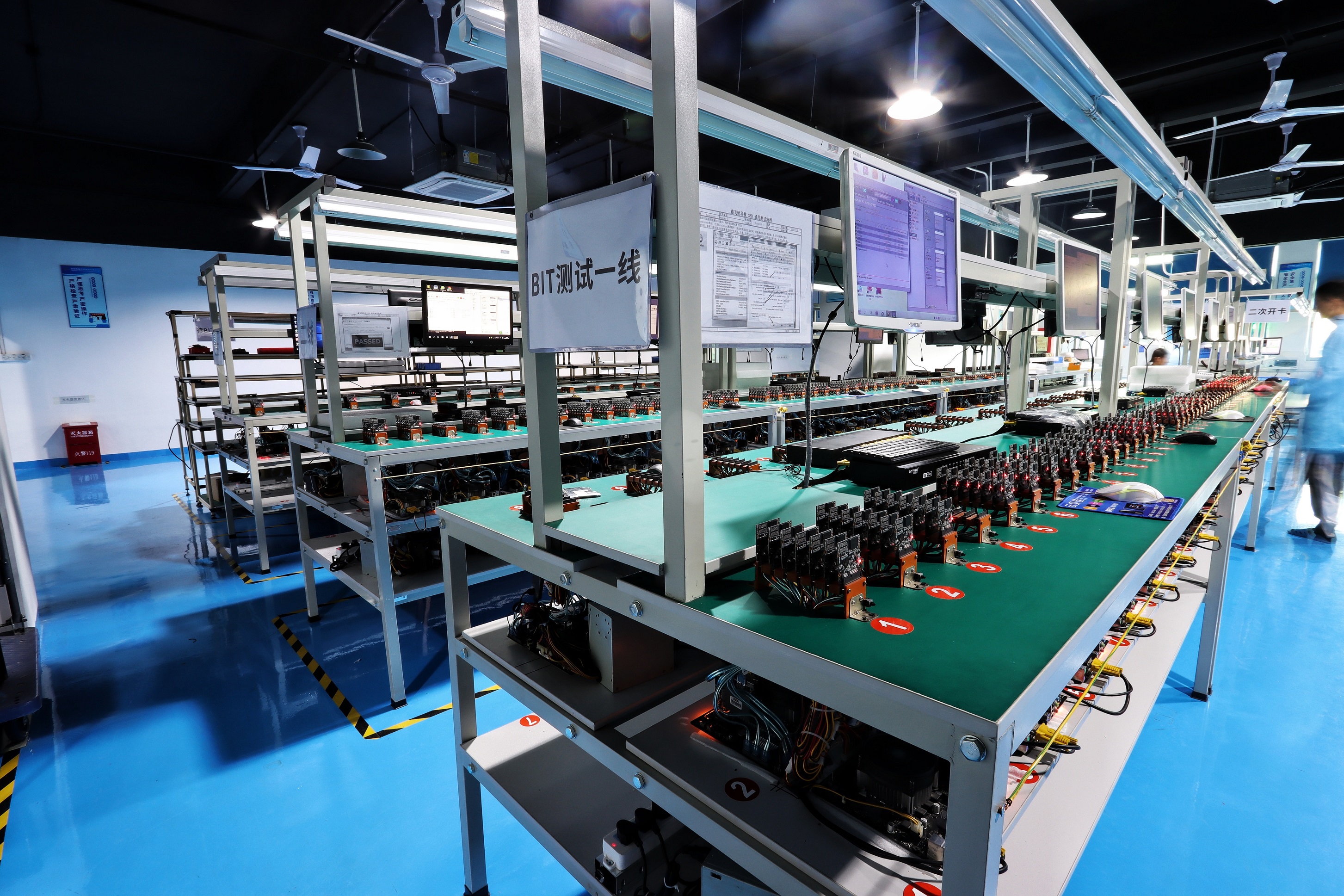
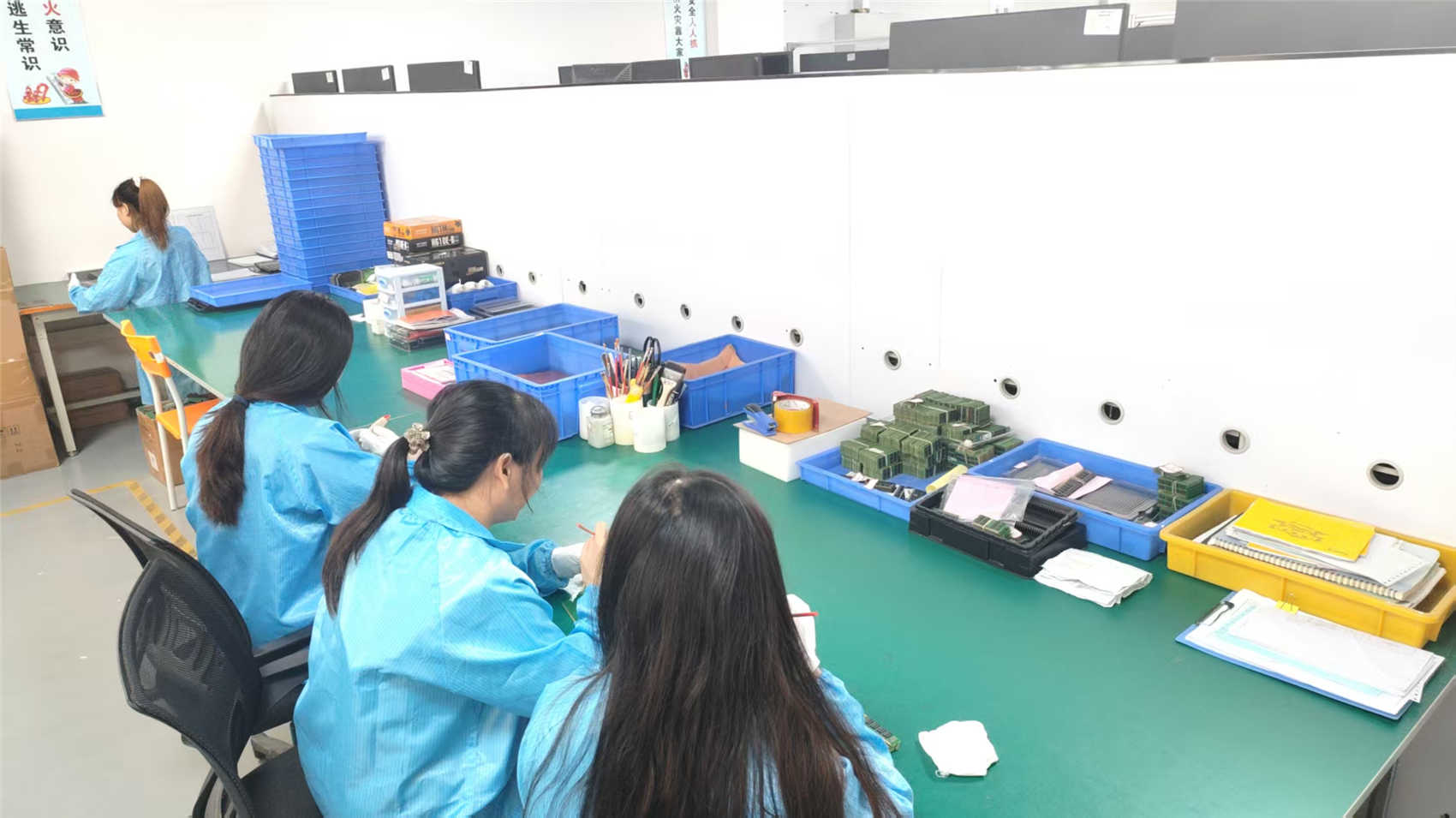
Our manufacturing facility covers an area of approximately 320–480㎡, equipped with advanced surface-mount (SMT) production and testing lines. We generate an annual export revenue of around USD 8–18 million, with 6–9 years of export experience and 8–15 years of industry expertise in semiconductor development, memory packaging, and complex RF circuit layout design.
Quality is at the core of VoltDRAM. We implement strict ISO-based quality management systems, combined with automated optical inspection (AOI), electrical performance testing, burn-in testing, and reliability stress testing to ensure stable product performance. Our quality control team consists of 35–80 experienced inspectors, ensuring every batch meets international standards.
With a strong international trade background, VoltDRAM mainly serves markets in North America, Europe, Southeast Asia, and the Middle East, and is dedicated to expanding robust electronic components to developing Pacific nations including Kiribati. We maintain long-term cooperation with over 600–1,500 supply chain partners, supporting a stable and efficient production ecosystem.


Enhance local networking servers, IoT routers, and computing terminals with enterprise-grade RAM modules and thermal units.
Answers to technical queries regarding design, shipment, and deployment of Rogers PCBs in Pacific regions.
Consult our engineering team to select the right Rogers laminates and secure competitive pricing on bulk production.
Send Inquiry Now