 VoltDRAM
VoltDRAM
VoltDRAM
High-performance control units, custom circuit board designs, and cooling hardware designed to power smart UVC LED systems.
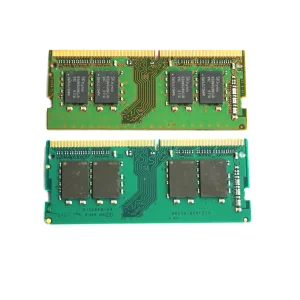
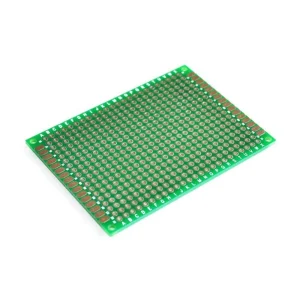
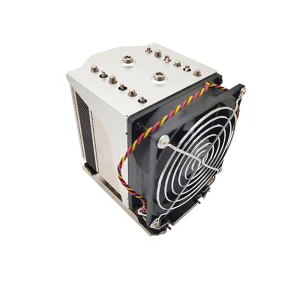
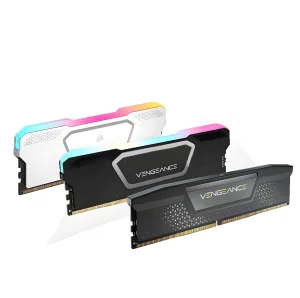
As the primary manufacturing powerhouse of home appliances (AGD - Artykuły Gospodarstwa Domowego) in the European Union, Poland has become a focal point for solid-state sterilization integration. The shift from bulky, environmentally hazard-prone low-pressure mercury lamps to high-efficiency deep ultraviolet (UVC) LED modules is driven by strict European Union regulations, including the Minamata Convention on Mercury and RoHS guidelines.
Poland's local manufacturers of domestic appliances, commercial HVAC systems, and water purification units in major hubs like Wrocław, Kraków, Łódź, and Poznań are seeking reliable suppliers capable of offering not just basic LEDs, but fully integrated optoelectronic sub-assemblies. The demand hinges on durable control architecture, optimized thermal management systems, and high-frequency data logging processors that can guarantee a standard system lifespan of over 20,000 operational hours.
A primary failure point in high-intensity UVC LED modules is not the emitter itself, but the driving circuitry and thermal dissipation structures. UVC LEDs operate at low Wall-Plug Efficiency (WPE), converting approximately 95% of incoming electrical energy into heat instead of UV output. Without robust thermal management and precise control memory processing:
Ensuring peak inactivation of pathogens (such as Listeria, E. coli, and SARS-CoV-2) through strict control of ultraviolet spectral irradiance.
Our advanced UVC modules are tuned specifically within the 265-275nm spectrum to perfectly match the absorption peak of microbial DNA and RNA, disrupting molecular structures and preventing replication without creating toxic ozone emissions.
By leveraging high-thermal conductivity aluminum nitride (AlN) substrates and double-sided tinned PCB layouts, our systems maintain junction temperatures below 60°C, ensuring consistent radiant flux and zero output decay over time.
Equipped with modern onboard sensors and industrial-grade high-frequency RAM, our modules run continuous self-assessments, sending real-time operational status updates directly to central automation systems.
Driving high-performance semiconductor and controller innovations globally for over a decade.
VoltDRAM Semiconductor Co., Ltd. – Company Profile
VoltDRAM Semiconductor Co., Ltd. is a professional DDR5 memory manufacturer specializing in high-performance DRAM solutions for servers, PCs, and data center applications. The company was registered between 2015–2018 and has rapidly developed into a reliable global supplier in the memory industry.
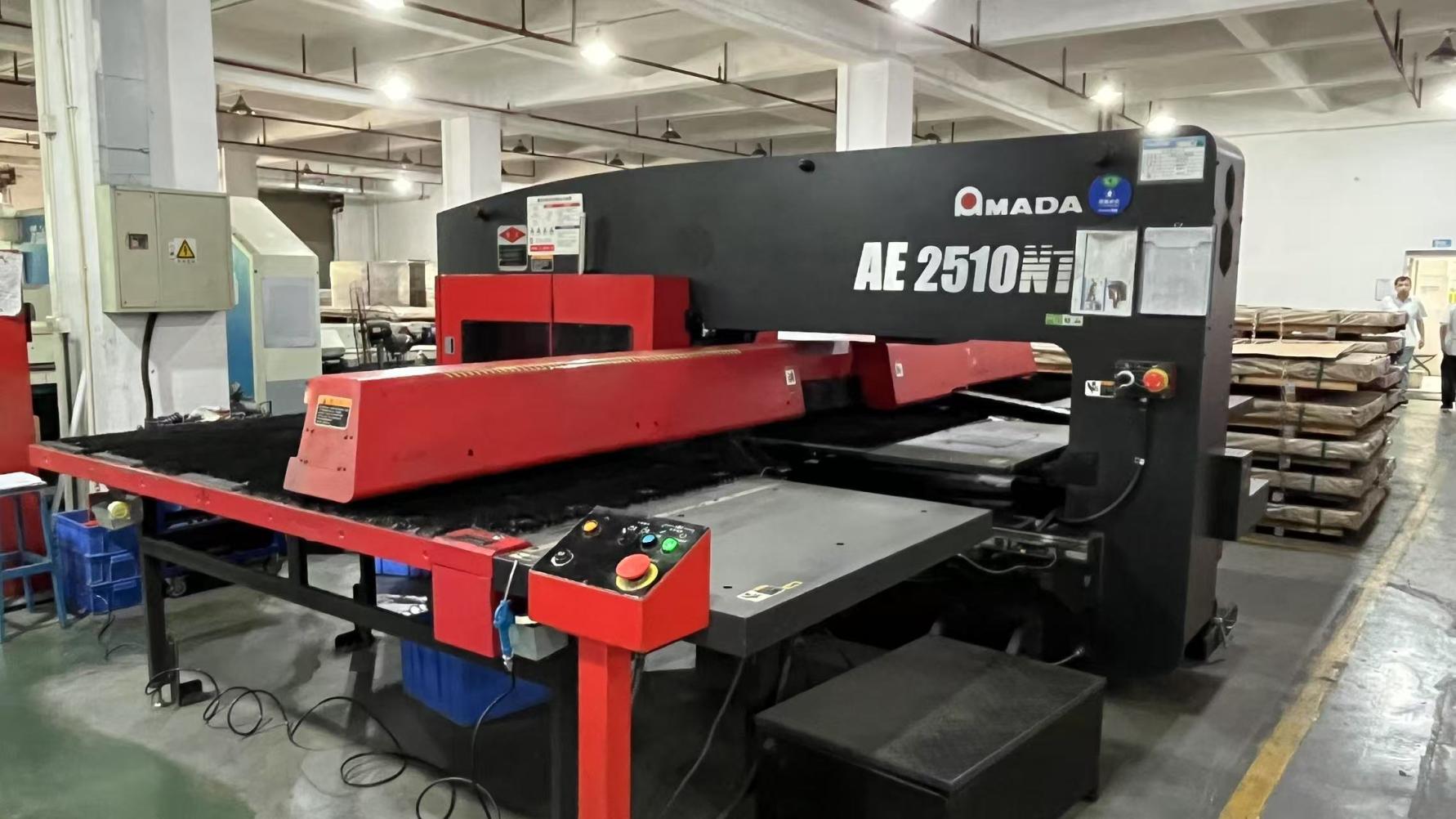
Our manufacturing facility covers an area of approximately 320–480㎡, equipped with advanced production and testing lines. We generate an annual export revenue of around USD 8–18 million, with 6–9 years of export experience and 8–15 years of industry expertise in semiconductor memory development and manufacturing.
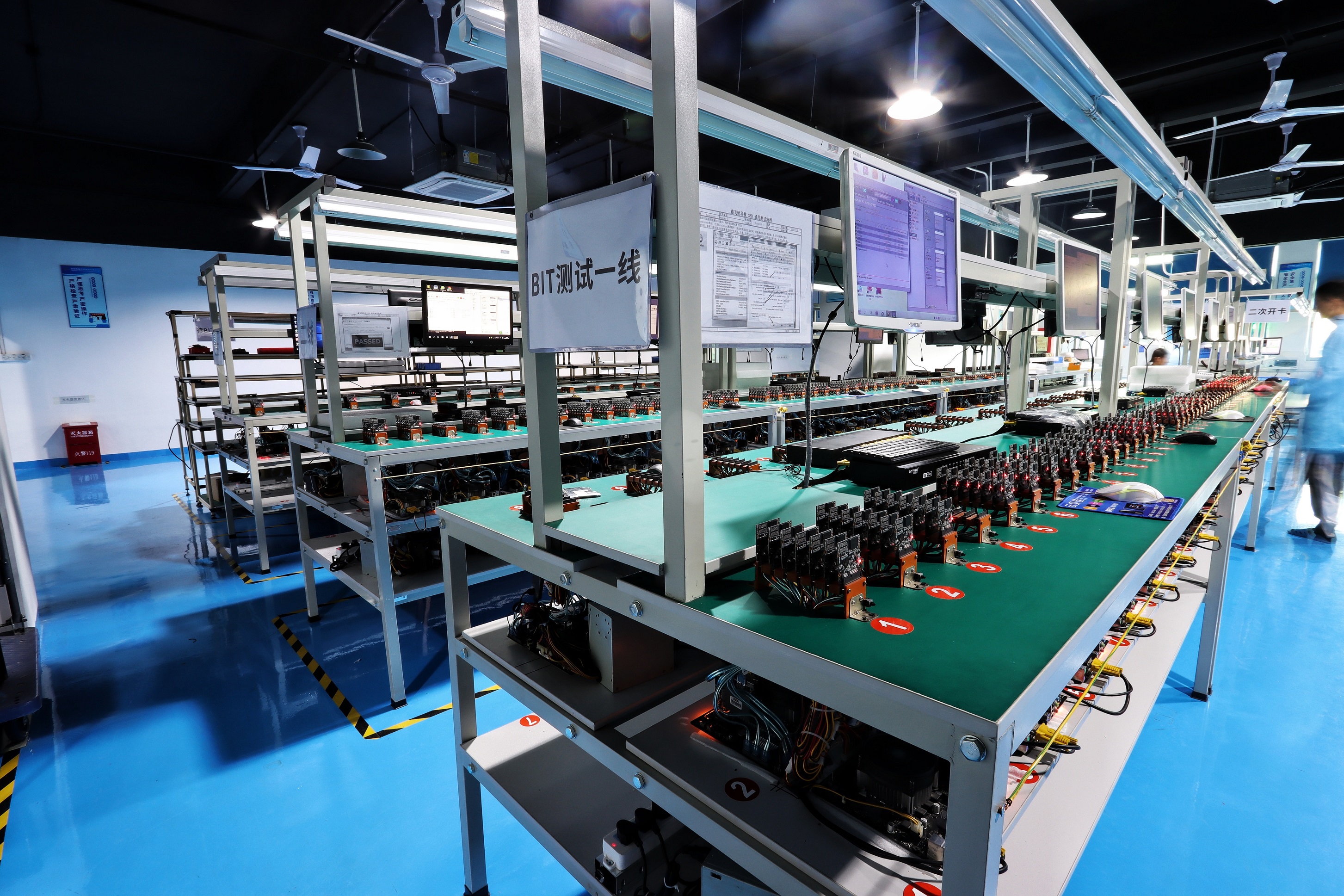
Quality is at the core of VoltDRAM. We implement strict ISO-based quality management systems, combined with automated optical inspection (AOI), electrical performance testing, burn-in testing, and reliability stress testing to ensure stable product performance. Our quality control team consists of 35–80 experienced inspectors, ensuring every batch meets international standards.
With a strong international trade background, VoltDRAM mainly serves markets in North America, Europe, Southeast Asia, and the Middle East. We maintain long-term cooperation with over 600–1,500 supply chain partners, supporting a stable and efficient production ecosystem.
Our customers include OEM/ODM brands, system integrators, data center operators, and industrial computer manufacturers. We have strong R&D capabilities focused on high-speed DDR5 architecture optimization, signal integrity improvement, and power efficiency design. We also provide full customization options, including PCB design, memory capacity configuration, frequency tuning, and branding solutions.
Each year, we launch approximately 120–450 new product variants, supported by a dedicated R&D team of 60–300 engineers. Our innovation-driven approach allows us to continuously deliver competitive and high-performance memory solutions to global customers.
VoltDRAM is committed to becoming a trusted global partner in the DDR5 memory industry, delivering stable, fast, and efficient memory products for the next generation of computing systems.
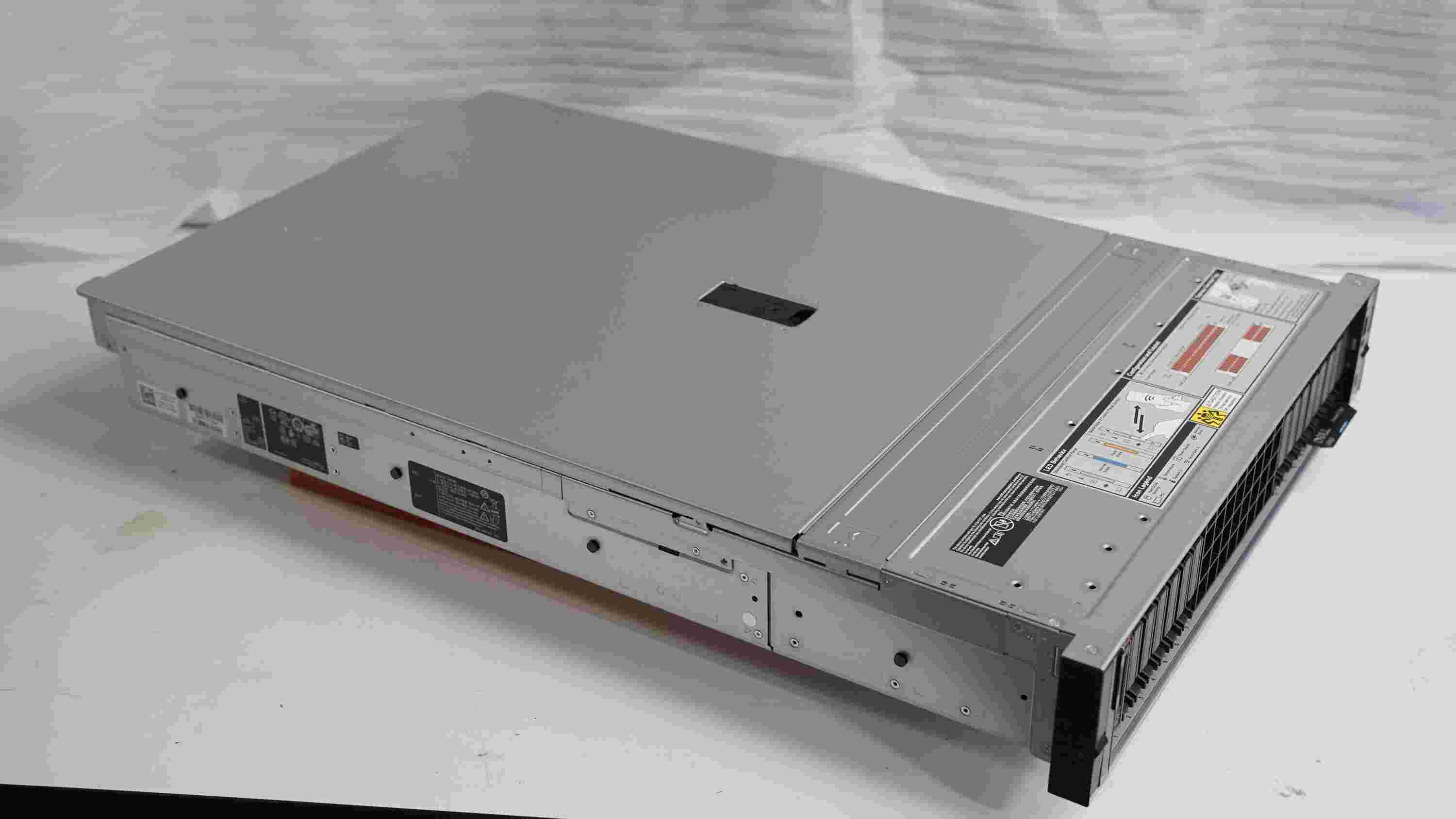
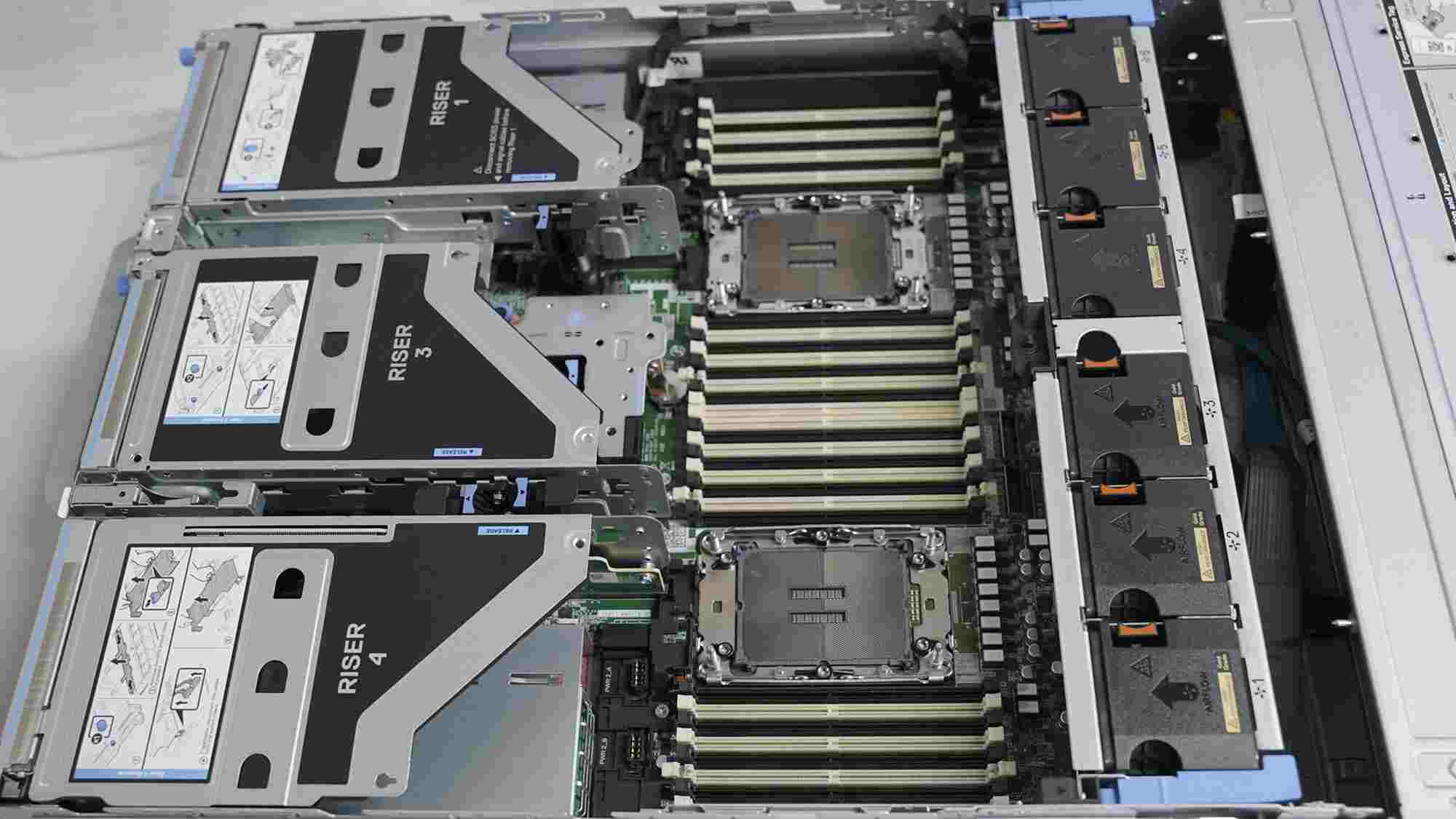
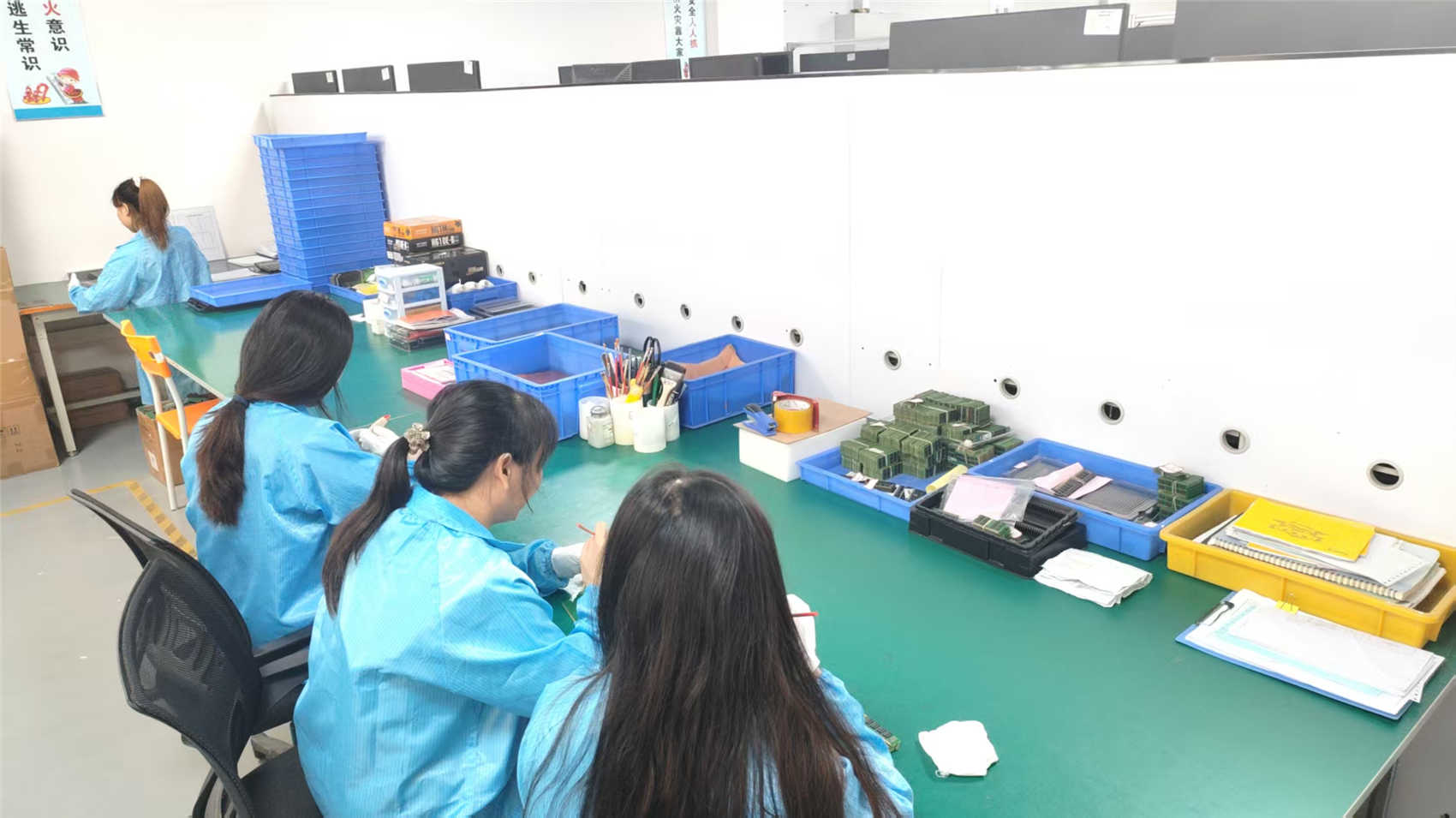
Optimized components configured to support the high computational and thermal demands of commercial-grade UV sanitizers across Poland.
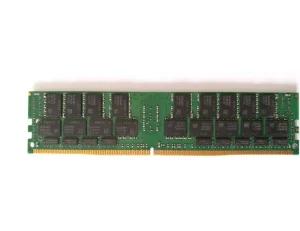
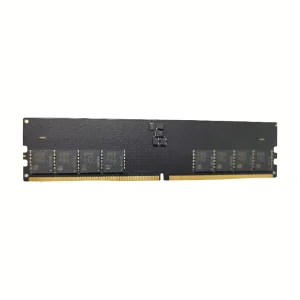
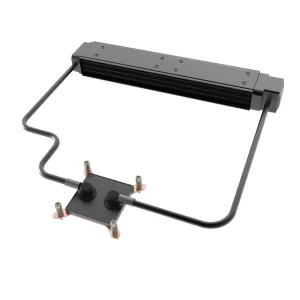
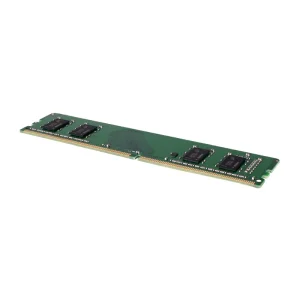
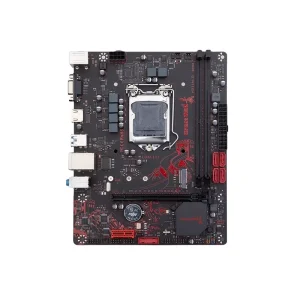
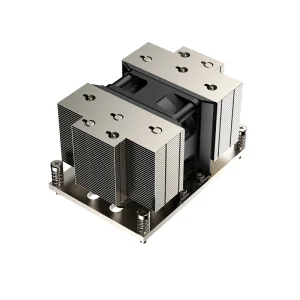
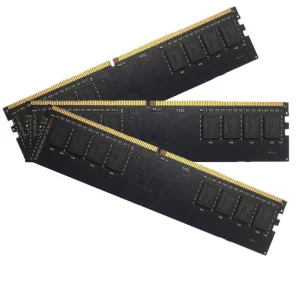
Industrial memory models and processing hardware configured to support complex logic systems in clinical and commercial applications.
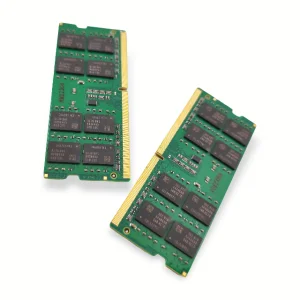
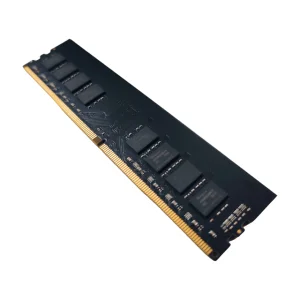
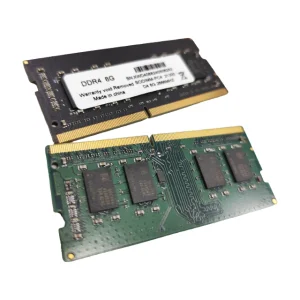
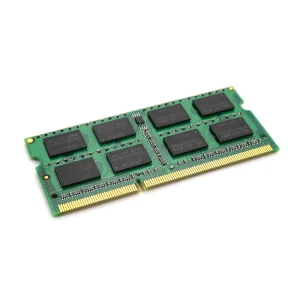
Navigating the complex regulatory framework of the European Union is a major priority for system integrators in Warsaw, Gdańsk, and Katowice. When introducing UVC LED light engines or control modules into industrial sanitizers or household goods, compliance with the following standards is mandatory:
At VoltDRAM, our strong international trade network guarantees efficient door-to-door customs clearance into Poland. Whether shipping to logistics hubs in Poznań, Łódź, or Warsaw, we utilize optimized distribution networks to bypass common supply chain delays. In addition, our close partnerships with local Polish engineering companies allow us to offer localized technical support and fast prototyping services, reducing time-to-market for custom UVC projects.
Our components are integrated into specialized Polish applications including:
UVC arrays are integrated into conveyors to sanitize packaging materials and raw poultry/produce in Wielkopolska and Mazovia farms, preventing mold and extended preservation.
High-output flow-through UVC modules are installed at local breweries and pharmaceutical plants to eliminate biofilm without chemical additives.
Precision electronic controllers power smart medical cabinet sanitizers in hospitals across Warsaw and Kraków, keeping surgical instruments aseptic.
How our legacy in high-volume, high-reliability memory modules and circuit fabrication powers modern disinfection technologies.
VoltDRAM Semiconductor’s background in DDR5 architectures, complex multi-layer PCB design, and advanced thermal cooling models provides a unique technical foundation for UVC LED control. Modern germicidal applications are no longer simple "on/off" systems; they are smart IoT devices that require real-time disinfection data, power tracking, and automatic safety shutdowns.
For example, a municipal water disinfection facility in Wrocław requires hundreds of UVC emitters operating simultaneously. If one emitter fails, or if the water turbidity changes, the system needs to adjust power outputs instantly. This requires real-time calculation and log writing, facilitated by high-reliability memory modules (such as our ECC DDR4/DDR5 ranges) paired with advanced thermal dissipation structures (our custom heat pipe assemblies and active cooling systems).
Our factory utilizes advanced Automated Optical Inspection (AOI) and reliability stress testing to verify that every component, controller, and custom circuit design meets the high standards required for critical infrastructure deployment.
Get answers to critical technical, regulatory, and logistics questions about deploying UVC control modules in the Polish market.
UVC LEDs generate significant localized heat, which must be rapidly dissipated to prevent wavelength shifts and early device failure. In cold storage or refrigeration systems (like those manufactured by Poland's top home appliance brands), dynamic temperature fluctuations can lead to condensation and thermal stress. Using optimized copper/aluminum heat sinks and double-sided PCBs ensures the junction temperature remains constant, preserving germicidal efficacy.
The Minamata Convention enforces a gradual ban on mercury-containing products, including traditional low-pressure mercury lamps used for water and surface treatment. Polish municipal facilities must upgrade to solid-state UV (UVC LED) technologies, which eliminate hazardous mercury, reduce warmup times, and allow for smart duty-cycle controls, resulting in significant energy savings.
The ideal wavelength range is between 260nm and 280nm, with the absolute germicidal peak around 265nm. This wavelength disrupts the base pairing of DNA/RNA, rendering viruses, bacteria, and mold spores unable to replicate. Our modules are specifically designed to target this spectral range, providing reliable disinfection in moving air streams.
Yes. Modern large-scale disinfection facilities require complex edge-computing gateways to monitor water quality parameters, adjust driver current, log operational data, and communicate with SCADA networks. Industrial-grade DDR4 or DDR5 ECC modules ensure these data gateways operate without data corruption under continuous 24/7 operating cycles.
Exporting to Poland requires meeting standard European CE directives. Key compliance points include the Low Voltage Directive (LVD) 2014/35/EU, the Electromagnetic Compatibility (EMC) Directive 2014/30/EU, and the EN 62471 photobiological safety standard to classify the UV hazard level. All our component systems are manufactured in compliance with RoHS and CE standards.
We offer full custom engineering services, starting with custom PCB schematic design, thermal simulation analysis, structural layout design, and driver control programming. Our engineering team, consisting of 60 to 300 experienced engineers, works directly with your technical team to deliver customized, production-ready modules tailored to your application's physical space and power parameters.
Get in touch with our technical sales team for comprehensive documentation, customized PCB layouts, thermal performance simulations, and price quotes optimized for your target applications in the Poland market.